
Bonn
Helmut-Kohl-Allee 4, 53113 Bonn, Deutschland
Bundeskunsthalle Bonn | Exhibitions & Opening Hours
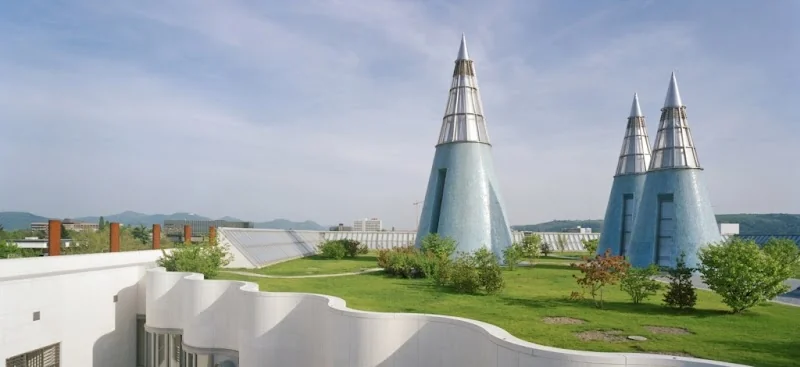
The Bundeskunsthalle in Bonn is much more than just an exhibition venue: it is a nationally renowned house for art, culture, and science, which has been one of the most prominent addresses on the museum mile since its opening in 1992. The building was designed by Gustav Peichl and conceived as an art and exhibition hall of the Federal Republic of Germany; even the architecture makes it clear that this is a place not only for display but also for staging, mediation, and discussion. Therefore, visitors to the Bundeskunsthalle always experience two levels at once: the current exhibition and the unique character of a house that, with its rooftop garden, forum, library, museum shop, and restaurant GUSTAV, forms a complete cultural venue. Especially for visitors looking for “Bundeskunsthalle Bonn today” or “Bundeskunsthalle Bonn exhibitions,” the house is a reliable first address due to its changing program and clear visitor structure. ([bundeskunsthalle.de](https://www.bundeskunsthalle.de/en/about-us?utm_source=openai))
The Bundeskunsthalle is located at Helmut-Kohl-Allee 4 in 53113 Bonn, directly at the UN campus and in close proximity to the museum mile. This location is particularly convenient for visitors because it combines central access, good public transport connections, and a large number of parking options. At the same time, the Bundeskunsthalle is a house with a profile: it combines changing large exhibitions with events, lectures, guided tours, and a discursive program. That is why the location frequently appears in search queries related to exhibitions, opening hours, parking, photos, and current events. Those who come here are not only looking for a museum visit but often a complete cultural experience with clear opening hours, good infrastructure, and a strong visual presence. ([bundeskunsthalle.de](https://www.bundeskunsthalle.de/kontakt?utm_source=openai))
Current Exhibitions 2026: Amazônia, SEX WORK and the Annual Program
The exhibition year 2026 at the Bundeskunsthalle is themed “What We Have in Common.” This shifts the focus deliberately to questions of social cohesion, cultural exchange, and responsibility. This is reflected in a program that brings together very different themes: indigenous perspectives from the Amazon, the cultural history of sex work, art in public space, memory culture, and international positions from Latin America. The strong connection is less about a single style and more about the question of how art makes social relationships visible and what forms of togetherness are possible in a diverse society. Therefore, those searching for “Bundeskunsthalle Bonn current exhibition” or “Bundeskunsthalle exhibitions 2026” will find not a narrow thematic spectrum but a deliberately curated diversity. ([bundeskunsthalle.de](https://www.bundeskunsthalle.de/en/exhibitions/?utm_source=openai))
Key exhibitions include Amazônia. Indigenous Worlds from March 13 to August 9, 2026, and SEX WORK. A Cultural History from April 2 to October 25, 2026. Amazônia tells the region from indigenous perspectives and understands the Amazon not as an exotic landscape but as a cultural and social space where environment, community, tradition, and present intertwine. SEX WORK approaches the topic together with a collective of researching sex workers and connects art, cultural history, and archival material with a clear political claim. The program is complemented by Interactions 2026 from May 1 to November 1, 2026, which stages artworks and performances in outdoor and public indoor spaces. Additionally, Vanguardistas. 100 Years of Latin American Women Artists is scheduled for later in the year from December 4, 2026, to March 29, 2027. ([bundeskunsthalle.de](https://www.bundeskunsthalle.de/en/amazonia?utm_source=openai))
The direct look back is also interesting for many visitors, as it clearly shows the thematic breadth of the house. With Expedition Oceans, a large cultural-historical and immersive exhibition about the oceans, their potential as climate regulators, their role as habitats, and the surprisingly low exploration of their depths ran from October 2, 2025, to April 6, 2026. This exhibition fits well with the program line of the Bundeskunsthalle, which brings together scientific perspectives, mediation, and aesthetic experience. Those searching for “Bundeskunsthalle Oceans” or “Bundeskunsthalle Expedition Oceans” will find an important component of the recent program. From an SEO perspective, these themes are relevant because they show that the Bundeskunsthalle is not just a place for a single exhibition but a curated annual operation with a recognizable profile. ([bundeskunsthalle.de](https://www.bundeskunsthalle.de/weltmeere?utm_source=openai))
Bundeskunsthalle Bonn today: Opening Hours, Tickets, and Planning Your Visit
Anyone wishing to visit the Bundeskunsthalle today should know the opening hours precisely, as the house operates with a clear weekly rhythm. It is generally closed on Mondays, open on Tuesdays from 10 AM to 6 PM, Wednesdays from 10 AM to 9 PM, and from Thursday to Sunday as well as on public holidays from 10 AM to 6 PM; on public holidays, Monday may also be open. The ticket office closes half an hour before the end of opening hours, which is important for planning the visit. For search queries such as “Bundeskunsthalle Bonn opening hours” or “Bundeskunsthalle opening hours,” these are the crucial pieces of information, as they quickly show whether a spontaneous visit on the same day makes sense. The long Wednesday until 9 PM is particularly attractive for those who want to see an exhibition after work. ([bundeskunsthalle.de](https://www.bundeskunsthalle.de/besuch-planen?utm_source=openai))
The Bundeskunsthalle is also transparent regarding tickets. A day ticket costs 14 euros, reduced 7 euros; for groups of 10 or more, tickets are available for 11.20 euros per person, and a happy hour ticket is available one hour before closing for 7 euros. Children and young people up to and including 18 years have free admission. Additionally, the house offers free admission on selected days, such as during the Museum Mile Festival on June 6 and 7, 2026, and on German Unity Day on October 3, 2026. Useful for the stay: The opening hours of the restaurant GUSTAV are aligned with those of the Bundeskunsthalle, and the library and salon are publicly accessible at their own times. So, those searching for “Bundeskunsthalle Bonn today” will find not only exhibitions but a complete visitor experience with gastronomy, reading room, and service offerings. ([bundeskunsthalle.de](https://www.bundeskunsthalle.de/besuch-planen?utm_source=openai))
It is also practical that the Bundeskunsthalle offers several access points to information before one even arrives on site. The website provides clear telephone contacts, points out the ticket office closing time, and makes additional offers such as annual tickets and combined tickets visible. This overview of current exhibitions, day tickets, and barrier-free access is particularly helpful for visitors who want to come on short notice. This explains why search queries with the terms “today,” “opening hours,” and “tickets” are so frequently associated with the Bundeskunsthalle: the house is large, thematically dense, and best planned with a quick pre-check. Those who plan their time window well can even combine several exhibitions, the rooftop garden, the café, and the museum shop on a visit day. ([bundeskunsthalle.de](https://www.bundeskunsthalle.de/besuch-planen?utm_source=openai))
Parking and Accessing Bundeskunsthalle Bonn: The Practical Side of the Visit
A significant advantage of the Bundeskunsthalle is its good accessibility by car and public transport. Directly nearby is a parking garage at Emil-Nolde-Straße 11 with 535 parking spaces. Additionally, the house mentions further parking options at the museum square, at the taxi ranks on Helmut-Kohl-Allee, and in the paid parking garage on Joseph-Beuys-Allee, which is about 250 meters away. For the search terms “Bundeskunsthalle Bonn parking” and “Bundeskunsthalle parking,” this information is particularly relevant as it not only confirms the existence of parking spaces but also the concrete spatial proximity to the entrance. Visitors can thus assess in advance whether they want to park directly at the house or prefer one of the surrounding parking areas. ([bundeskunsthalle.de](https://www.bundeskunsthalle.de/besuch-planen?utm_source=openai))
Public transport is also very convenient: At the subway station Museumsmeile/Heussallee, one can reach the street level via an elevator, and from there it is about 150 meters to the main entrance. This makes the journey uncomplicated for many guests, especially if they are coming from Bonn city center or the main train station. For persons with mobility impairments, there are additional advantages, such as barrier-free access via a ramp and the possibility to use wheelchair-accessible paths and elevators. The combination of parking garage, public transport connection, and clear signage is a significant reason why the Bundeskunsthalle is in high demand not only among cultural audiences but also among organizers and groups. Those planning a visit should keep the parking garage at Emil-Nolde-Straße and the access via Museumsmeile/Heussallee in mind as two reliable anchor points. ([bundeskunsthalle.de](https://www.bundeskunsthalle.de/en/visit/accessibility?utm_source=openai))
Especially for highly demanded exhibitions or evening events, it is worth taking a quick look at the time of day and possible peak times. Since the Bundeskunsthalle is open until 9 PM on Wednesdays, more visitors may be present in the house and parking garage around early evening. Therefore, those who want to keep their journey relaxed benefit from arriving a bit earlier or choosing public transport. This is not just a comfort point but a real SEO and user factor: Terms like “Bundeskunsthalle Bonn parking” or “access Bundeskunsthalle” are almost always directly related to practical decisions on site. Here, the house provides relevant answers very clearly and concretely. ([bundeskunsthalle.de](https://www.bundeskunsthalle.de/besuch-planen?utm_source=openai))
History and Architecture: From the Foundation Stone to Bonn's Landmark
The Bundeskunsthalle is not just an exhibition house but an architectural statement. The foundation stone for the building was laid on October 17, 1989, by Chancellor Helmut Kohl; the topping-out ceremony followed on September 12, 1990, the handover to the user on May 4, 1992, and the opening on June 19, 1992. The house was designed by the Viennese architect Gustav Peichl, with project management by Martin Kohlbauer, and the construction costs amounted to 127 million DM. These key figures already show that the Bundeskunsthalle was endowed with high symbolic significance from the very beginning as a national cultural project. Therefore, those searching for “Bundeskunsthalle Bonn photos” will not only encounter exhibition images but also a widely recognizable architecture that is still perceived as a Bonn landmark today. ([bundeskunsthalle.de](https://www.bundeskunsthalle.de/en/about-us?utm_source=openai))
The official self-presentation describes the Bundeskunsthalle as a unique place for art, culture, and science, which serves nationally and internationally as a showcase for an open understanding of culture. The location is also important for this: the house stands on the former “diplomatic racetrack” or the site of the former diplomatic axis, thereby elegantly marking the urban development of Bonn's government district. Particularly defining is the mix of functional interior and poetic exterior effect, which the jury already highlighted in the 1980s. In practice, this means that visitors not only enter an exhibition but also a building with a clear stance and strong identity. This combination of content and form makes the Bundeskunsthalle a place that works just as well in photos as it does in real experiences. ([bundeskunsthalle.de](https://www.bundeskunsthalle.de/en/about-us?utm_source=openai))
The history of the house also explains why it can be used so diversely today. The original conception already combined exhibition, mediation, events, and public quality of stay. Therefore, today the library, museum shop, restaurant, and rooftop garden are not mere additional offerings but part of the overall concept. The house is thus not only a destination for a quick museum visit but for longer stays, reading, discussing, and strolling. Those interested in the architectural side will experience at the Bundeskunsthalle an example of how a cultural institution can remain relevant over decades without losing its profile. This is what makes the location in Bonn so strong and explains the constant demand for its history, its photos, and its peculiarities. ([bundeskunsthalle.de](https://www.bundeskunsthalle.de/en/about-us?utm_source=openai))
Rooms, Capacity, and Event Location: Why the Bundeskunsthalle Also Impresses for Events
As an event location, the Bundeskunsthalle is surprisingly powerful and significantly more versatile than many visitors expect. On a total area of 2600 square meters, multifunctional rooms with the latest technology are available, suitable for conferences, meetings, receptions, and high-quality cultural formats. The central forum is designed as an auditorium and offers 300 fixed seats, with additional seating even up to 500 seats. It is complemented by a lounge with up to 70 seats and a conference room with up to 35 seats. For organizers, this mix of size, technology, and atmosphere is particularly attractive because it combines classic conference rooms with the character of a renowned cultural house. That is why search queries for “capacity,” “room plan,” or event spaces fit so well with the Bundeskunsthalle. ([bundeskunsthalle.de](https://www.bundeskunsthalle.de/vermietung?utm_source=openai))
The great advantage lies not only in the size of the rooms but also in the staging possibilities. The forum has extensive technical equipment with lighting, sound, and video technology, interpreter booths, and a digital network. For events, there is also a spacious foyer, the green rooftop garden with a view of the Rhine Valley, and the museum square as a representative setting. This combination of indoor and outdoor spaces makes the Bundeskunsthalle an exceptional address for business events, cultural events, and exclusive receptions. The sustainability concept is also part of the offering: green electricity, LED technology, resource-saving gastronomy, and reusable components play an important role. For companies, institutions, and cultural partners, this creates a place that functions professionally and is credibly positioned in a contemporary manner. ([bundeskunsthalle.de](https://www.bundeskunsthalle.de/vermietung?utm_source=openai))
In the search logic surrounding “Bundeskunsthalle Bonn,” this event character is important because the house is perceived not only as a museum but also as a versatile event address. The forum is large enough for an audience in the mid-three-digit range, the lounge is suitable for smaller formats, and the conference room provides the necessary quiet for confidential meetings or press appointments. This positions the Bundeskunsthalle between a cultural institution and a premium location. Therefore, those looking for a location with a clear address, good technical standards, and high visibility will find here an above-average flexible solution. ([bundeskunsthalle.de](https://www.bundeskunsthalle.de/vermietung?utm_source=openai))
Photos, Rooftop Garden, and Practical Visitor Tips for a Strong First Impression
The Bundeskunsthalle is also visually a very grateful motif. The striking architecture, the spacious foyer, the museum square, and the green rooftop garden already provide strong image motifs that work well in public. For search queries like “Bundeskunsthalle photos,” this is important because the place has high visual recognizability both inside and outside. Additionally, special perspectives such as the view from the rooftop garden over the Rhine Valley or the clear design language of the building, which creates new motifs in interplay with current exhibition posters and installations, are noteworthy. Those using social media for their cultural visit will also find hints on the official exhibition level for sharing photos and using appropriate hashtags. This way, the visit is not only experienced but also photographed. ([bundeskunsthalle.de](https://www.bundeskunsthalle.de/en/amazonia?utm_source=openai))
Practical tips make the visit more pleasant and help to fully utilize the offerings. Those interested in a large exhibition should plan enough time, as the Bundeskunsthalle works with changing focuses and a high thematic density. Especially Wednesday evening until 9 PM is attractive if one wants to experience exhibitions in a quieter atmosphere. It is also worth considering the additional offerings: the library is publicly and freely accessible, the salon is as well, and the restaurant GUSTAV is aligned with the house's opening hours. This makes it easy to turn a museum visit into a longer stay that combines art, breaks, and orientation. For many visitors, this is precisely why the Bundeskunsthalle in Bonn is in such high demand: it is quickly accessible, thematically versatile, and yet easy to plan in everyday life. ([bundeskunsthalle.de](https://www.bundeskunsthalle.de/besuch-planen?utm_source=openai))
Those preparing for the visit should remember three things: the opening hours, the parking situation, and the current exhibitions. With this triad, the Bundeskunsthalle can be visited without stress, whether one wants to see just one exhibition, photograph the rooftop garden, or attend an event at the location. Especially with topics like “Bundeskunsthalle Bonn today,” “Bundeskunsthalle parking,” or “Bundeskunsthalle exhibitions,” it becomes clear how closely practical planning and thematic curiosity are connected here. The Bundeskunsthalle rewards this preparation with a very complete cultural venue that cleverly combines exhibition, architecture, infrastructure, and services. ([bundeskunsthalle.de](https://www.bundeskunsthalle.de/besuch-planen?utm_source=openai))
Sources:
Show moreShow less
Bundeskunsthalle Bonn | Exhibitions & Opening Hours
The Bundeskunsthalle in Bonn is much more than just an exhibition venue: it is a nationally renowned house for art, culture, and science, which has been one of the most prominent addresses on the museum mile since its opening in 1992. The building was designed by Gustav Peichl and conceived as an art and exhibition hall of the Federal Republic of Germany; even the architecture makes it clear that this is a place not only for display but also for staging, mediation, and discussion. Therefore, visitors to the Bundeskunsthalle always experience two levels at once: the current exhibition and the unique character of a house that, with its rooftop garden, forum, library, museum shop, and restaurant GUSTAV, forms a complete cultural venue. Especially for visitors looking for “Bundeskunsthalle Bonn today” or “Bundeskunsthalle Bonn exhibitions,” the house is a reliable first address due to its changing program and clear visitor structure. ([bundeskunsthalle.de](https://www.bundeskunsthalle.de/en/about-us?utm_source=openai))
The Bundeskunsthalle is located at Helmut-Kohl-Allee 4 in 53113 Bonn, directly at the UN campus and in close proximity to the museum mile. This location is particularly convenient for visitors because it combines central access, good public transport connections, and a large number of parking options. At the same time, the Bundeskunsthalle is a house with a profile: it combines changing large exhibitions with events, lectures, guided tours, and a discursive program. That is why the location frequently appears in search queries related to exhibitions, opening hours, parking, photos, and current events. Those who come here are not only looking for a museum visit but often a complete cultural experience with clear opening hours, good infrastructure, and a strong visual presence. ([bundeskunsthalle.de](https://www.bundeskunsthalle.de/kontakt?utm_source=openai))
Current Exhibitions 2026: Amazônia, SEX WORK and the Annual Program
The exhibition year 2026 at the Bundeskunsthalle is themed “What We Have in Common.” This shifts the focus deliberately to questions of social cohesion, cultural exchange, and responsibility. This is reflected in a program that brings together very different themes: indigenous perspectives from the Amazon, the cultural history of sex work, art in public space, memory culture, and international positions from Latin America. The strong connection is less about a single style and more about the question of how art makes social relationships visible and what forms of togetherness are possible in a diverse society. Therefore, those searching for “Bundeskunsthalle Bonn current exhibition” or “Bundeskunsthalle exhibitions 2026” will find not a narrow thematic spectrum but a deliberately curated diversity. ([bundeskunsthalle.de](https://www.bundeskunsthalle.de/en/exhibitions/?utm_source=openai))
Key exhibitions include Amazônia. Indigenous Worlds from March 13 to August 9, 2026, and SEX WORK. A Cultural History from April 2 to October 25, 2026. Amazônia tells the region from indigenous perspectives and understands the Amazon not as an exotic landscape but as a cultural and social space where environment, community, tradition, and present intertwine. SEX WORK approaches the topic together with a collective of researching sex workers and connects art, cultural history, and archival material with a clear political claim. The program is complemented by Interactions 2026 from May 1 to November 1, 2026, which stages artworks and performances in outdoor and public indoor spaces. Additionally, Vanguardistas. 100 Years of Latin American Women Artists is scheduled for later in the year from December 4, 2026, to March 29, 2027. ([bundeskunsthalle.de](https://www.bundeskunsthalle.de/en/amazonia?utm_source=openai))
The direct look back is also interesting for many visitors, as it clearly shows the thematic breadth of the house. With Expedition Oceans, a large cultural-historical and immersive exhibition about the oceans, their potential as climate regulators, their role as habitats, and the surprisingly low exploration of their depths ran from October 2, 2025, to April 6, 2026. This exhibition fits well with the program line of the Bundeskunsthalle, which brings together scientific perspectives, mediation, and aesthetic experience. Those searching for “Bundeskunsthalle Oceans” or “Bundeskunsthalle Expedition Oceans” will find an important component of the recent program. From an SEO perspective, these themes are relevant because they show that the Bundeskunsthalle is not just a place for a single exhibition but a curated annual operation with a recognizable profile. ([bundeskunsthalle.de](https://www.bundeskunsthalle.de/weltmeere?utm_source=openai))
Bundeskunsthalle Bonn today: Opening Hours, Tickets, and Planning Your Visit
Anyone wishing to visit the Bundeskunsthalle today should know the opening hours precisely, as the house operates with a clear weekly rhythm. It is generally closed on Mondays, open on Tuesdays from 10 AM to 6 PM, Wednesdays from 10 AM to 9 PM, and from Thursday to Sunday as well as on public holidays from 10 AM to 6 PM; on public holidays, Monday may also be open. The ticket office closes half an hour before the end of opening hours, which is important for planning the visit. For search queries such as “Bundeskunsthalle Bonn opening hours” or “Bundeskunsthalle opening hours,” these are the crucial pieces of information, as they quickly show whether a spontaneous visit on the same day makes sense. The long Wednesday until 9 PM is particularly attractive for those who want to see an exhibition after work. ([bundeskunsthalle.de](https://www.bundeskunsthalle.de/besuch-planen?utm_source=openai))
The Bundeskunsthalle is also transparent regarding tickets. A day ticket costs 14 euros, reduced 7 euros; for groups of 10 or more, tickets are available for 11.20 euros per person, and a happy hour ticket is available one hour before closing for 7 euros. Children and young people up to and including 18 years have free admission. Additionally, the house offers free admission on selected days, such as during the Museum Mile Festival on June 6 and 7, 2026, and on German Unity Day on October 3, 2026. Useful for the stay: The opening hours of the restaurant GUSTAV are aligned with those of the Bundeskunsthalle, and the library and salon are publicly accessible at their own times. So, those searching for “Bundeskunsthalle Bonn today” will find not only exhibitions but a complete visitor experience with gastronomy, reading room, and service offerings. ([bundeskunsthalle.de](https://www.bundeskunsthalle.de/besuch-planen?utm_source=openai))
It is also practical that the Bundeskunsthalle offers several access points to information before one even arrives on site. The website provides clear telephone contacts, points out the ticket office closing time, and makes additional offers such as annual tickets and combined tickets visible. This overview of current exhibitions, day tickets, and barrier-free access is particularly helpful for visitors who want to come on short notice. This explains why search queries with the terms “today,” “opening hours,” and “tickets” are so frequently associated with the Bundeskunsthalle: the house is large, thematically dense, and best planned with a quick pre-check. Those who plan their time window well can even combine several exhibitions, the rooftop garden, the café, and the museum shop on a visit day. ([bundeskunsthalle.de](https://www.bundeskunsthalle.de/besuch-planen?utm_source=openai))
Parking and Accessing Bundeskunsthalle Bonn: The Practical Side of the Visit
A significant advantage of the Bundeskunsthalle is its good accessibility by car and public transport. Directly nearby is a parking garage at Emil-Nolde-Straße 11 with 535 parking spaces. Additionally, the house mentions further parking options at the museum square, at the taxi ranks on Helmut-Kohl-Allee, and in the paid parking garage on Joseph-Beuys-Allee, which is about 250 meters away. For the search terms “Bundeskunsthalle Bonn parking” and “Bundeskunsthalle parking,” this information is particularly relevant as it not only confirms the existence of parking spaces but also the concrete spatial proximity to the entrance. Visitors can thus assess in advance whether they want to park directly at the house or prefer one of the surrounding parking areas. ([bundeskunsthalle.de](https://www.bundeskunsthalle.de/besuch-planen?utm_source=openai))
Public transport is also very convenient: At the subway station Museumsmeile/Heussallee, one can reach the street level via an elevator, and from there it is about 150 meters to the main entrance. This makes the journey uncomplicated for many guests, especially if they are coming from Bonn city center or the main train station. For persons with mobility impairments, there are additional advantages, such as barrier-free access via a ramp and the possibility to use wheelchair-accessible paths and elevators. The combination of parking garage, public transport connection, and clear signage is a significant reason why the Bundeskunsthalle is in high demand not only among cultural audiences but also among organizers and groups. Those planning a visit should keep the parking garage at Emil-Nolde-Straße and the access via Museumsmeile/Heussallee in mind as two reliable anchor points. ([bundeskunsthalle.de](https://www.bundeskunsthalle.de/en/visit/accessibility?utm_source=openai))
Especially for highly demanded exhibitions or evening events, it is worth taking a quick look at the time of day and possible peak times. Since the Bundeskunsthalle is open until 9 PM on Wednesdays, more visitors may be present in the house and parking garage around early evening. Therefore, those who want to keep their journey relaxed benefit from arriving a bit earlier or choosing public transport. This is not just a comfort point but a real SEO and user factor: Terms like “Bundeskunsthalle Bonn parking” or “access Bundeskunsthalle” are almost always directly related to practical decisions on site. Here, the house provides relevant answers very clearly and concretely. ([bundeskunsthalle.de](https://www.bundeskunsthalle.de/besuch-planen?utm_source=openai))
History and Architecture: From the Foundation Stone to Bonn's Landmark
The Bundeskunsthalle is not just an exhibition house but an architectural statement. The foundation stone for the building was laid on October 17, 1989, by Chancellor Helmut Kohl; the topping-out ceremony followed on September 12, 1990, the handover to the user on May 4, 1992, and the opening on June 19, 1992. The house was designed by the Viennese architect Gustav Peichl, with project management by Martin Kohlbauer, and the construction costs amounted to 127 million DM. These key figures already show that the Bundeskunsthalle was endowed with high symbolic significance from the very beginning as a national cultural project. Therefore, those searching for “Bundeskunsthalle Bonn photos” will not only encounter exhibition images but also a widely recognizable architecture that is still perceived as a Bonn landmark today. ([bundeskunsthalle.de](https://www.bundeskunsthalle.de/en/about-us?utm_source=openai))
The official self-presentation describes the Bundeskunsthalle as a unique place for art, culture, and science, which serves nationally and internationally as a showcase for an open understanding of culture. The location is also important for this: the house stands on the former “diplomatic racetrack” or the site of the former diplomatic axis, thereby elegantly marking the urban development of Bonn's government district. Particularly defining is the mix of functional interior and poetic exterior effect, which the jury already highlighted in the 1980s. In practice, this means that visitors not only enter an exhibition but also a building with a clear stance and strong identity. This combination of content and form makes the Bundeskunsthalle a place that works just as well in photos as it does in real experiences. ([bundeskunsthalle.de](https://www.bundeskunsthalle.de/en/about-us?utm_source=openai))
The history of the house also explains why it can be used so diversely today. The original conception already combined exhibition, mediation, events, and public quality of stay. Therefore, today the library, museum shop, restaurant, and rooftop garden are not mere additional offerings but part of the overall concept. The house is thus not only a destination for a quick museum visit but for longer stays, reading, discussing, and strolling. Those interested in the architectural side will experience at the Bundeskunsthalle an example of how a cultural institution can remain relevant over decades without losing its profile. This is what makes the location in Bonn so strong and explains the constant demand for its history, its photos, and its peculiarities. ([bundeskunsthalle.de](https://www.bundeskunsthalle.de/en/about-us?utm_source=openai))
Rooms, Capacity, and Event Location: Why the Bundeskunsthalle Also Impresses for Events
As an event location, the Bundeskunsthalle is surprisingly powerful and significantly more versatile than many visitors expect. On a total area of 2600 square meters, multifunctional rooms with the latest technology are available, suitable for conferences, meetings, receptions, and high-quality cultural formats. The central forum is designed as an auditorium and offers 300 fixed seats, with additional seating even up to 500 seats. It is complemented by a lounge with up to 70 seats and a conference room with up to 35 seats. For organizers, this mix of size, technology, and atmosphere is particularly attractive because it combines classic conference rooms with the character of a renowned cultural house. That is why search queries for “capacity,” “room plan,” or event spaces fit so well with the Bundeskunsthalle. ([bundeskunsthalle.de](https://www.bundeskunsthalle.de/vermietung?utm_source=openai))
The great advantage lies not only in the size of the rooms but also in the staging possibilities. The forum has extensive technical equipment with lighting, sound, and video technology, interpreter booths, and a digital network. For events, there is also a spacious foyer, the green rooftop garden with a view of the Rhine Valley, and the museum square as a representative setting. This combination of indoor and outdoor spaces makes the Bundeskunsthalle an exceptional address for business events, cultural events, and exclusive receptions. The sustainability concept is also part of the offering: green electricity, LED technology, resource-saving gastronomy, and reusable components play an important role. For companies, institutions, and cultural partners, this creates a place that functions professionally and is credibly positioned in a contemporary manner. ([bundeskunsthalle.de](https://www.bundeskunsthalle.de/vermietung?utm_source=openai))
In the search logic surrounding “Bundeskunsthalle Bonn,” this event character is important because the house is perceived not only as a museum but also as a versatile event address. The forum is large enough for an audience in the mid-three-digit range, the lounge is suitable for smaller formats, and the conference room provides the necessary quiet for confidential meetings or press appointments. This positions the Bundeskunsthalle between a cultural institution and a premium location. Therefore, those looking for a location with a clear address, good technical standards, and high visibility will find here an above-average flexible solution. ([bundeskunsthalle.de](https://www.bundeskunsthalle.de/vermietung?utm_source=openai))
Photos, Rooftop Garden, and Practical Visitor Tips for a Strong First Impression
The Bundeskunsthalle is also visually a very grateful motif. The striking architecture, the spacious foyer, the museum square, and the green rooftop garden already provide strong image motifs that work well in public. For search queries like “Bundeskunsthalle photos,” this is important because the place has high visual recognizability both inside and outside. Additionally, special perspectives such as the view from the rooftop garden over the Rhine Valley or the clear design language of the building, which creates new motifs in interplay with current exhibition posters and installations, are noteworthy. Those using social media for their cultural visit will also find hints on the official exhibition level for sharing photos and using appropriate hashtags. This way, the visit is not only experienced but also photographed. ([bundeskunsthalle.de](https://www.bundeskunsthalle.de/en/amazonia?utm_source=openai))
Practical tips make the visit more pleasant and help to fully utilize the offerings. Those interested in a large exhibition should plan enough time, as the Bundeskunsthalle works with changing focuses and a high thematic density. Especially Wednesday evening until 9 PM is attractive if one wants to experience exhibitions in a quieter atmosphere. It is also worth considering the additional offerings: the library is publicly and freely accessible, the salon is as well, and the restaurant GUSTAV is aligned with the house's opening hours. This makes it easy to turn a museum visit into a longer stay that combines art, breaks, and orientation. For many visitors, this is precisely why the Bundeskunsthalle in Bonn is in such high demand: it is quickly accessible, thematically versatile, and yet easy to plan in everyday life. ([bundeskunsthalle.de](https://www.bundeskunsthalle.de/besuch-planen?utm_source=openai))
Those preparing for the visit should remember three things: the opening hours, the parking situation, and the current exhibitions. With this triad, the Bundeskunsthalle can be visited without stress, whether one wants to see just one exhibition, photograph the rooftop garden, or attend an event at the location. Especially with topics like “Bundeskunsthalle Bonn today,” “Bundeskunsthalle parking,” or “Bundeskunsthalle exhibitions,” it becomes clear how closely practical planning and thematic curiosity are connected here. The Bundeskunsthalle rewards this preparation with a very complete cultural venue that cleverly combines exhibition, architecture, infrastructure, and services. ([bundeskunsthalle.de](https://www.bundeskunsthalle.de/besuch-planen?utm_source=openai))
Sources:
Bundeskunsthalle Bonn | Exhibitions & Opening Hours
The Bundeskunsthalle in Bonn is much more than just an exhibition venue: it is a nationally renowned house for art, culture, and science, which has been one of the most prominent addresses on the museum mile since its opening in 1992. The building was designed by Gustav Peichl and conceived as an art and exhibition hall of the Federal Republic of Germany; even the architecture makes it clear that this is a place not only for display but also for staging, mediation, and discussion. Therefore, visitors to the Bundeskunsthalle always experience two levels at once: the current exhibition and the unique character of a house that, with its rooftop garden, forum, library, museum shop, and restaurant GUSTAV, forms a complete cultural venue. Especially for visitors looking for “Bundeskunsthalle Bonn today” or “Bundeskunsthalle Bonn exhibitions,” the house is a reliable first address due to its changing program and clear visitor structure. ([bundeskunsthalle.de](https://www.bundeskunsthalle.de/en/about-us?utm_source=openai))
The Bundeskunsthalle is located at Helmut-Kohl-Allee 4 in 53113 Bonn, directly at the UN campus and in close proximity to the museum mile. This location is particularly convenient for visitors because it combines central access, good public transport connections, and a large number of parking options. At the same time, the Bundeskunsthalle is a house with a profile: it combines changing large exhibitions with events, lectures, guided tours, and a discursive program. That is why the location frequently appears in search queries related to exhibitions, opening hours, parking, photos, and current events. Those who come here are not only looking for a museum visit but often a complete cultural experience with clear opening hours, good infrastructure, and a strong visual presence. ([bundeskunsthalle.de](https://www.bundeskunsthalle.de/kontakt?utm_source=openai))
Current Exhibitions 2026: Amazônia, SEX WORK and the Annual Program
The exhibition year 2026 at the Bundeskunsthalle is themed “What We Have in Common.” This shifts the focus deliberately to questions of social cohesion, cultural exchange, and responsibility. This is reflected in a program that brings together very different themes: indigenous perspectives from the Amazon, the cultural history of sex work, art in public space, memory culture, and international positions from Latin America. The strong connection is less about a single style and more about the question of how art makes social relationships visible and what forms of togetherness are possible in a diverse society. Therefore, those searching for “Bundeskunsthalle Bonn current exhibition” or “Bundeskunsthalle exhibitions 2026” will find not a narrow thematic spectrum but a deliberately curated diversity. ([bundeskunsthalle.de](https://www.bundeskunsthalle.de/en/exhibitions/?utm_source=openai))
Key exhibitions include Amazônia. Indigenous Worlds from March 13 to August 9, 2026, and SEX WORK. A Cultural History from April 2 to October 25, 2026. Amazônia tells the region from indigenous perspectives and understands the Amazon not as an exotic landscape but as a cultural and social space where environment, community, tradition, and present intertwine. SEX WORK approaches the topic together with a collective of researching sex workers and connects art, cultural history, and archival material with a clear political claim. The program is complemented by Interactions 2026 from May 1 to November 1, 2026, which stages artworks and performances in outdoor and public indoor spaces. Additionally, Vanguardistas. 100 Years of Latin American Women Artists is scheduled for later in the year from December 4, 2026, to March 29, 2027. ([bundeskunsthalle.de](https://www.bundeskunsthalle.de/en/amazonia?utm_source=openai))
The direct look back is also interesting for many visitors, as it clearly shows the thematic breadth of the house. With Expedition Oceans, a large cultural-historical and immersive exhibition about the oceans, their potential as climate regulators, their role as habitats, and the surprisingly low exploration of their depths ran from October 2, 2025, to April 6, 2026. This exhibition fits well with the program line of the Bundeskunsthalle, which brings together scientific perspectives, mediation, and aesthetic experience. Those searching for “Bundeskunsthalle Oceans” or “Bundeskunsthalle Expedition Oceans” will find an important component of the recent program. From an SEO perspective, these themes are relevant because they show that the Bundeskunsthalle is not just a place for a single exhibition but a curated annual operation with a recognizable profile. ([bundeskunsthalle.de](https://www.bundeskunsthalle.de/weltmeere?utm_source=openai))
Bundeskunsthalle Bonn today: Opening Hours, Tickets, and Planning Your Visit
Anyone wishing to visit the Bundeskunsthalle today should know the opening hours precisely, as the house operates with a clear weekly rhythm. It is generally closed on Mondays, open on Tuesdays from 10 AM to 6 PM, Wednesdays from 10 AM to 9 PM, and from Thursday to Sunday as well as on public holidays from 10 AM to 6 PM; on public holidays, Monday may also be open. The ticket office closes half an hour before the end of opening hours, which is important for planning the visit. For search queries such as “Bundeskunsthalle Bonn opening hours” or “Bundeskunsthalle opening hours,” these are the crucial pieces of information, as they quickly show whether a spontaneous visit on the same day makes sense. The long Wednesday until 9 PM is particularly attractive for those who want to see an exhibition after work. ([bundeskunsthalle.de](https://www.bundeskunsthalle.de/besuch-planen?utm_source=openai))
The Bundeskunsthalle is also transparent regarding tickets. A day ticket costs 14 euros, reduced 7 euros; for groups of 10 or more, tickets are available for 11.20 euros per person, and a happy hour ticket is available one hour before closing for 7 euros. Children and young people up to and including 18 years have free admission. Additionally, the house offers free admission on selected days, such as during the Museum Mile Festival on June 6 and 7, 2026, and on German Unity Day on October 3, 2026. Useful for the stay: The opening hours of the restaurant GUSTAV are aligned with those of the Bundeskunsthalle, and the library and salon are publicly accessible at their own times. So, those searching for “Bundeskunsthalle Bonn today” will find not only exhibitions but a complete visitor experience with gastronomy, reading room, and service offerings. ([bundeskunsthalle.de](https://www.bundeskunsthalle.de/besuch-planen?utm_source=openai))
It is also practical that the Bundeskunsthalle offers several access points to information before one even arrives on site. The website provides clear telephone contacts, points out the ticket office closing time, and makes additional offers such as annual tickets and combined tickets visible. This overview of current exhibitions, day tickets, and barrier-free access is particularly helpful for visitors who want to come on short notice. This explains why search queries with the terms “today,” “opening hours,” and “tickets” are so frequently associated with the Bundeskunsthalle: the house is large, thematically dense, and best planned with a quick pre-check. Those who plan their time window well can even combine several exhibitions, the rooftop garden, the café, and the museum shop on a visit day. ([bundeskunsthalle.de](https://www.bundeskunsthalle.de/besuch-planen?utm_source=openai))
Parking and Accessing Bundeskunsthalle Bonn: The Practical Side of the Visit
A significant advantage of the Bundeskunsthalle is its good accessibility by car and public transport. Directly nearby is a parking garage at Emil-Nolde-Straße 11 with 535 parking spaces. Additionally, the house mentions further parking options at the museum square, at the taxi ranks on Helmut-Kohl-Allee, and in the paid parking garage on Joseph-Beuys-Allee, which is about 250 meters away. For the search terms “Bundeskunsthalle Bonn parking” and “Bundeskunsthalle parking,” this information is particularly relevant as it not only confirms the existence of parking spaces but also the concrete spatial proximity to the entrance. Visitors can thus assess in advance whether they want to park directly at the house or prefer one of the surrounding parking areas. ([bundeskunsthalle.de](https://www.bundeskunsthalle.de/besuch-planen?utm_source=openai))
Public transport is also very convenient: At the subway station Museumsmeile/Heussallee, one can reach the street level via an elevator, and from there it is about 150 meters to the main entrance. This makes the journey uncomplicated for many guests, especially if they are coming from Bonn city center or the main train station. For persons with mobility impairments, there are additional advantages, such as barrier-free access via a ramp and the possibility to use wheelchair-accessible paths and elevators. The combination of parking garage, public transport connection, and clear signage is a significant reason why the Bundeskunsthalle is in high demand not only among cultural audiences but also among organizers and groups. Those planning a visit should keep the parking garage at Emil-Nolde-Straße and the access via Museumsmeile/Heussallee in mind as two reliable anchor points. ([bundeskunsthalle.de](https://www.bundeskunsthalle.de/en/visit/accessibility?utm_source=openai))
Especially for highly demanded exhibitions or evening events, it is worth taking a quick look at the time of day and possible peak times. Since the Bundeskunsthalle is open until 9 PM on Wednesdays, more visitors may be present in the house and parking garage around early evening. Therefore, those who want to keep their journey relaxed benefit from arriving a bit earlier or choosing public transport. This is not just a comfort point but a real SEO and user factor: Terms like “Bundeskunsthalle Bonn parking” or “access Bundeskunsthalle” are almost always directly related to practical decisions on site. Here, the house provides relevant answers very clearly and concretely. ([bundeskunsthalle.de](https://www.bundeskunsthalle.de/besuch-planen?utm_source=openai))
History and Architecture: From the Foundation Stone to Bonn's Landmark
The Bundeskunsthalle is not just an exhibition house but an architectural statement. The foundation stone for the building was laid on October 17, 1989, by Chancellor Helmut Kohl; the topping-out ceremony followed on September 12, 1990, the handover to the user on May 4, 1992, and the opening on June 19, 1992. The house was designed by the Viennese architect Gustav Peichl, with project management by Martin Kohlbauer, and the construction costs amounted to 127 million DM. These key figures already show that the Bundeskunsthalle was endowed with high symbolic significance from the very beginning as a national cultural project. Therefore, those searching for “Bundeskunsthalle Bonn photos” will not only encounter exhibition images but also a widely recognizable architecture that is still perceived as a Bonn landmark today. ([bundeskunsthalle.de](https://www.bundeskunsthalle.de/en/about-us?utm_source=openai))
The official self-presentation describes the Bundeskunsthalle as a unique place for art, culture, and science, which serves nationally and internationally as a showcase for an open understanding of culture. The location is also important for this: the house stands on the former “diplomatic racetrack” or the site of the former diplomatic axis, thereby elegantly marking the urban development of Bonn's government district. Particularly defining is the mix of functional interior and poetic exterior effect, which the jury already highlighted in the 1980s. In practice, this means that visitors not only enter an exhibition but also a building with a clear stance and strong identity. This combination of content and form makes the Bundeskunsthalle a place that works just as well in photos as it does in real experiences. ([bundeskunsthalle.de](https://www.bundeskunsthalle.de/en/about-us?utm_source=openai))
The history of the house also explains why it can be used so diversely today. The original conception already combined exhibition, mediation, events, and public quality of stay. Therefore, today the library, museum shop, restaurant, and rooftop garden are not mere additional offerings but part of the overall concept. The house is thus not only a destination for a quick museum visit but for longer stays, reading, discussing, and strolling. Those interested in the architectural side will experience at the Bundeskunsthalle an example of how a cultural institution can remain relevant over decades without losing its profile. This is what makes the location in Bonn so strong and explains the constant demand for its history, its photos, and its peculiarities. ([bundeskunsthalle.de](https://www.bundeskunsthalle.de/en/about-us?utm_source=openai))
Rooms, Capacity, and Event Location: Why the Bundeskunsthalle Also Impresses for Events
As an event location, the Bundeskunsthalle is surprisingly powerful and significantly more versatile than many visitors expect. On a total area of 2600 square meters, multifunctional rooms with the latest technology are available, suitable for conferences, meetings, receptions, and high-quality cultural formats. The central forum is designed as an auditorium and offers 300 fixed seats, with additional seating even up to 500 seats. It is complemented by a lounge with up to 70 seats and a conference room with up to 35 seats. For organizers, this mix of size, technology, and atmosphere is particularly attractive because it combines classic conference rooms with the character of a renowned cultural house. That is why search queries for “capacity,” “room plan,” or event spaces fit so well with the Bundeskunsthalle. ([bundeskunsthalle.de](https://www.bundeskunsthalle.de/vermietung?utm_source=openai))
The great advantage lies not only in the size of the rooms but also in the staging possibilities. The forum has extensive technical equipment with lighting, sound, and video technology, interpreter booths, and a digital network. For events, there is also a spacious foyer, the green rooftop garden with a view of the Rhine Valley, and the museum square as a representative setting. This combination of indoor and outdoor spaces makes the Bundeskunsthalle an exceptional address for business events, cultural events, and exclusive receptions. The sustainability concept is also part of the offering: green electricity, LED technology, resource-saving gastronomy, and reusable components play an important role. For companies, institutions, and cultural partners, this creates a place that functions professionally and is credibly positioned in a contemporary manner. ([bundeskunsthalle.de](https://www.bundeskunsthalle.de/vermietung?utm_source=openai))
In the search logic surrounding “Bundeskunsthalle Bonn,” this event character is important because the house is perceived not only as a museum but also as a versatile event address. The forum is large enough for an audience in the mid-three-digit range, the lounge is suitable for smaller formats, and the conference room provides the necessary quiet for confidential meetings or press appointments. This positions the Bundeskunsthalle between a cultural institution and a premium location. Therefore, those looking for a location with a clear address, good technical standards, and high visibility will find here an above-average flexible solution. ([bundeskunsthalle.de](https://www.bundeskunsthalle.de/vermietung?utm_source=openai))
Photos, Rooftop Garden, and Practical Visitor Tips for a Strong First Impression
The Bundeskunsthalle is also visually a very grateful motif. The striking architecture, the spacious foyer, the museum square, and the green rooftop garden already provide strong image motifs that work well in public. For search queries like “Bundeskunsthalle photos,” this is important because the place has high visual recognizability both inside and outside. Additionally, special perspectives such as the view from the rooftop garden over the Rhine Valley or the clear design language of the building, which creates new motifs in interplay with current exhibition posters and installations, are noteworthy. Those using social media for their cultural visit will also find hints on the official exhibition level for sharing photos and using appropriate hashtags. This way, the visit is not only experienced but also photographed. ([bundeskunsthalle.de](https://www.bundeskunsthalle.de/en/amazonia?utm_source=openai))
Practical tips make the visit more pleasant and help to fully utilize the offerings. Those interested in a large exhibition should plan enough time, as the Bundeskunsthalle works with changing focuses and a high thematic density. Especially Wednesday evening until 9 PM is attractive if one wants to experience exhibitions in a quieter atmosphere. It is also worth considering the additional offerings: the library is publicly and freely accessible, the salon is as well, and the restaurant GUSTAV is aligned with the house's opening hours. This makes it easy to turn a museum visit into a longer stay that combines art, breaks, and orientation. For many visitors, this is precisely why the Bundeskunsthalle in Bonn is in such high demand: it is quickly accessible, thematically versatile, and yet easy to plan in everyday life. ([bundeskunsthalle.de](https://www.bundeskunsthalle.de/besuch-planen?utm_source=openai))
Those preparing for the visit should remember three things: the opening hours, the parking situation, and the current exhibitions. With this triad, the Bundeskunsthalle can be visited without stress, whether one wants to see just one exhibition, photograph the rooftop garden, or attend an event at the location. Especially with topics like “Bundeskunsthalle Bonn today,” “Bundeskunsthalle parking,” or “Bundeskunsthalle exhibitions,” it becomes clear how closely practical planning and thematic curiosity are connected here. The Bundeskunsthalle rewards this preparation with a very complete cultural venue that cleverly combines exhibition, architecture, infrastructure, and services. ([bundeskunsthalle.de](https://www.bundeskunsthalle.de/besuch-planen?utm_source=openai))
Sources:

Frequently Asked Questions
Reviews
Jeremy Leung
12. October 2025
Second best museum I've been to! The curators utilize the architectural framing well, exhibitions are well narrated, and Wim Wenders's Perfect Days is a masterpiece. The rooftop garden is filled with glee.
Mortence
23. September 2025
A wonderful rooftop meeting place atop Bonn's Art Museum and vantage point for enjoying the sunset! No tickets... Just ride up park your bike and climb the stairs to the top!
Zehra Nalci
12. July 2025
The collections were beautiful and the museum shop had a lot of different things inside. It took about 1.5 hours to visit. The roof has a park on it which is nice for the kids and also the adults.
Marilyn Glele
6. February 2022
Lovely Museum with interesting exhibitions. There is a bit of everything for everyone. Currently there is a nice exhibit about the brain. It's worth taking a kombo ticket to see all the exhibit at once if you have enough time. The current Adam and Eve exhibition is not kid friendly, but other than that I would recommend it for families as well 😊
Thomas Kessler
27. December 2023
The Kant exhibition is a unique experience that spurred very interesting discussions among us and close friends especially in the current political environment we face in Germany.