
Bonn
Am Boeselagerhof 1, 53111 Bonn, Deutschland
Theater Bonn – Opera House | Parking & Seating Plan
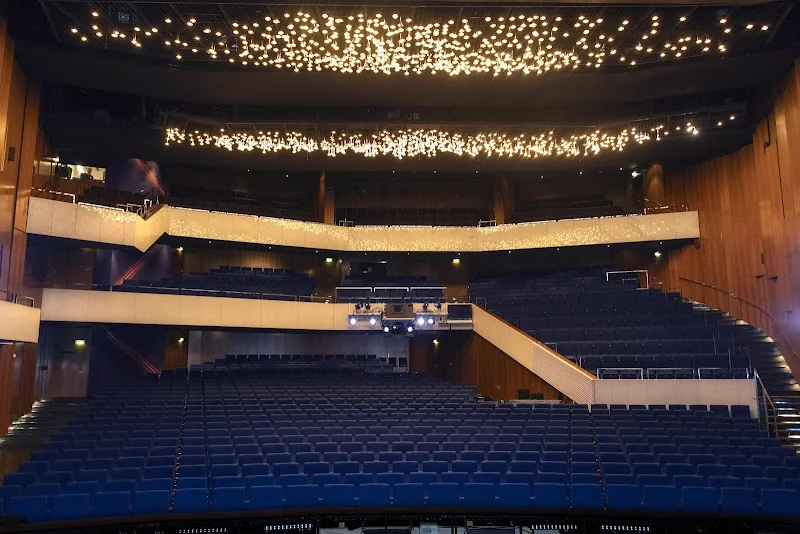
Those searching for Theater Bonn – Opera House often mean much more than just an address in Bonn. It refers to a traditional cultural venue directly on the Rhine, a house with clear orientation, a strong musical identity, and a program that ranges from grand opera to concert evenings and special formats. This is precisely why terms like parking, seating plan, photos, reviews, program, tickets, and directions frequently appear in searches: visitors want to quickly know how to get there, where to sit, how the hall is structured, and what kind of evening to expect. The opera house at Boeselagerhof 1 meets these expectations with a striking building, a clearly described visitor logic, and a cultural aura that extends far beyond Bonn. The Grand Hall accommodates 1024 seats, and there is also a workshop stage with 125 seats. This allows the house to combine grand operatic effects with the possibility of showcasing more intimate or experimental formats. Therefore, anyone wanting to understand the location gets not just a theater but a piece of Bonn's cultural history with very practical visitor pathways. ([theater-bonn.de](https://www.theater-bonn.de/en/ueber-uns/theater-bonn-new?utm_source=openai))
For those arriving by car, the opera parking garage is the most important option. Theater Bonn explicitly points out that visitors can park there during an event at the event rate of 5 euros. This rate applies 120 minutes before the performance starts until 120 minutes after it ends. The entrance is located at Brassertufer and at Boeselagerhof, right in the vicinity of the opera house. Those who do not want to waste time after events should also take the official warning seriously that there can be long exit times of up to 45 minutes. This is especially helpful for premiere evenings, gala formats, or highly demanded performance dates, as it allows for more realistic planning of the return journey. As alternative parking spaces, Theater Bonn mentions the university garage, the market garage, and the Beethoven parking garage; however, no event rate applies there for visits to the opera house or workshop stages. The location is very central but also well described, so even first-time visitors can quickly find the right way. For many users specifically searching for parking at the Bonn Opera House, this combination of event rates, alternative garages, and clear travel orientation is the decisive advantage. ([theater-bonn.de](https://www.theater-bonn.de/de/ihr-besuch/anfahrt))
The connection to buses and trains is also intentionally kept simple for the opera house. Theater Bonn mentions the light rail lines 62, 65, 66, and 67 to Bertha-von-Suttner-Platz as well as bus lines 600 and 601 to the Opera House stop. Additional bus lines also go to Bertha-von-Suttner-Platz, making the opera house easily accessible from various directions. Particularly practical is the note that the admission ticket on the day of the event is valid as a ticket for SWB and VRS four hours before the start until the end of service. This makes the theater visit not only culturally enjoyable but also logistically convenient, as public transport is included in the planning. For print@home tickets, this ticket regulation does not automatically apply; however, a free additional ticket for arrival and departure can be requested. Additionally, the house currently points out changes to lines 604 and 605, which will not serve the Opera House stop until further notice. This information is important for people traveling from Bonn, the surrounding area, or the train station, as it makes arrival and entry more relaxed. Thus, the opera house is not only centrally located but also clearly integrated into a public transport network that meets the visitor flow of a large cultural institution. ([theater-bonn.de](https://www.theater-bonn.de/de/ihr-besuch/anfahrt))
The seating plan is a central topic because the opera house organizes its prices based on the seating chart. Theater Bonn publishes its own seating plans and ticket prices for the opera, and late admission always occurs only at a time set by the entrance staff. This means for visitors: those who consciously choose their seat in the hall should look at the seating plan beforehand and not rely solely on the price category. The auditorium is classically structured yet flexible enough to represent different sightlines and seat types. Therefore, especially for premieres, particularly sought-after opera evenings, or concert formats, it is worthwhile to take a closer look at the hall structure. This is interesting not only for regular guests but also for people visiting the opera house for the first time and asking about the best seats. The official pricing logic also shows that visibility conditions and proximity to the stage are weighted differently in the various categories. In some categories, according to Theater Bonn, there may also be visibility restrictions regarding the surtitles. So, anyone searching for the best seat should consciously compare the seating plan with the desired evening. The house provides the appropriate information and makes orientation significantly easier than at many other historical theaters. ([theater-bonn.de](https://www.theater-bonn.de/de/karten-und-abos/preise-und-saalplaene))
The current spatial effect of the opera house is the result of a long architectural development. Theater Bonn documents that a second tier was added in 1992/93, increasing the then 900 seats to 1024. This detail is important for the question of capacity as well as for the perception of the house: the Grand Hall is large enough for a full opera evening but has also been adapted to modern requirements due to the later expansion. The workshop stage complements this with 125 seats as a more intimate space for smaller productions, more experimental formats, and special theater experiences. So, anyone searching for Bonn Opera House seating plan, hall plan, or seats is actually looking for a stage with a very clear but not rigid structure. For wheelchair users, it is also important that the opera house has up to three special wheelchair spaces available and that barrier-free access is possible via an elevator. The access from the box office to the audience level and the limited barrier-free pathways from entrance B are clearly described in the official visitor information. This creates a house that offers planning security for different needs. Especially in a historical building, this is a significant advantage because good visitor orientation and a comprehensible seating plan make the actual theater experience truly comfortable. ([theater-bonn.de](https://www.theater-bonn.de/en/ueber-uns/theater-bonn-new?utm_source=openai))
The core program of the opera house is music theater and concert culture. Theater Bonn describes itself as a house with opera, drama, dance, QKO, and PORTAL; for the opera house, this specifically means a spectrum of opera, musical, operetta, concerts, and special presentation forms. The opera choir of Theater Bonn is a key force of the house and participates, according to the official description, in up to one hundred opera, musical, and operetta performances as well as revivals per season. This is very important for the search for program, schedule, and premieres because it explains the opera house visit experience as a continuously produced repertoire theater. The house does not only live from individual guest performances but from a stable artistic structure that regularly brings forth new evenings. Therefore, anyone searching for the current program will encounter dates, previews, and magazine articles in which the artistic management announces or contextualizes the upcoming season. This is precisely where the advantage of a location like Theater Bonn – Opera House lies: it is not just a venue but a permanent engine of music theater in the city. ([theater-bonn.de](https://www.theater-bonn.de/de/ueber-uns/mitarbeit/opernchor-des-theater-bonn/836?utm_source=openai))
The autocomplete keywords clearly show which content particularly interests the audience. NESSUN DORMA! is documented as an Italian opera night on the official website with several dates, and there is even an edition featuring Plácido Domingo, which leads back to the stage of the Bonn Opera House. THE THREEPENNY OPERA was staged at the opera house by Simon Solberg, and THE MAGIC FLUTE also appears in the official season materials. In addition, there are KEHRAUSKONZERT, program previews, and the opera gala as formats that utilize the hall in different ways. This makes it understandable why users are not only searching for a normal venue but for a stage with changing faces. The opera house can host galas, classics, opera evenings with star-studded repertoire, and at the same time, the summer special moment. This very mix also creates high recognizability in search queries where titles, dates, and specific works stand side by side. For SEO, this is ideal because these search intentions derive a clear thematic mix of program, premieres, concert evenings, and repertoire titles. ([theater-bonn.de](https://www.theater-bonn.de/de/programm/nessun-dorma/226742?utm_source=openai))
The program also includes open and low-threshold formats that open the opera house to the city. Theater Bonn explicitly mentions formats like Opera for All, the Bonn Theater Night, and Grass & Spotlight. Grass & Spotlight transforms the lawn in front of the opera house and the workshop into a place of music, dance, performance, and community, while Opera for All marks performances as particularly inviting offers. The Theater Night, in turn, brings excerpts from the opera house program into a large urban cultural event. For visitors, this means: the opera house is not just an address for the classic premiere evening but a place where festival atmosphere, family audiences, and spontaneous cultural encounters have a place. This diversity makes the house relevant for search terms like program, schedule, premiere, concert, opera, musical, or summer festival. The schedule and magazine page of the theater also shows that the artistic management regularly provides insights into the upcoming season, thereby building anticipation for new productions. So, anyone searching for Theater Bonn – Opera House today is usually looking for exactly this mix: a piece of cultural history, a current schedule, and an evening that goes beyond just attending a performance. ([theater-bonn.de](https://www.theater-bonn.de/de/Oper_fuer_Alle?utm_source=openai))
Historically, the opera house is closely connected to Bonn of the post-war period. The current house was opened in May 1965 after about three years of construction directly on the banks of the Rhine and was designed by architects Klaus Gessler and Wilfrid Beck-Erlang. Theater Bonn describes the building as architecturally ambitious and emphasizes that the designers formulated a clear stance with their choice of materials: glass, concrete, and aluminum on the outside, natural stone, wood, and textiles on the inside. This makes the opera house appear both factual and representative to this day. It is not a stark functional building, but a cultural house with character that makes the theater's claim as a public space visible. The location on the Rhine further enhances this impression, as the house appears as a striking reference point in the urban landscape. Therefore, those visiting the opera house experience not only the performance itself but also a building that shapes the atmosphere of the evening even before the first note. In the 1980s, the house was even referred to in public perception as the “Scala on the Rhine,” underscoring the cultural significance of the location. For seekers, this is important because the location is more than just a simple event address: it is a piece of Bonn identity with strong recognizability. ([theater-bonn.de](https://www.theater-bonn.de/de/magazin/60-Jahre-Opernhaus?utm_source=openai))
This history also includes the idea of the house as an extended communication space. Theater Bonn describes the proscenium and the auditorium as architectural features that significantly expand the playability of the house. This flexibility makes the building interesting today for different staging forms. The stage can accommodate classical opera just as well as larger drama or mixed forms, allowing for a tremendous range of experiences. Additionally, there is art in the building: from the very beginning, works by HAP Grieshaber, Erich Hauser, Otto Piene, Lothar Quinte, and Kurt Frank were integrated. This is not just a decorative detail but a hint that the opera house in Bonn was conceived as a total work of art. The later development of the building is also part of this story. With the addition of the second tier in 1992/93, the auditorium was expanded to 1024 seats, giving the grand hall its current effect. The current workshop stage was completed in 1975 and adds a smaller, flexible space to the building. Anyone asking about history, special features, or architecture quickly realizes: the opera house is not a rigid monumental building but a living cultural body that has grown over decades and has been continually adapted to the demands of performance operations. ([theater-bonn.de](https://www.theater-bonn.de/en/ueber-uns/theater-bonn-new?utm_source=openai))
Even in the everyday experience of visiting, it becomes clear that Theater Bonn – Opera House focuses on accessibility and practical processes. The house is barrier-free accessible, with disabled parking spaces available on the upper parking deck of the opera parking garage near the elevator, and the lift takes visitors to the box office. From there, visitors can proceed to the audience level; according to official information, only entrance B is barrier-free with access to rows 20 and 21. At the same time, there are up to three special wheelchair spaces, barrier-free toilets, and support from the evening staff in the opera house. There is also provision for the hearing impaired: an induction loop is available in the opera. This information is particularly relevant for the search intention accessibility, wheelchair spaces, or access because the house speaks not only about its architecture but also about concrete usability. Especially in a historical building, this transparency is important as it alleviates uncertainties before the visit and makes planning easier. Theater Bonn also emphasizes that companion tickets are only available through the theater box offices and cannot be booked online. This ensures a clear, comprehensible service pathway. For many visitors, this is a strong signal that cultural participation in the opera house is not considered an add-on but part of its self-understanding. ([theater-bonn.de](https://www.theater-bonn.de/de/ihr-besuch/barrierefreiheit?utm_source=openai))
The visit experience at the opera house also includes gastronomy, and here Fidelio is particularly noteworthy. The opera restaurant is located directly in the opera house, opens before the performance begins, remains open during the intermission, and welcomes guests after the performance. Theater Bonn describes four packages that cater to different types of visits: from a table during the intermission to a multi-course menu. Additionally, the house promotes the view of the Rhine, which rounds off the evening not only culinarily but also atmospherically. For users searching for a holistic opera evening, this is an important added value: one can organize the evening without long distances in the building, use the intermission leisurely, and stay after the performance. Together with the clear parking logic, public transport, and well-described access, a very practical overall picture emerges. This makes the opera house attractive for different visitor groups: for opera lovers with premiere tickets, for first-time visitors, for families at special formats, and for guests who consciously understand the evening as an occasion for a refined cultural experience. ([theater-bonn.de](https://www.theater-bonn.de/de/fidelio))
When all search intentions are combined, a very coherent picture emerges: Theater Bonn – Opera House is a traditional, architecturally striking, and simultaneously highly practical cultural venue. The search terms surrounding parking, seating plan, directions, program, photos, reviews, prices, and accessibility show that visitors primarily want orientation. The house provides exactly this orientation through official visitor information, clearly described access, comprehensible ticket and seating plan logic, as well as a wide-ranging program. At the same time, it has a strong aura due to its location, history, and artistic direction that goes beyond the sober facts. The Rhine, the architecture of the 1960s, the large opera stage, and the open workshop stage together form a place where city, music, and audience meet directly. So, anyone searching for an opera house in Bonn finds here not just an address but a vibrant stage with history, present, and future. This makes the location strong for seekers, cultural audiences, and SEO alike. ([theater-bonn.de](https://www.theater-bonn.de/en/ueber-uns/theater-bonn-new?utm_source=openai))
Sources:
- Theater Bonn – Theater Bonn (History, Architecture, Capacity) ([theater-bonn.de](https://www.theater-bonn.de/en/ueber-uns/theater-bonn-new?utm_source=openai))
- Theater Bonn – Directions & Venues (Address, Arrival, Parking, Public Transport) ([theater-bonn.de](https://www.theater-bonn.de/de/ihr-besuch/anfahrt))
- Theater Bonn – Accessibility (Wheelchair Spaces, Access, Induction Loop) ([theater-bonn.de](https://www.theater-bonn.de/de/ihr-besuch/barrierefreiheit?utm_source=openai))
- Theater Bonn – Gastronomy / Fidelio (Opera Restaurant) ([theater-bonn.de](https://www.theater-bonn.de/de/fidelio))
- Theater Bonn – Nessun dorma! and Nessun dorma! with Plácido Domingo ([theater-bonn.de](https://www.theater-bonn.de/de/programm/nessun-dorma/226742?utm_source=openai))
- Theater Bonn – The Threepenny Opera, The Magic Flute, Kehrauskonzert, Grass & Spotlight, Theater Night ([theater-bonn.de](https://www.theater-bonn.de/de/magazin/dreigroschenoper?utm_source=openai))
Show moreShow less
Theater Bonn – Opera House | Parking & Seating Plan
Those searching for Theater Bonn – Opera House often mean much more than just an address in Bonn. It refers to a traditional cultural venue directly on the Rhine, a house with clear orientation, a strong musical identity, and a program that ranges from grand opera to concert evenings and special formats. This is precisely why terms like parking, seating plan, photos, reviews, program, tickets, and directions frequently appear in searches: visitors want to quickly know how to get there, where to sit, how the hall is structured, and what kind of evening to expect. The opera house at Boeselagerhof 1 meets these expectations with a striking building, a clearly described visitor logic, and a cultural aura that extends far beyond Bonn. The Grand Hall accommodates 1024 seats, and there is also a workshop stage with 125 seats. This allows the house to combine grand operatic effects with the possibility of showcasing more intimate or experimental formats. Therefore, anyone wanting to understand the location gets not just a theater but a piece of Bonn's cultural history with very practical visitor pathways. ([theater-bonn.de](https://www.theater-bonn.de/en/ueber-uns/theater-bonn-new?utm_source=openai))
For those arriving by car, the opera parking garage is the most important option. Theater Bonn explicitly points out that visitors can park there during an event at the event rate of 5 euros. This rate applies 120 minutes before the performance starts until 120 minutes after it ends. The entrance is located at Brassertufer and at Boeselagerhof, right in the vicinity of the opera house. Those who do not want to waste time after events should also take the official warning seriously that there can be long exit times of up to 45 minutes. This is especially helpful for premiere evenings, gala formats, or highly demanded performance dates, as it allows for more realistic planning of the return journey. As alternative parking spaces, Theater Bonn mentions the university garage, the market garage, and the Beethoven parking garage; however, no event rate applies there for visits to the opera house or workshop stages. The location is very central but also well described, so even first-time visitors can quickly find the right way. For many users specifically searching for parking at the Bonn Opera House, this combination of event rates, alternative garages, and clear travel orientation is the decisive advantage. ([theater-bonn.de](https://www.theater-bonn.de/de/ihr-besuch/anfahrt))
The connection to buses and trains is also intentionally kept simple for the opera house. Theater Bonn mentions the light rail lines 62, 65, 66, and 67 to Bertha-von-Suttner-Platz as well as bus lines 600 and 601 to the Opera House stop. Additional bus lines also go to Bertha-von-Suttner-Platz, making the opera house easily accessible from various directions. Particularly practical is the note that the admission ticket on the day of the event is valid as a ticket for SWB and VRS four hours before the start until the end of service. This makes the theater visit not only culturally enjoyable but also logistically convenient, as public transport is included in the planning. For print@home tickets, this ticket regulation does not automatically apply; however, a free additional ticket for arrival and departure can be requested. Additionally, the house currently points out changes to lines 604 and 605, which will not serve the Opera House stop until further notice. This information is important for people traveling from Bonn, the surrounding area, or the train station, as it makes arrival and entry more relaxed. Thus, the opera house is not only centrally located but also clearly integrated into a public transport network that meets the visitor flow of a large cultural institution. ([theater-bonn.de](https://www.theater-bonn.de/de/ihr-besuch/anfahrt))
The seating plan is a central topic because the opera house organizes its prices based on the seating chart. Theater Bonn publishes its own seating plans and ticket prices for the opera, and late admission always occurs only at a time set by the entrance staff. This means for visitors: those who consciously choose their seat in the hall should look at the seating plan beforehand and not rely solely on the price category. The auditorium is classically structured yet flexible enough to represent different sightlines and seat types. Therefore, especially for premieres, particularly sought-after opera evenings, or concert formats, it is worthwhile to take a closer look at the hall structure. This is interesting not only for regular guests but also for people visiting the opera house for the first time and asking about the best seats. The official pricing logic also shows that visibility conditions and proximity to the stage are weighted differently in the various categories. In some categories, according to Theater Bonn, there may also be visibility restrictions regarding the surtitles. So, anyone searching for the best seat should consciously compare the seating plan with the desired evening. The house provides the appropriate information and makes orientation significantly easier than at many other historical theaters. ([theater-bonn.de](https://www.theater-bonn.de/de/karten-und-abos/preise-und-saalplaene))
The current spatial effect of the opera house is the result of a long architectural development. Theater Bonn documents that a second tier was added in 1992/93, increasing the then 900 seats to 1024. This detail is important for the question of capacity as well as for the perception of the house: the Grand Hall is large enough for a full opera evening but has also been adapted to modern requirements due to the later expansion. The workshop stage complements this with 125 seats as a more intimate space for smaller productions, more experimental formats, and special theater experiences. So, anyone searching for Bonn Opera House seating plan, hall plan, or seats is actually looking for a stage with a very clear but not rigid structure. For wheelchair users, it is also important that the opera house has up to three special wheelchair spaces available and that barrier-free access is possible via an elevator. The access from the box office to the audience level and the limited barrier-free pathways from entrance B are clearly described in the official visitor information. This creates a house that offers planning security for different needs. Especially in a historical building, this is a significant advantage because good visitor orientation and a comprehensible seating plan make the actual theater experience truly comfortable. ([theater-bonn.de](https://www.theater-bonn.de/en/ueber-uns/theater-bonn-new?utm_source=openai))
The core program of the opera house is music theater and concert culture. Theater Bonn describes itself as a house with opera, drama, dance, QKO, and PORTAL; for the opera house, this specifically means a spectrum of opera, musical, operetta, concerts, and special presentation forms. The opera choir of Theater Bonn is a key force of the house and participates, according to the official description, in up to one hundred opera, musical, and operetta performances as well as revivals per season. This is very important for the search for program, schedule, and premieres because it explains the opera house visit experience as a continuously produced repertoire theater. The house does not only live from individual guest performances but from a stable artistic structure that regularly brings forth new evenings. Therefore, anyone searching for the current program will encounter dates, previews, and magazine articles in which the artistic management announces or contextualizes the upcoming season. This is precisely where the advantage of a location like Theater Bonn – Opera House lies: it is not just a venue but a permanent engine of music theater in the city. ([theater-bonn.de](https://www.theater-bonn.de/de/ueber-uns/mitarbeit/opernchor-des-theater-bonn/836?utm_source=openai))
The autocomplete keywords clearly show which content particularly interests the audience. NESSUN DORMA! is documented as an Italian opera night on the official website with several dates, and there is even an edition featuring Plácido Domingo, which leads back to the stage of the Bonn Opera House. THE THREEPENNY OPERA was staged at the opera house by Simon Solberg, and THE MAGIC FLUTE also appears in the official season materials. In addition, there are KEHRAUSKONZERT, program previews, and the opera gala as formats that utilize the hall in different ways. This makes it understandable why users are not only searching for a normal venue but for a stage with changing faces. The opera house can host galas, classics, opera evenings with star-studded repertoire, and at the same time, the summer special moment. This very mix also creates high recognizability in search queries where titles, dates, and specific works stand side by side. For SEO, this is ideal because these search intentions derive a clear thematic mix of program, premieres, concert evenings, and repertoire titles. ([theater-bonn.de](https://www.theater-bonn.de/de/programm/nessun-dorma/226742?utm_source=openai))
The program also includes open and low-threshold formats that open the opera house to the city. Theater Bonn explicitly mentions formats like Opera for All, the Bonn Theater Night, and Grass & Spotlight. Grass & Spotlight transforms the lawn in front of the opera house and the workshop into a place of music, dance, performance, and community, while Opera for All marks performances as particularly inviting offers. The Theater Night, in turn, brings excerpts from the opera house program into a large urban cultural event. For visitors, this means: the opera house is not just an address for the classic premiere evening but a place where festival atmosphere, family audiences, and spontaneous cultural encounters have a place. This diversity makes the house relevant for search terms like program, schedule, premiere, concert, opera, musical, or summer festival. The schedule and magazine page of the theater also shows that the artistic management regularly provides insights into the upcoming season, thereby building anticipation for new productions. So, anyone searching for Theater Bonn – Opera House today is usually looking for exactly this mix: a piece of cultural history, a current schedule, and an evening that goes beyond just attending a performance. ([theater-bonn.de](https://www.theater-bonn.de/de/Oper_fuer_Alle?utm_source=openai))
Historically, the opera house is closely connected to Bonn of the post-war period. The current house was opened in May 1965 after about three years of construction directly on the banks of the Rhine and was designed by architects Klaus Gessler and Wilfrid Beck-Erlang. Theater Bonn describes the building as architecturally ambitious and emphasizes that the designers formulated a clear stance with their choice of materials: glass, concrete, and aluminum on the outside, natural stone, wood, and textiles on the inside. This makes the opera house appear both factual and representative to this day. It is not a stark functional building, but a cultural house with character that makes the theater's claim as a public space visible. The location on the Rhine further enhances this impression, as the house appears as a striking reference point in the urban landscape. Therefore, those visiting the opera house experience not only the performance itself but also a building that shapes the atmosphere of the evening even before the first note. In the 1980s, the house was even referred to in public perception as the “Scala on the Rhine,” underscoring the cultural significance of the location. For seekers, this is important because the location is more than just a simple event address: it is a piece of Bonn identity with strong recognizability. ([theater-bonn.de](https://www.theater-bonn.de/de/magazin/60-Jahre-Opernhaus?utm_source=openai))
This history also includes the idea of the house as an extended communication space. Theater Bonn describes the proscenium and the auditorium as architectural features that significantly expand the playability of the house. This flexibility makes the building interesting today for different staging forms. The stage can accommodate classical opera just as well as larger drama or mixed forms, allowing for a tremendous range of experiences. Additionally, there is art in the building: from the very beginning, works by HAP Grieshaber, Erich Hauser, Otto Piene, Lothar Quinte, and Kurt Frank were integrated. This is not just a decorative detail but a hint that the opera house in Bonn was conceived as a total work of art. The later development of the building is also part of this story. With the addition of the second tier in 1992/93, the auditorium was expanded to 1024 seats, giving the grand hall its current effect. The current workshop stage was completed in 1975 and adds a smaller, flexible space to the building. Anyone asking about history, special features, or architecture quickly realizes: the opera house is not a rigid monumental building but a living cultural body that has grown over decades and has been continually adapted to the demands of performance operations. ([theater-bonn.de](https://www.theater-bonn.de/en/ueber-uns/theater-bonn-new?utm_source=openai))
Even in the everyday experience of visiting, it becomes clear that Theater Bonn – Opera House focuses on accessibility and practical processes. The house is barrier-free accessible, with disabled parking spaces available on the upper parking deck of the opera parking garage near the elevator, and the lift takes visitors to the box office. From there, visitors can proceed to the audience level; according to official information, only entrance B is barrier-free with access to rows 20 and 21. At the same time, there are up to three special wheelchair spaces, barrier-free toilets, and support from the evening staff in the opera house. There is also provision for the hearing impaired: an induction loop is available in the opera. This information is particularly relevant for the search intention accessibility, wheelchair spaces, or access because the house speaks not only about its architecture but also about concrete usability. Especially in a historical building, this transparency is important as it alleviates uncertainties before the visit and makes planning easier. Theater Bonn also emphasizes that companion tickets are only available through the theater box offices and cannot be booked online. This ensures a clear, comprehensible service pathway. For many visitors, this is a strong signal that cultural participation in the opera house is not considered an add-on but part of its self-understanding. ([theater-bonn.de](https://www.theater-bonn.de/de/ihr-besuch/barrierefreiheit?utm_source=openai))
The visit experience at the opera house also includes gastronomy, and here Fidelio is particularly noteworthy. The opera restaurant is located directly in the opera house, opens before the performance begins, remains open during the intermission, and welcomes guests after the performance. Theater Bonn describes four packages that cater to different types of visits: from a table during the intermission to a multi-course menu. Additionally, the house promotes the view of the Rhine, which rounds off the evening not only culinarily but also atmospherically. For users searching for a holistic opera evening, this is an important added value: one can organize the evening without long distances in the building, use the intermission leisurely, and stay after the performance. Together with the clear parking logic, public transport, and well-described access, a very practical overall picture emerges. This makes the opera house attractive for different visitor groups: for opera lovers with premiere tickets, for first-time visitors, for families at special formats, and for guests who consciously understand the evening as an occasion for a refined cultural experience. ([theater-bonn.de](https://www.theater-bonn.de/de/fidelio))
When all search intentions are combined, a very coherent picture emerges: Theater Bonn – Opera House is a traditional, architecturally striking, and simultaneously highly practical cultural venue. The search terms surrounding parking, seating plan, directions, program, photos, reviews, prices, and accessibility show that visitors primarily want orientation. The house provides exactly this orientation through official visitor information, clearly described access, comprehensible ticket and seating plan logic, as well as a wide-ranging program. At the same time, it has a strong aura due to its location, history, and artistic direction that goes beyond the sober facts. The Rhine, the architecture of the 1960s, the large opera stage, and the open workshop stage together form a place where city, music, and audience meet directly. So, anyone searching for an opera house in Bonn finds here not just an address but a vibrant stage with history, present, and future. This makes the location strong for seekers, cultural audiences, and SEO alike. ([theater-bonn.de](https://www.theater-bonn.de/en/ueber-uns/theater-bonn-new?utm_source=openai))
Sources:
- Theater Bonn – Theater Bonn (History, Architecture, Capacity) ([theater-bonn.de](https://www.theater-bonn.de/en/ueber-uns/theater-bonn-new?utm_source=openai))
- Theater Bonn – Directions & Venues (Address, Arrival, Parking, Public Transport) ([theater-bonn.de](https://www.theater-bonn.de/de/ihr-besuch/anfahrt))
- Theater Bonn – Accessibility (Wheelchair Spaces, Access, Induction Loop) ([theater-bonn.de](https://www.theater-bonn.de/de/ihr-besuch/barrierefreiheit?utm_source=openai))
- Theater Bonn – Gastronomy / Fidelio (Opera Restaurant) ([theater-bonn.de](https://www.theater-bonn.de/de/fidelio))
- Theater Bonn – Nessun dorma! and Nessun dorma! with Plácido Domingo ([theater-bonn.de](https://www.theater-bonn.de/de/programm/nessun-dorma/226742?utm_source=openai))
- Theater Bonn – The Threepenny Opera, The Magic Flute, Kehrauskonzert, Grass & Spotlight, Theater Night ([theater-bonn.de](https://www.theater-bonn.de/de/magazin/dreigroschenoper?utm_source=openai))
Theater Bonn – Opera House | Parking & Seating Plan
Those searching for Theater Bonn – Opera House often mean much more than just an address in Bonn. It refers to a traditional cultural venue directly on the Rhine, a house with clear orientation, a strong musical identity, and a program that ranges from grand opera to concert evenings and special formats. This is precisely why terms like parking, seating plan, photos, reviews, program, tickets, and directions frequently appear in searches: visitors want to quickly know how to get there, where to sit, how the hall is structured, and what kind of evening to expect. The opera house at Boeselagerhof 1 meets these expectations with a striking building, a clearly described visitor logic, and a cultural aura that extends far beyond Bonn. The Grand Hall accommodates 1024 seats, and there is also a workshop stage with 125 seats. This allows the house to combine grand operatic effects with the possibility of showcasing more intimate or experimental formats. Therefore, anyone wanting to understand the location gets not just a theater but a piece of Bonn's cultural history with very practical visitor pathways. ([theater-bonn.de](https://www.theater-bonn.de/en/ueber-uns/theater-bonn-new?utm_source=openai))
For those arriving by car, the opera parking garage is the most important option. Theater Bonn explicitly points out that visitors can park there during an event at the event rate of 5 euros. This rate applies 120 minutes before the performance starts until 120 minutes after it ends. The entrance is located at Brassertufer and at Boeselagerhof, right in the vicinity of the opera house. Those who do not want to waste time after events should also take the official warning seriously that there can be long exit times of up to 45 minutes. This is especially helpful for premiere evenings, gala formats, or highly demanded performance dates, as it allows for more realistic planning of the return journey. As alternative parking spaces, Theater Bonn mentions the university garage, the market garage, and the Beethoven parking garage; however, no event rate applies there for visits to the opera house or workshop stages. The location is very central but also well described, so even first-time visitors can quickly find the right way. For many users specifically searching for parking at the Bonn Opera House, this combination of event rates, alternative garages, and clear travel orientation is the decisive advantage. ([theater-bonn.de](https://www.theater-bonn.de/de/ihr-besuch/anfahrt))
The connection to buses and trains is also intentionally kept simple for the opera house. Theater Bonn mentions the light rail lines 62, 65, 66, and 67 to Bertha-von-Suttner-Platz as well as bus lines 600 and 601 to the Opera House stop. Additional bus lines also go to Bertha-von-Suttner-Platz, making the opera house easily accessible from various directions. Particularly practical is the note that the admission ticket on the day of the event is valid as a ticket for SWB and VRS four hours before the start until the end of service. This makes the theater visit not only culturally enjoyable but also logistically convenient, as public transport is included in the planning. For print@home tickets, this ticket regulation does not automatically apply; however, a free additional ticket for arrival and departure can be requested. Additionally, the house currently points out changes to lines 604 and 605, which will not serve the Opera House stop until further notice. This information is important for people traveling from Bonn, the surrounding area, or the train station, as it makes arrival and entry more relaxed. Thus, the opera house is not only centrally located but also clearly integrated into a public transport network that meets the visitor flow of a large cultural institution. ([theater-bonn.de](https://www.theater-bonn.de/de/ihr-besuch/anfahrt))
The seating plan is a central topic because the opera house organizes its prices based on the seating chart. Theater Bonn publishes its own seating plans and ticket prices for the opera, and late admission always occurs only at a time set by the entrance staff. This means for visitors: those who consciously choose their seat in the hall should look at the seating plan beforehand and not rely solely on the price category. The auditorium is classically structured yet flexible enough to represent different sightlines and seat types. Therefore, especially for premieres, particularly sought-after opera evenings, or concert formats, it is worthwhile to take a closer look at the hall structure. This is interesting not only for regular guests but also for people visiting the opera house for the first time and asking about the best seats. The official pricing logic also shows that visibility conditions and proximity to the stage are weighted differently in the various categories. In some categories, according to Theater Bonn, there may also be visibility restrictions regarding the surtitles. So, anyone searching for the best seat should consciously compare the seating plan with the desired evening. The house provides the appropriate information and makes orientation significantly easier than at many other historical theaters. ([theater-bonn.de](https://www.theater-bonn.de/de/karten-und-abos/preise-und-saalplaene))
The current spatial effect of the opera house is the result of a long architectural development. Theater Bonn documents that a second tier was added in 1992/93, increasing the then 900 seats to 1024. This detail is important for the question of capacity as well as for the perception of the house: the Grand Hall is large enough for a full opera evening but has also been adapted to modern requirements due to the later expansion. The workshop stage complements this with 125 seats as a more intimate space for smaller productions, more experimental formats, and special theater experiences. So, anyone searching for Bonn Opera House seating plan, hall plan, or seats is actually looking for a stage with a very clear but not rigid structure. For wheelchair users, it is also important that the opera house has up to three special wheelchair spaces available and that barrier-free access is possible via an elevator. The access from the box office to the audience level and the limited barrier-free pathways from entrance B are clearly described in the official visitor information. This creates a house that offers planning security for different needs. Especially in a historical building, this is a significant advantage because good visitor orientation and a comprehensible seating plan make the actual theater experience truly comfortable. ([theater-bonn.de](https://www.theater-bonn.de/en/ueber-uns/theater-bonn-new?utm_source=openai))
The core program of the opera house is music theater and concert culture. Theater Bonn describes itself as a house with opera, drama, dance, QKO, and PORTAL; for the opera house, this specifically means a spectrum of opera, musical, operetta, concerts, and special presentation forms. The opera choir of Theater Bonn is a key force of the house and participates, according to the official description, in up to one hundred opera, musical, and operetta performances as well as revivals per season. This is very important for the search for program, schedule, and premieres because it explains the opera house visit experience as a continuously produced repertoire theater. The house does not only live from individual guest performances but from a stable artistic structure that regularly brings forth new evenings. Therefore, anyone searching for the current program will encounter dates, previews, and magazine articles in which the artistic management announces or contextualizes the upcoming season. This is precisely where the advantage of a location like Theater Bonn – Opera House lies: it is not just a venue but a permanent engine of music theater in the city. ([theater-bonn.de](https://www.theater-bonn.de/de/ueber-uns/mitarbeit/opernchor-des-theater-bonn/836?utm_source=openai))
The autocomplete keywords clearly show which content particularly interests the audience. NESSUN DORMA! is documented as an Italian opera night on the official website with several dates, and there is even an edition featuring Plácido Domingo, which leads back to the stage of the Bonn Opera House. THE THREEPENNY OPERA was staged at the opera house by Simon Solberg, and THE MAGIC FLUTE also appears in the official season materials. In addition, there are KEHRAUSKONZERT, program previews, and the opera gala as formats that utilize the hall in different ways. This makes it understandable why users are not only searching for a normal venue but for a stage with changing faces. The opera house can host galas, classics, opera evenings with star-studded repertoire, and at the same time, the summer special moment. This very mix also creates high recognizability in search queries where titles, dates, and specific works stand side by side. For SEO, this is ideal because these search intentions derive a clear thematic mix of program, premieres, concert evenings, and repertoire titles. ([theater-bonn.de](https://www.theater-bonn.de/de/programm/nessun-dorma/226742?utm_source=openai))
The program also includes open and low-threshold formats that open the opera house to the city. Theater Bonn explicitly mentions formats like Opera for All, the Bonn Theater Night, and Grass & Spotlight. Grass & Spotlight transforms the lawn in front of the opera house and the workshop into a place of music, dance, performance, and community, while Opera for All marks performances as particularly inviting offers. The Theater Night, in turn, brings excerpts from the opera house program into a large urban cultural event. For visitors, this means: the opera house is not just an address for the classic premiere evening but a place where festival atmosphere, family audiences, and spontaneous cultural encounters have a place. This diversity makes the house relevant for search terms like program, schedule, premiere, concert, opera, musical, or summer festival. The schedule and magazine page of the theater also shows that the artistic management regularly provides insights into the upcoming season, thereby building anticipation for new productions. So, anyone searching for Theater Bonn – Opera House today is usually looking for exactly this mix: a piece of cultural history, a current schedule, and an evening that goes beyond just attending a performance. ([theater-bonn.de](https://www.theater-bonn.de/de/Oper_fuer_Alle?utm_source=openai))
Historically, the opera house is closely connected to Bonn of the post-war period. The current house was opened in May 1965 after about three years of construction directly on the banks of the Rhine and was designed by architects Klaus Gessler and Wilfrid Beck-Erlang. Theater Bonn describes the building as architecturally ambitious and emphasizes that the designers formulated a clear stance with their choice of materials: glass, concrete, and aluminum on the outside, natural stone, wood, and textiles on the inside. This makes the opera house appear both factual and representative to this day. It is not a stark functional building, but a cultural house with character that makes the theater's claim as a public space visible. The location on the Rhine further enhances this impression, as the house appears as a striking reference point in the urban landscape. Therefore, those visiting the opera house experience not only the performance itself but also a building that shapes the atmosphere of the evening even before the first note. In the 1980s, the house was even referred to in public perception as the “Scala on the Rhine,” underscoring the cultural significance of the location. For seekers, this is important because the location is more than just a simple event address: it is a piece of Bonn identity with strong recognizability. ([theater-bonn.de](https://www.theater-bonn.de/de/magazin/60-Jahre-Opernhaus?utm_source=openai))
This history also includes the idea of the house as an extended communication space. Theater Bonn describes the proscenium and the auditorium as architectural features that significantly expand the playability of the house. This flexibility makes the building interesting today for different staging forms. The stage can accommodate classical opera just as well as larger drama or mixed forms, allowing for a tremendous range of experiences. Additionally, there is art in the building: from the very beginning, works by HAP Grieshaber, Erich Hauser, Otto Piene, Lothar Quinte, and Kurt Frank were integrated. This is not just a decorative detail but a hint that the opera house in Bonn was conceived as a total work of art. The later development of the building is also part of this story. With the addition of the second tier in 1992/93, the auditorium was expanded to 1024 seats, giving the grand hall its current effect. The current workshop stage was completed in 1975 and adds a smaller, flexible space to the building. Anyone asking about history, special features, or architecture quickly realizes: the opera house is not a rigid monumental building but a living cultural body that has grown over decades and has been continually adapted to the demands of performance operations. ([theater-bonn.de](https://www.theater-bonn.de/en/ueber-uns/theater-bonn-new?utm_source=openai))
Even in the everyday experience of visiting, it becomes clear that Theater Bonn – Opera House focuses on accessibility and practical processes. The house is barrier-free accessible, with disabled parking spaces available on the upper parking deck of the opera parking garage near the elevator, and the lift takes visitors to the box office. From there, visitors can proceed to the audience level; according to official information, only entrance B is barrier-free with access to rows 20 and 21. At the same time, there are up to three special wheelchair spaces, barrier-free toilets, and support from the evening staff in the opera house. There is also provision for the hearing impaired: an induction loop is available in the opera. This information is particularly relevant for the search intention accessibility, wheelchair spaces, or access because the house speaks not only about its architecture but also about concrete usability. Especially in a historical building, this transparency is important as it alleviates uncertainties before the visit and makes planning easier. Theater Bonn also emphasizes that companion tickets are only available through the theater box offices and cannot be booked online. This ensures a clear, comprehensible service pathway. For many visitors, this is a strong signal that cultural participation in the opera house is not considered an add-on but part of its self-understanding. ([theater-bonn.de](https://www.theater-bonn.de/de/ihr-besuch/barrierefreiheit?utm_source=openai))
The visit experience at the opera house also includes gastronomy, and here Fidelio is particularly noteworthy. The opera restaurant is located directly in the opera house, opens before the performance begins, remains open during the intermission, and welcomes guests after the performance. Theater Bonn describes four packages that cater to different types of visits: from a table during the intermission to a multi-course menu. Additionally, the house promotes the view of the Rhine, which rounds off the evening not only culinarily but also atmospherically. For users searching for a holistic opera evening, this is an important added value: one can organize the evening without long distances in the building, use the intermission leisurely, and stay after the performance. Together with the clear parking logic, public transport, and well-described access, a very practical overall picture emerges. This makes the opera house attractive for different visitor groups: for opera lovers with premiere tickets, for first-time visitors, for families at special formats, and for guests who consciously understand the evening as an occasion for a refined cultural experience. ([theater-bonn.de](https://www.theater-bonn.de/de/fidelio))
When all search intentions are combined, a very coherent picture emerges: Theater Bonn – Opera House is a traditional, architecturally striking, and simultaneously highly practical cultural venue. The search terms surrounding parking, seating plan, directions, program, photos, reviews, prices, and accessibility show that visitors primarily want orientation. The house provides exactly this orientation through official visitor information, clearly described access, comprehensible ticket and seating plan logic, as well as a wide-ranging program. At the same time, it has a strong aura due to its location, history, and artistic direction that goes beyond the sober facts. The Rhine, the architecture of the 1960s, the large opera stage, and the open workshop stage together form a place where city, music, and audience meet directly. So, anyone searching for an opera house in Bonn finds here not just an address but a vibrant stage with history, present, and future. This makes the location strong for seekers, cultural audiences, and SEO alike. ([theater-bonn.de](https://www.theater-bonn.de/en/ueber-uns/theater-bonn-new?utm_source=openai))
Sources:
- Theater Bonn – Theater Bonn (History, Architecture, Capacity) ([theater-bonn.de](https://www.theater-bonn.de/en/ueber-uns/theater-bonn-new?utm_source=openai))
- Theater Bonn – Directions & Venues (Address, Arrival, Parking, Public Transport) ([theater-bonn.de](https://www.theater-bonn.de/de/ihr-besuch/anfahrt))
- Theater Bonn – Accessibility (Wheelchair Spaces, Access, Induction Loop) ([theater-bonn.de](https://www.theater-bonn.de/de/ihr-besuch/barrierefreiheit?utm_source=openai))
- Theater Bonn – Gastronomy / Fidelio (Opera Restaurant) ([theater-bonn.de](https://www.theater-bonn.de/de/fidelio))
- Theater Bonn – Nessun dorma! and Nessun dorma! with Plácido Domingo ([theater-bonn.de](https://www.theater-bonn.de/de/programm/nessun-dorma/226742?utm_source=openai))
- Theater Bonn – The Threepenny Opera, The Magic Flute, Kehrauskonzert, Grass & Spotlight, Theater Night ([theater-bonn.de](https://www.theater-bonn.de/de/magazin/dreigroschenoper?utm_source=openai))
Upcoming Events

Matthias Brandt & Jens Thomas: New Program in Bonn
Bonn gets an evening full of word art, sound, and suspense: Matthias Brandt & Jens Thomas live at the opera house. 12/28/2026, 8 PM. #Bonn #Comedy
The Little Prince - NRW Junior Ballet
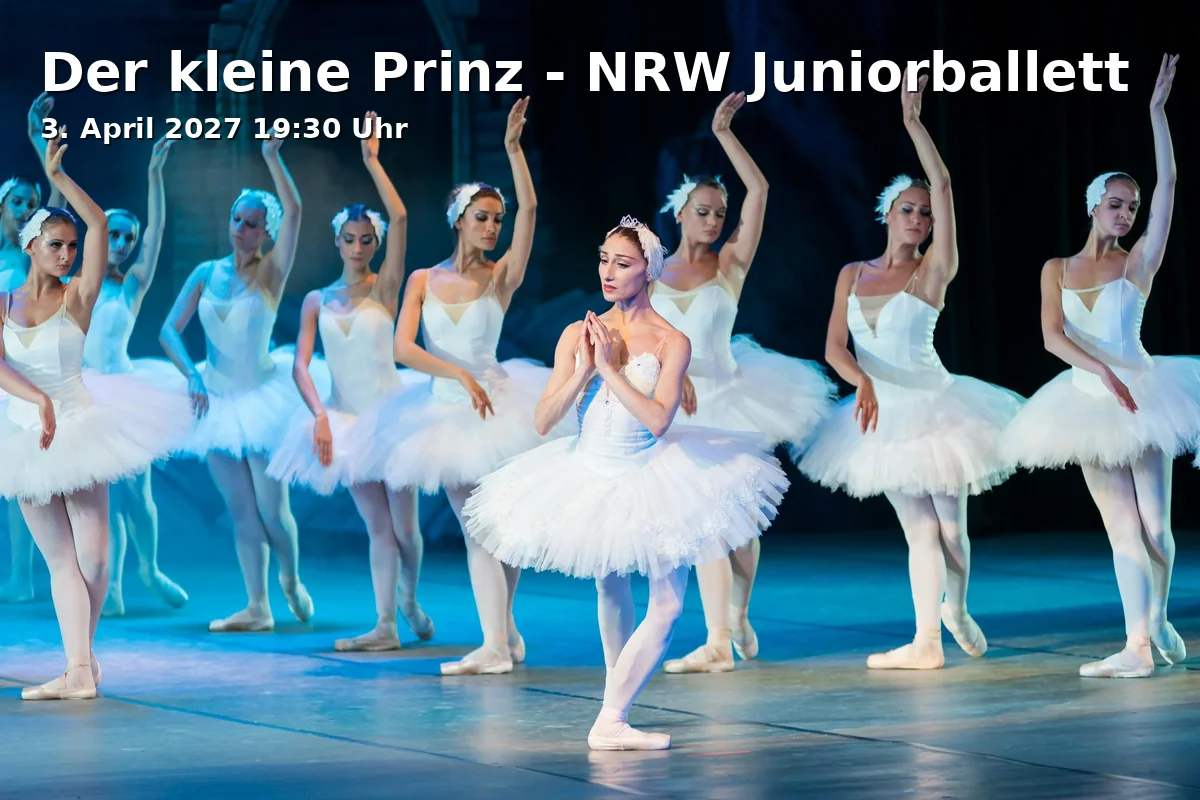
A poetic dance evening at the Bonn Opera: The NRW Junior Ballet transforms The Little Prince into an imaginative world full of symbolism and emotion. April 3, 2027, 70 minutes, world premiere. #Theater
Michael Hatzius live: Echsklusiv in Bonn
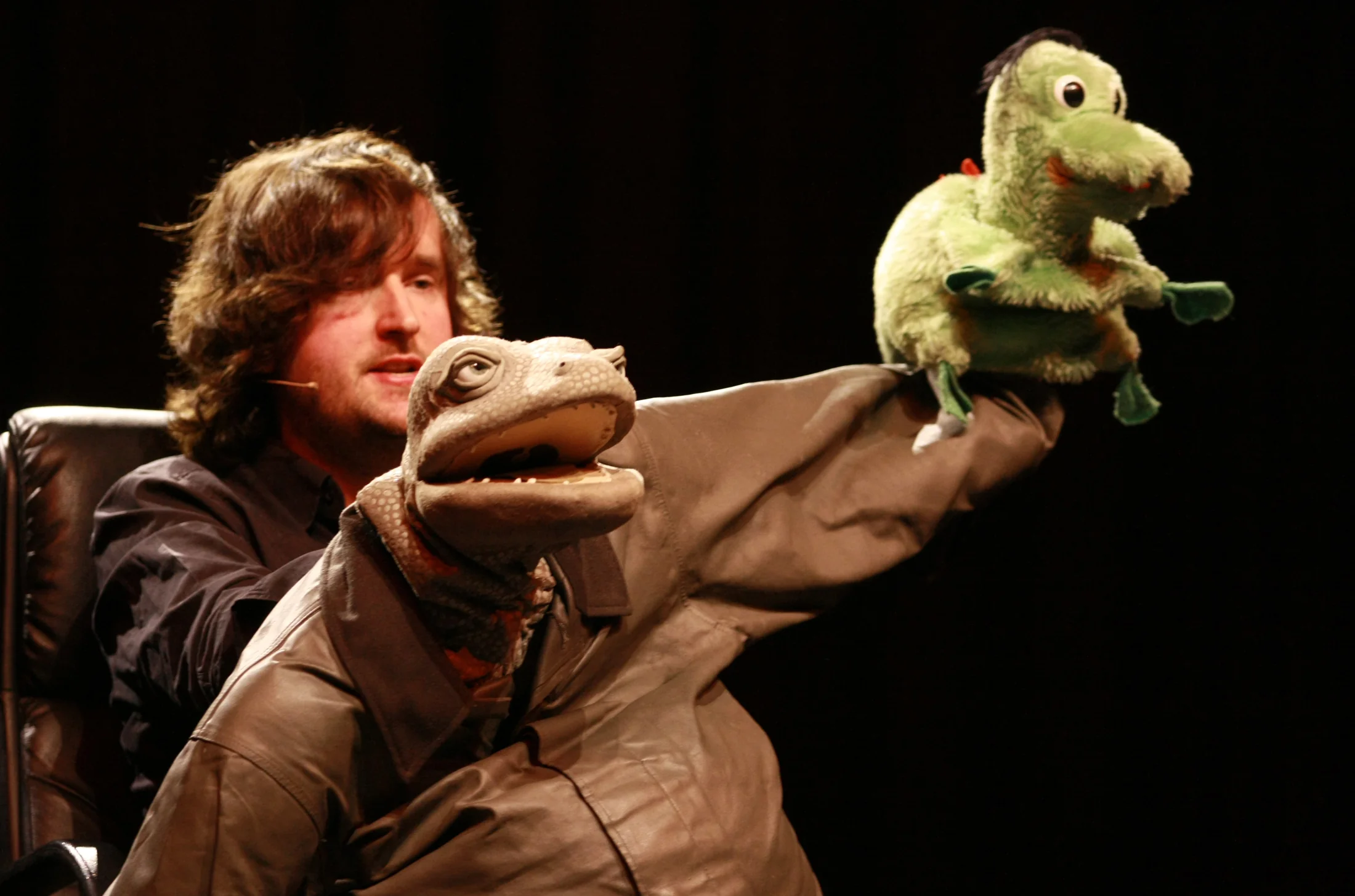
Bonn gets finest puppet comedy: Michael Hatzius and his lizard deliver satire, timing, and wild characters. 20.04.2027 at the Opera House. #Comedy
Miss Allie: Paradise Bird Tour flies to the Bonn Opera
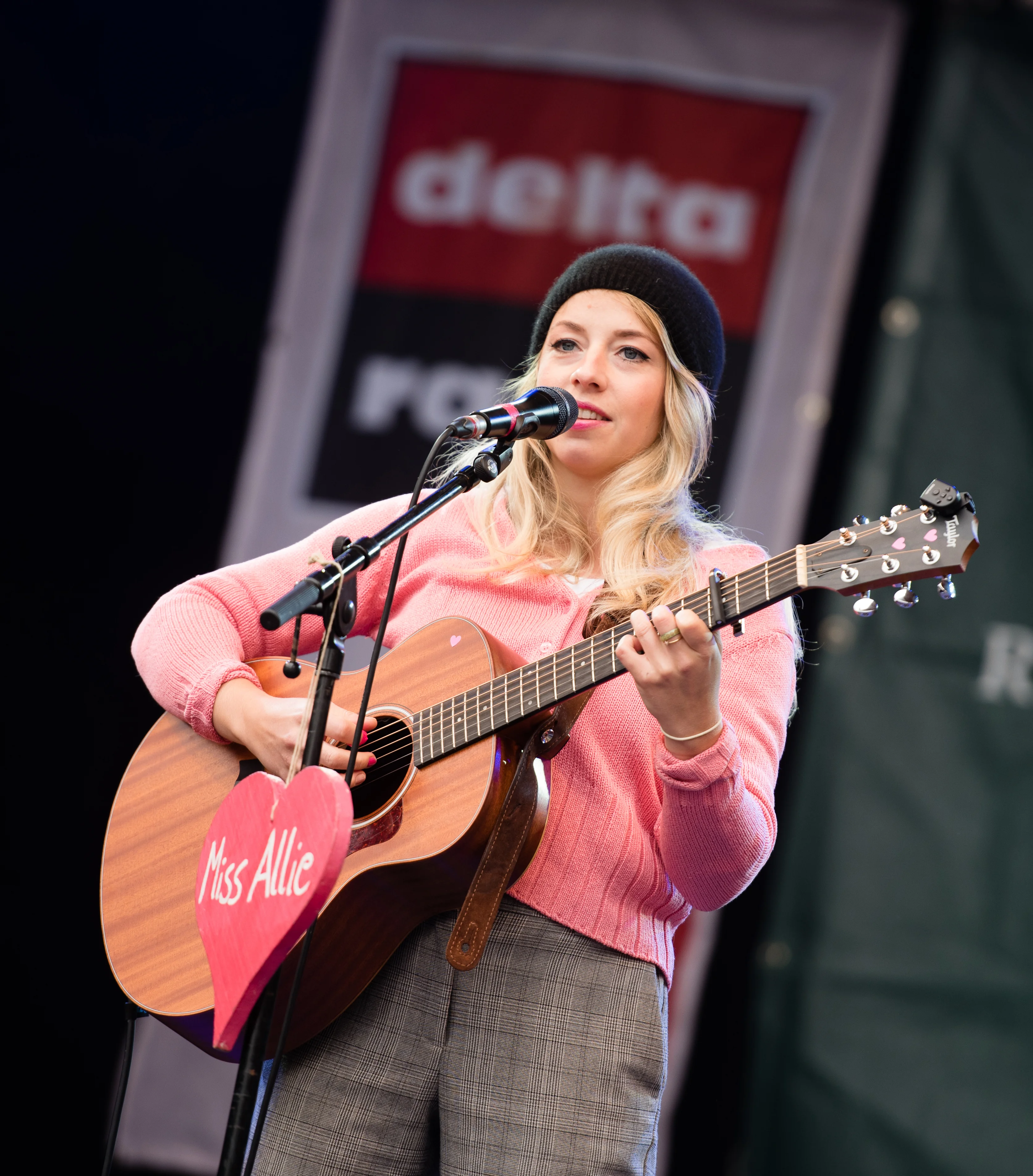
Bonn gets an evening full of music, wit, and fine punchlines: Miss Allie performs her Paradise Bird Tour at the Bonn Opera. 30.04.2027, 20:00. #Comedy #Bonn #MissAllie
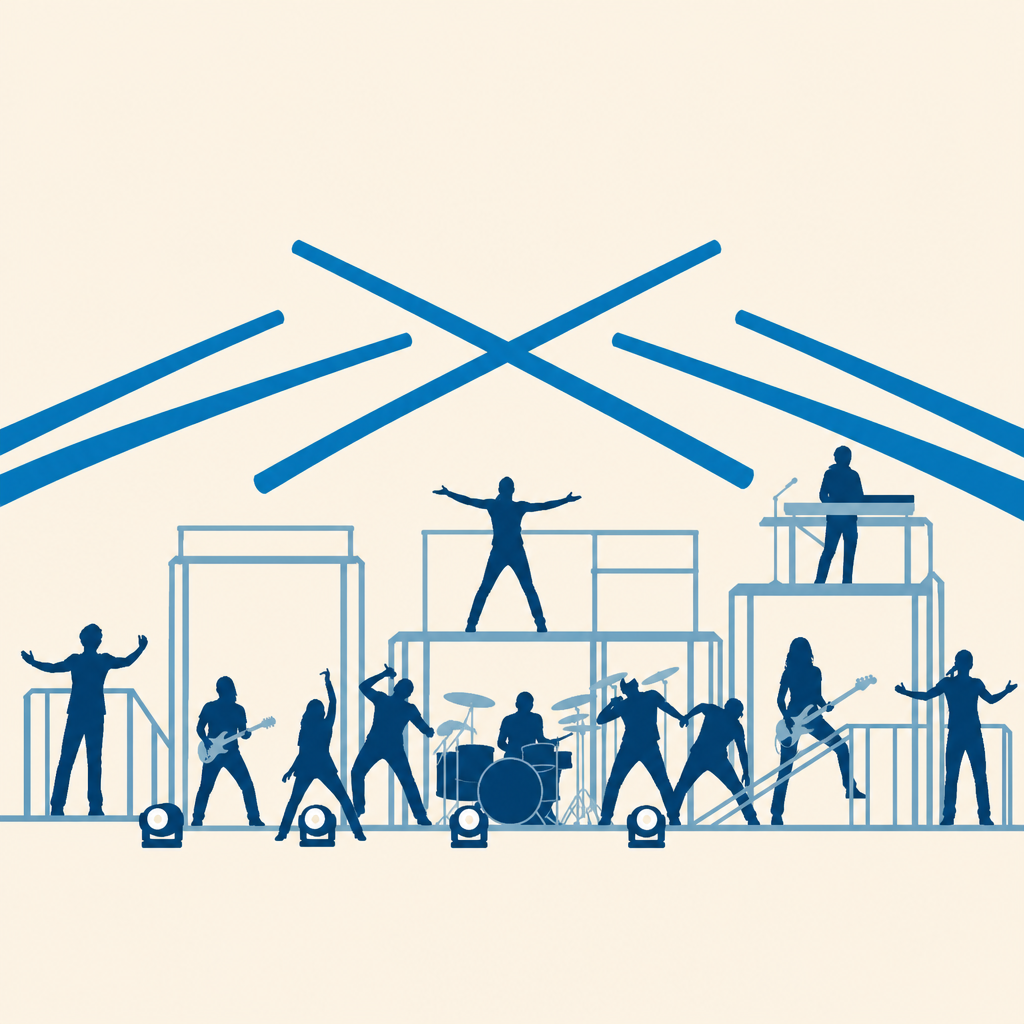
ISH Dance Collective - Rhythm & Flow
Bonn turns into a stage for pure movement: ISH Dance Collective shows Rhythm & Flow at the Bonn Opera. Hip-hop, parkour, and live music merge into an evening full of power. #Bonn #DanceTheater
Frequently Asked Questions
Reviews
No reviews found