
Bonn
Wachsbleiche 16, 53111 Bonn, Deutschland
Beethovenhalle Bonn | Program & Tickets
The Beethovenhalle Bonn is one of the most well-known venues on the Rhine and has been combining historical identity with new technical precision since its reopening in December 2025. At the central location Wachsbleiche 16 in the Bonn city center, a monumentally renovated building, modern stage and house technology, proximity to the Rhine, and a long cultural history come together. Today, the hall is once again home to the Beethoven Orchestra Bonn and a versatile address for concerts, tours, conferences, exhibitions, and special encounters. Those interested in the Beethovenhalle Bonn program, tickets, parking, or seating can find a clear structure with current events, visitor services, and room overview on the official pages. This blend of tradition and modernity makes the venue so strong: it is not just any event location, but a house with cultural radiance that has been visibly present in Bonn for decades and has gained significant profile after the renovation. ([beethovenhalle.de](https://www.beethovenhalle.de/?utm_source=openai))
Current Program, Concerts, and Events
Anyone looking for the Beethovenhalle Bonn program or Beethovenhalle Bonn today should first check the official program page. The hall publishes an excerpt of the planned events there and refers directly to the pages of ticket providers or the respective organizers depending on the date. This is important because the Beethovenhalle itself is not the organizer of the concerts and events, but serves as a location for a wide range of cultural and social formats. The official pages make it clear that not only classical concerts take place here, but also tours, discussions, family offerings, and special program points, as shown during the opening and open-door phase. Thus, the Beethovenhalle caters to people who want to experience a concert as well as to visitors who want to explore the house first. The program structure is deliberately kept open and allows for very different types of events to be bundled in one place. ([beethovenhalle.de](https://www.beethovenhalle.de/tag-der-offenen-tuer))
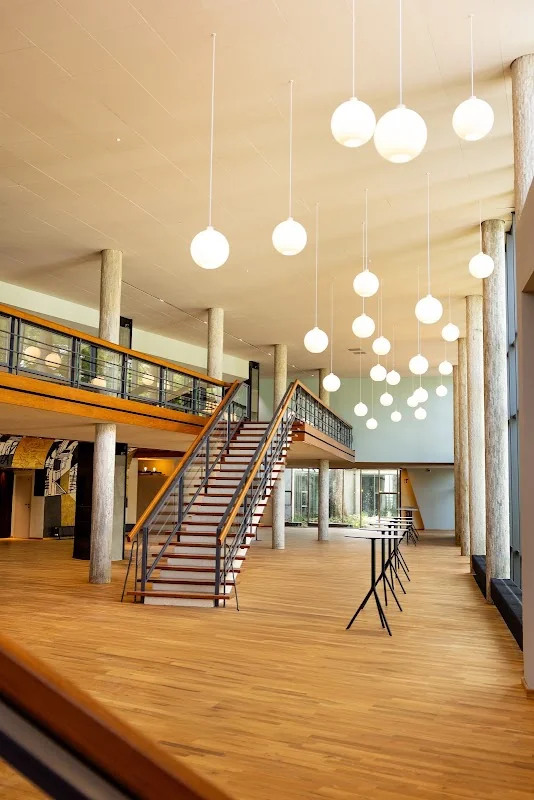
Particularly exciting is the variety of spaces. The Beethovenhalle combines the Great Hall, the main foyer, the north foyer, the Forum South with studio and exhibition space, chamber music hall, and south foyer. This mix makes the house flexible and explains why concerts, conferences, exhibitions, seminars, and other formats are possible there. The large house thus acts not only as a classical concert hall but as a multifunctional stage for culture and encounter. When events at Beethovenhalle Bonn are mentioned, it clearly means much more than just the individual evening concert: it refers to a location tailored to various audience needs and enables very different experiences with its different zones. The official room overview also shows that in the main foyer, in the north foyer, and in the southern areas, different usage logics arise, which are important for programming, breaks, and encounters. ([beethovenhalle.de](https://www.beethovenhalle.de/beethovenhalle))
Tickets, Booking, and Box Office
When it comes to Beethovenhalle Bonn tickets, one point is particularly important: the hall itself does not sell tickets for most events, as it acts as a venue and not as an organizer. Those planning an evening with the Beethoven Orchestra Bonn can get tickets at the theater box office or directly through the orchestra's website. For all other events, the program page leads to the respective provider or the organizer's website. This clear structure is helpful for visitors, as they can immediately see where the booking actually takes place. Therefore, anyone looking for Beethovenhalle Bonn costs or tickets should always first check what type of event it is. Especially for concerts, special formats, and guest events, the ticket path can vary, even though the location remains the same. This avoids misunderstandings and makes the visit process transparent. ([beethovenhalle.de](https://www.beethovenhalle.de/))
From an organizational perspective, the Beethovenhalle is now fully operational again. According to the official announcement, BonnCC Management GmbH took over operations on September 1, 2025; the booking phase began in April 2025, allowing event formats to be calculated early and contracts to be concluded. Regular operations began with the festive opening concert on December 16, 2025. For the audience, this means: the hall is once again an active place with long-term planable dates and a clear event schedule. Therefore, those looking for tickets should not only pay attention to the individual concert but also whether it is a specific Beethoven Orchestra event, a guest event, or a special action day. The hall itself provides the platform, while the actual booking depends on the respective partners, depending on the format. ([bonn.de](https://bonn.de/pressemitteilungen/april/beethovenhalle-bonn-startklar.php))
Access, Parking, and Barrier-Free Arrival
For access, the Beethovenhalle explicitly recommends public transport. From Bonn Central Station, it is about a 15-minute walk; alternatively, several tram and bus lines go to Bertha-von-Suttner-Platz, from where the hall can be reached in a few minutes. Among others, lines 66, 62, and 61 as well as buses 606, 607, 608, and 609 are mentioned. The location is therefore very central and well-suited for visitors without a car. There is also a practical solution for cyclists: there is a bicycle parking garage at Stiftsplatz. Therefore, anyone looking for the Beethovenhalle Bonn address will find a well-connected city center location that is suitable for both evening events and daytime formats. The official site also emphasizes that the hall is centrally located on the Rhine and is easily accessible by all means of transport. ([beethovenhalle.de](https://www.beethovenhalle.de/))
By car, you can reach Bonn via the A 565 or A 555; on-site signage directs you towards the city center or Beethovenhalle. For parking, the hall mentions the Beethoven parking garage, the opera garage, and other parking garages in Bonn's city center. At the same time, the website currently points out that the North Bridge, i.e., the Friedrich-Ebert Bridge, is closed and more time should be planned for arrival. This is an important detail for anyone traveling from the left bank area or over the bridge. Additionally, the new Beethovenhalle is designed to be barrier-free, except for the balcony or tier in the Great Hall. This is a significant advantage for visitors with mobility restrictions, as central areas of the house are easily accessible. The combination of city center location, public transport connections, multiple parking options, and barrier-free access makes the Beethovenhalle a practical venue with high user-friendliness. ([beethovenhalle.de](https://www.beethovenhalle.de/))
Great Hall, Seating, and Acoustics
The heart of the Beethovenhalle is the Great Hall. According to the official room overview, it offers seating for 1,697 people in row seating and features a stage and organ. After the renovation, it is described as a concert hall with excellent acoustics. This is relevant not only for the Beethoven Orchestra Bonn but also for guest concerts, chamber music, festive occasions, and productions with high acoustic demands. Those looking for Beethovenhalle Bonn seating will find a clear number for the Great Hall; for other rooms, different usage concepts apply depending on the format. The hall works with an interactive overview and different zones, so the house is not defined by a single seating arrangement but by a room concept that can be flexibly adapted to concerts, conferences, or exhibitions. This makes the location modern and versatile from a functional perspective. ([beethovenhalle.de](https://www.beethovenhalle.de/beethovenhalle))
The acoustics in the new Beethovenhalle are no coincidence but the result of an overall acoustic concept. The suspended ceiling in the Great Hall has been reinforced in its load-bearing structure, equipped with modern thermal insulation, and connected with a new fire protection and ventilation concept. At the same time, the historical appearance with the color tone chrysanthemum yellow provides a strong visual identity that makes the space distinctive. In addition, the new technology has been integrated in such a way that the historical look is preserved while the sound quality is at a contemporary level. The studio in Forum South is also noteworthy: it features special stage technology with movable lift platforms and modern event technology, as well as a separate entrance with a cloakroom. This shows that the Beethovenhalle was not only built for an audience with classical concert expectations but also for diverse productions that require technical flexibility. ([beethovenhalle.de](https://www.beethovenhalle.de/beethovenhalle))
Renovation, History, and the Concert Organ
The history of the Beethovenhalle is closely linked to the history of the city of Bonn. In 1954, the city announced an architecture competition in which 109 architects and architecture students participated; the then 29-year-old Siegfried Wolske won. On March 16, 1956, Federal President Theodor Heuss laid the foundation stone, which was embedded in the earth from Beethoven's grave. The hall was opened in 1959 and was regarded as an example of organic building as well as a symbol of the young Federal Republic. Later, the Beethovenhalle also became politically significant: the Federal Assembly met there repeatedly, and presidential elections, receptions, press balls, and party conventions took place. In 1985, a fire caused by arson damaged the acoustic ceiling, the organ, and an eastern part of the hall; in 1990, the building was entered in the monument book as an important building of post-war modernism. After the International Beethoven Festival in 2016, the monumentally appropriate renovation finally began. The reopening of the hall in December 2025 marks not only a structural but also a cultural-historical new beginning. ([beethovenhalle.de](https://www.beethovenhalle.de/historie?utm_source=openai))
A special chapter is the concert organ. It comes from the Bonn traditional company Orgelbau Klais and was installed in 1959. As part of the current restoration, 5,344 pipes had to be removed, cleaned, restored, and reassembled along with other components. Already during the original construction, Klais received the order for an organ with 67 registers in 1958; the close connection between the workshop and the hall thus extends back decades. For the renovation, the organ was brought back to the workshops and carefully adjusted to the new hall acoustics. This is a key theme for Beethovenhalle Bonn organ and Beethovenhalle Bonn renovation, as the instrument is not only technical equipment but part of the identity of the house. The organ stands for acoustic continuity, craftsmanship tradition, and the connection between the historical concert hall and its current use. ([bonn.de](https://www.bonn.de/pressemitteilungen/maerz/beethovenhalle-bonn-restaurierung-der-konzertorgel-hat-begonnen.php))
Restaurant Cantos, Foyers, and Special Details
The Beethovenhalle also includes the restaurant Cantos, which can be visited independently of events. It has its own entrance on Theaterstraße and is part of the architectural overall concept with a terrace and panoramic windows. This is a real added value for guests who want to eat before the concert or stay after the event. The view of the Rhine and the location within the ensemble of the hall create an atmosphere that does not feel like a separate restaurant but like an organic extension of the building. During events, there are also counters with drinks and snacks in the main foyer in front of the Great Hall and in the north foyer behind the Great Hall. Therefore, anyone looking for Beethovenhalle Bonn restaurant or Beethovenhalle Bonn restaurant menu will find a place that is gastronomically linked to the event visit but also functions independently. This noticeably increases the quality of stay. ([beethovenhalle.de](https://www.beethovenhalle.de/))
The architectural and artistic details also deserve attention. In the main foyer, there is a 27-meter-long sgraffito by Joseph Fassbender with gray, black-and-white, and golden areas. In addition, there is a real tree in the hall, a plane tree, which Siegfried Wolske deliberately integrated into the building in the spirit of organic architecture. These details show that the Beethovenhalle is not just a functional event location but a listed experiential space with artistic substance. Added to this are sustainability measures such as insulated roofs, renewed window facades, PV systems on the flat roofs, and unsealed areas of the parking lot. In total, this creates a modern building that preserves historical substance while setting new standards. For organizers and guests alike, the Beethovenhalle is therefore a place where architecture, culture, and quality of stay come together. ([beethovenhalle.de](https://www.beethovenhalle.de/beethovenhalle))
Sources:
- Beethovenhalle Bonn - Official Website
- Beethovenhalle Bonn - History
- Beethovenhalle Bonn - Rooms & Architecture
- Beethovenhalle Bonn - Visitor Service
- Beethovenhalle Bonn - Opening Week
- Federal City Bonn - Restoration of the Concert Organ, 17.03.2025
- Federal City Bonn - Beethovenhalle Bonn ready, 09.04.2025
Mehr anzeigenWeniger anzeigen
Beethovenhalle Bonn | Program & Tickets
The Beethovenhalle Bonn is one of the most well-known venues on the Rhine and has been combining historical identity with new technical precision since its reopening in December 2025. At the central location Wachsbleiche 16 in the Bonn city center, a monumentally renovated building, modern stage and house technology, proximity to the Rhine, and a long cultural history come together. Today, the hall is once again home to the Beethoven Orchestra Bonn and a versatile address for concerts, tours, conferences, exhibitions, and special encounters. Those interested in the Beethovenhalle Bonn program, tickets, parking, or seating can find a clear structure with current events, visitor services, and room overview on the official pages. This blend of tradition and modernity makes the venue so strong: it is not just any event location, but a house with cultural radiance that has been visibly present in Bonn for decades and has gained significant profile after the renovation. ([beethovenhalle.de](https://www.beethovenhalle.de/?utm_source=openai))
Current Program, Concerts, and Events
Anyone looking for the Beethovenhalle Bonn program or Beethovenhalle Bonn today should first check the official program page. The hall publishes an excerpt of the planned events there and refers directly to the pages of ticket providers or the respective organizers depending on the date. This is important because the Beethovenhalle itself is not the organizer of the concerts and events, but serves as a location for a wide range of cultural and social formats. The official pages make it clear that not only classical concerts take place here, but also tours, discussions, family offerings, and special program points, as shown during the opening and open-door phase. Thus, the Beethovenhalle caters to people who want to experience a concert as well as to visitors who want to explore the house first. The program structure is deliberately kept open and allows for very different types of events to be bundled in one place. ([beethovenhalle.de](https://www.beethovenhalle.de/tag-der-offenen-tuer))
Particularly exciting is the variety of spaces. The Beethovenhalle combines the Great Hall, the main foyer, the north foyer, the Forum South with studio and exhibition space, chamber music hall, and south foyer. This mix makes the house flexible and explains why concerts, conferences, exhibitions, seminars, and other formats are possible there. The large house thus acts not only as a classical concert hall but as a multifunctional stage for culture and encounter. When events at Beethovenhalle Bonn are mentioned, it clearly means much more than just the individual evening concert: it refers to a location tailored to various audience needs and enables very different experiences with its different zones. The official room overview also shows that in the main foyer, in the north foyer, and in the southern areas, different usage logics arise, which are important for programming, breaks, and encounters. ([beethovenhalle.de](https://www.beethovenhalle.de/beethovenhalle))
Tickets, Booking, and Box Office
When it comes to Beethovenhalle Bonn tickets, one point is particularly important: the hall itself does not sell tickets for most events, as it acts as a venue and not as an organizer. Those planning an evening with the Beethoven Orchestra Bonn can get tickets at the theater box office or directly through the orchestra's website. For all other events, the program page leads to the respective provider or the organizer's website. This clear structure is helpful for visitors, as they can immediately see where the booking actually takes place. Therefore, anyone looking for Beethovenhalle Bonn costs or tickets should always first check what type of event it is. Especially for concerts, special formats, and guest events, the ticket path can vary, even though the location remains the same. This avoids misunderstandings and makes the visit process transparent. ([beethovenhalle.de](https://www.beethovenhalle.de/))
From an organizational perspective, the Beethovenhalle is now fully operational again. According to the official announcement, BonnCC Management GmbH took over operations on September 1, 2025; the booking phase began in April 2025, allowing event formats to be calculated early and contracts to be concluded. Regular operations began with the festive opening concert on December 16, 2025. For the audience, this means: the hall is once again an active place with long-term planable dates and a clear event schedule. Therefore, those looking for tickets should not only pay attention to the individual concert but also whether it is a specific Beethoven Orchestra event, a guest event, or a special action day. The hall itself provides the platform, while the actual booking depends on the respective partners, depending on the format. ([bonn.de](https://bonn.de/pressemitteilungen/april/beethovenhalle-bonn-startklar.php))
Access, Parking, and Barrier-Free Arrival
For access, the Beethovenhalle explicitly recommends public transport. From Bonn Central Station, it is about a 15-minute walk; alternatively, several tram and bus lines go to Bertha-von-Suttner-Platz, from where the hall can be reached in a few minutes. Among others, lines 66, 62, and 61 as well as buses 606, 607, 608, and 609 are mentioned. The location is therefore very central and well-suited for visitors without a car. There is also a practical solution for cyclists: there is a bicycle parking garage at Stiftsplatz. Therefore, anyone looking for the Beethovenhalle Bonn address will find a well-connected city center location that is suitable for both evening events and daytime formats. The official site also emphasizes that the hall is centrally located on the Rhine and is easily accessible by all means of transport. ([beethovenhalle.de](https://www.beethovenhalle.de/))
By car, you can reach Bonn via the A 565 or A 555; on-site signage directs you towards the city center or Beethovenhalle. For parking, the hall mentions the Beethoven parking garage, the opera garage, and other parking garages in Bonn's city center. At the same time, the website currently points out that the North Bridge, i.e., the Friedrich-Ebert Bridge, is closed and more time should be planned for arrival. This is an important detail for anyone traveling from the left bank area or over the bridge. Additionally, the new Beethovenhalle is designed to be barrier-free, except for the balcony or tier in the Great Hall. This is a significant advantage for visitors with mobility restrictions, as central areas of the house are easily accessible. The combination of city center location, public transport connections, multiple parking options, and barrier-free access makes the Beethovenhalle a practical venue with high user-friendliness. ([beethovenhalle.de](https://www.beethovenhalle.de/))
Great Hall, Seating, and Acoustics
The heart of the Beethovenhalle is the Great Hall. According to the official room overview, it offers seating for 1,697 people in row seating and features a stage and organ. After the renovation, it is described as a concert hall with excellent acoustics. This is relevant not only for the Beethoven Orchestra Bonn but also for guest concerts, chamber music, festive occasions, and productions with high acoustic demands. Those looking for Beethovenhalle Bonn seating will find a clear number for the Great Hall; for other rooms, different usage concepts apply depending on the format. The hall works with an interactive overview and different zones, so the house is not defined by a single seating arrangement but by a room concept that can be flexibly adapted to concerts, conferences, or exhibitions. This makes the location modern and versatile from a functional perspective. ([beethovenhalle.de](https://www.beethovenhalle.de/beethovenhalle))
The acoustics in the new Beethovenhalle are no coincidence but the result of an overall acoustic concept. The suspended ceiling in the Great Hall has been reinforced in its load-bearing structure, equipped with modern thermal insulation, and connected with a new fire protection and ventilation concept. At the same time, the historical appearance with the color tone chrysanthemum yellow provides a strong visual identity that makes the space distinctive. In addition, the new technology has been integrated in such a way that the historical look is preserved while the sound quality is at a contemporary level. The studio in Forum South is also noteworthy: it features special stage technology with movable lift platforms and modern event technology, as well as a separate entrance with a cloakroom. This shows that the Beethovenhalle was not only built for an audience with classical concert expectations but also for diverse productions that require technical flexibility. ([beethovenhalle.de](https://www.beethovenhalle.de/beethovenhalle))
Renovation, History, and the Concert Organ
The history of the Beethovenhalle is closely linked to the history of the city of Bonn. In 1954, the city announced an architecture competition in which 109 architects and architecture students participated; the then 29-year-old Siegfried Wolske won. On March 16, 1956, Federal President Theodor Heuss laid the foundation stone, which was embedded in the earth from Beethoven's grave. The hall was opened in 1959 and was regarded as an example of organic building as well as a symbol of the young Federal Republic. Later, the Beethovenhalle also became politically significant: the Federal Assembly met there repeatedly, and presidential elections, receptions, press balls, and party conventions took place. In 1985, a fire caused by arson damaged the acoustic ceiling, the organ, and an eastern part of the hall; in 1990, the building was entered in the monument book as an important building of post-war modernism. After the International Beethoven Festival in 2016, the monumentally appropriate renovation finally began. The reopening of the hall in December 2025 marks not only a structural but also a cultural-historical new beginning. ([beethovenhalle.de](https://www.beethovenhalle.de/historie?utm_source=openai))
A special chapter is the concert organ. It comes from the Bonn traditional company Orgelbau Klais and was installed in 1959. As part of the current restoration, 5,344 pipes had to be removed, cleaned, restored, and reassembled along with other components. Already during the original construction, Klais received the order for an organ with 67 registers in 1958; the close connection between the workshop and the hall thus extends back decades. For the renovation, the organ was brought back to the workshops and carefully adjusted to the new hall acoustics. This is a key theme for Beethovenhalle Bonn organ and Beethovenhalle Bonn renovation, as the instrument is not only technical equipment but part of the identity of the house. The organ stands for acoustic continuity, craftsmanship tradition, and the connection between the historical concert hall and its current use. ([bonn.de](https://www.bonn.de/pressemitteilungen/maerz/beethovenhalle-bonn-restaurierung-der-konzertorgel-hat-begonnen.php))
Restaurant Cantos, Foyers, and Special Details
The Beethovenhalle also includes the restaurant Cantos, which can be visited independently of events. It has its own entrance on Theaterstraße and is part of the architectural overall concept with a terrace and panoramic windows. This is a real added value for guests who want to eat before the concert or stay after the event. The view of the Rhine and the location within the ensemble of the hall create an atmosphere that does not feel like a separate restaurant but like an organic extension of the building. During events, there are also counters with drinks and snacks in the main foyer in front of the Great Hall and in the north foyer behind the Great Hall. Therefore, anyone looking for Beethovenhalle Bonn restaurant or Beethovenhalle Bonn restaurant menu will find a place that is gastronomically linked to the event visit but also functions independently. This noticeably increases the quality of stay. ([beethovenhalle.de](https://www.beethovenhalle.de/))
The architectural and artistic details also deserve attention. In the main foyer, there is a 27-meter-long sgraffito by Joseph Fassbender with gray, black-and-white, and golden areas. In addition, there is a real tree in the hall, a plane tree, which Siegfried Wolske deliberately integrated into the building in the spirit of organic architecture. These details show that the Beethovenhalle is not just a functional event location but a listed experiential space with artistic substance. Added to this are sustainability measures such as insulated roofs, renewed window facades, PV systems on the flat roofs, and unsealed areas of the parking lot. In total, this creates a modern building that preserves historical substance while setting new standards. For organizers and guests alike, the Beethovenhalle is therefore a place where architecture, culture, and quality of stay come together. ([beethovenhalle.de](https://www.beethovenhalle.de/beethovenhalle))
Sources:
- Beethovenhalle Bonn - Official Website
- Beethovenhalle Bonn - History
- Beethovenhalle Bonn - Rooms & Architecture
- Beethovenhalle Bonn - Visitor Service
- Beethovenhalle Bonn - Opening Week
- Federal City Bonn - Restoration of the Concert Organ, 17.03.2025
- Federal City Bonn - Beethovenhalle Bonn ready, 09.04.2025
Beethovenhalle Bonn | Program & Tickets
The Beethovenhalle Bonn is one of the most well-known venues on the Rhine and has been combining historical identity with new technical precision since its reopening in December 2025. At the central location Wachsbleiche 16 in the Bonn city center, a monumentally renovated building, modern stage and house technology, proximity to the Rhine, and a long cultural history come together. Today, the hall is once again home to the Beethoven Orchestra Bonn and a versatile address for concerts, tours, conferences, exhibitions, and special encounters. Those interested in the Beethovenhalle Bonn program, tickets, parking, or seating can find a clear structure with current events, visitor services, and room overview on the official pages. This blend of tradition and modernity makes the venue so strong: it is not just any event location, but a house with cultural radiance that has been visibly present in Bonn for decades and has gained significant profile after the renovation. ([beethovenhalle.de](https://www.beethovenhalle.de/?utm_source=openai))
Current Program, Concerts, and Events
Anyone looking for the Beethovenhalle Bonn program or Beethovenhalle Bonn today should first check the official program page. The hall publishes an excerpt of the planned events there and refers directly to the pages of ticket providers or the respective organizers depending on the date. This is important because the Beethovenhalle itself is not the organizer of the concerts and events, but serves as a location for a wide range of cultural and social formats. The official pages make it clear that not only classical concerts take place here, but also tours, discussions, family offerings, and special program points, as shown during the opening and open-door phase. Thus, the Beethovenhalle caters to people who want to experience a concert as well as to visitors who want to explore the house first. The program structure is deliberately kept open and allows for very different types of events to be bundled in one place. ([beethovenhalle.de](https://www.beethovenhalle.de/tag-der-offenen-tuer))
Particularly exciting is the variety of spaces. The Beethovenhalle combines the Great Hall, the main foyer, the north foyer, the Forum South with studio and exhibition space, chamber music hall, and south foyer. This mix makes the house flexible and explains why concerts, conferences, exhibitions, seminars, and other formats are possible there. The large house thus acts not only as a classical concert hall but as a multifunctional stage for culture and encounter. When events at Beethovenhalle Bonn are mentioned, it clearly means much more than just the individual evening concert: it refers to a location tailored to various audience needs and enables very different experiences with its different zones. The official room overview also shows that in the main foyer, in the north foyer, and in the southern areas, different usage logics arise, which are important for programming, breaks, and encounters. ([beethovenhalle.de](https://www.beethovenhalle.de/beethovenhalle))
Tickets, Booking, and Box Office
When it comes to Beethovenhalle Bonn tickets, one point is particularly important: the hall itself does not sell tickets for most events, as it acts as a venue and not as an organizer. Those planning an evening with the Beethoven Orchestra Bonn can get tickets at the theater box office or directly through the orchestra's website. For all other events, the program page leads to the respective provider or the organizer's website. This clear structure is helpful for visitors, as they can immediately see where the booking actually takes place. Therefore, anyone looking for Beethovenhalle Bonn costs or tickets should always first check what type of event it is. Especially for concerts, special formats, and guest events, the ticket path can vary, even though the location remains the same. This avoids misunderstandings and makes the visit process transparent. ([beethovenhalle.de](https://www.beethovenhalle.de/))
From an organizational perspective, the Beethovenhalle is now fully operational again. According to the official announcement, BonnCC Management GmbH took over operations on September 1, 2025; the booking phase began in April 2025, allowing event formats to be calculated early and contracts to be concluded. Regular operations began with the festive opening concert on December 16, 2025. For the audience, this means: the hall is once again an active place with long-term planable dates and a clear event schedule. Therefore, those looking for tickets should not only pay attention to the individual concert but also whether it is a specific Beethoven Orchestra event, a guest event, or a special action day. The hall itself provides the platform, while the actual booking depends on the respective partners, depending on the format. ([bonn.de](https://bonn.de/pressemitteilungen/april/beethovenhalle-bonn-startklar.php))
Access, Parking, and Barrier-Free Arrival
For access, the Beethovenhalle explicitly recommends public transport. From Bonn Central Station, it is about a 15-minute walk; alternatively, several tram and bus lines go to Bertha-von-Suttner-Platz, from where the hall can be reached in a few minutes. Among others, lines 66, 62, and 61 as well as buses 606, 607, 608, and 609 are mentioned. The location is therefore very central and well-suited for visitors without a car. There is also a practical solution for cyclists: there is a bicycle parking garage at Stiftsplatz. Therefore, anyone looking for the Beethovenhalle Bonn address will find a well-connected city center location that is suitable for both evening events and daytime formats. The official site also emphasizes that the hall is centrally located on the Rhine and is easily accessible by all means of transport. ([beethovenhalle.de](https://www.beethovenhalle.de/))
By car, you can reach Bonn via the A 565 or A 555; on-site signage directs you towards the city center or Beethovenhalle. For parking, the hall mentions the Beethoven parking garage, the opera garage, and other parking garages in Bonn's city center. At the same time, the website currently points out that the North Bridge, i.e., the Friedrich-Ebert Bridge, is closed and more time should be planned for arrival. This is an important detail for anyone traveling from the left bank area or over the bridge. Additionally, the new Beethovenhalle is designed to be barrier-free, except for the balcony or tier in the Great Hall. This is a significant advantage for visitors with mobility restrictions, as central areas of the house are easily accessible. The combination of city center location, public transport connections, multiple parking options, and barrier-free access makes the Beethovenhalle a practical venue with high user-friendliness. ([beethovenhalle.de](https://www.beethovenhalle.de/))
Great Hall, Seating, and Acoustics
The heart of the Beethovenhalle is the Great Hall. According to the official room overview, it offers seating for 1,697 people in row seating and features a stage and organ. After the renovation, it is described as a concert hall with excellent acoustics. This is relevant not only for the Beethoven Orchestra Bonn but also for guest concerts, chamber music, festive occasions, and productions with high acoustic demands. Those looking for Beethovenhalle Bonn seating will find a clear number for the Great Hall; for other rooms, different usage concepts apply depending on the format. The hall works with an interactive overview and different zones, so the house is not defined by a single seating arrangement but by a room concept that can be flexibly adapted to concerts, conferences, or exhibitions. This makes the location modern and versatile from a functional perspective. ([beethovenhalle.de](https://www.beethovenhalle.de/beethovenhalle))
The acoustics in the new Beethovenhalle are no coincidence but the result of an overall acoustic concept. The suspended ceiling in the Great Hall has been reinforced in its load-bearing structure, equipped with modern thermal insulation, and connected with a new fire protection and ventilation concept. At the same time, the historical appearance with the color tone chrysanthemum yellow provides a strong visual identity that makes the space distinctive. In addition, the new technology has been integrated in such a way that the historical look is preserved while the sound quality is at a contemporary level. The studio in Forum South is also noteworthy: it features special stage technology with movable lift platforms and modern event technology, as well as a separate entrance with a cloakroom. This shows that the Beethovenhalle was not only built for an audience with classical concert expectations but also for diverse productions that require technical flexibility. ([beethovenhalle.de](https://www.beethovenhalle.de/beethovenhalle))
Renovation, History, and the Concert Organ
The history of the Beethovenhalle is closely linked to the history of the city of Bonn. In 1954, the city announced an architecture competition in which 109 architects and architecture students participated; the then 29-year-old Siegfried Wolske won. On March 16, 1956, Federal President Theodor Heuss laid the foundation stone, which was embedded in the earth from Beethoven's grave. The hall was opened in 1959 and was regarded as an example of organic building as well as a symbol of the young Federal Republic. Later, the Beethovenhalle also became politically significant: the Federal Assembly met there repeatedly, and presidential elections, receptions, press balls, and party conventions took place. In 1985, a fire caused by arson damaged the acoustic ceiling, the organ, and an eastern part of the hall; in 1990, the building was entered in the monument book as an important building of post-war modernism. After the International Beethoven Festival in 2016, the monumentally appropriate renovation finally began. The reopening of the hall in December 2025 marks not only a structural but also a cultural-historical new beginning. ([beethovenhalle.de](https://www.beethovenhalle.de/historie?utm_source=openai))
A special chapter is the concert organ. It comes from the Bonn traditional company Orgelbau Klais and was installed in 1959. As part of the current restoration, 5,344 pipes had to be removed, cleaned, restored, and reassembled along with other components. Already during the original construction, Klais received the order for an organ with 67 registers in 1958; the close connection between the workshop and the hall thus extends back decades. For the renovation, the organ was brought back to the workshops and carefully adjusted to the new hall acoustics. This is a key theme for Beethovenhalle Bonn organ and Beethovenhalle Bonn renovation, as the instrument is not only technical equipment but part of the identity of the house. The organ stands for acoustic continuity, craftsmanship tradition, and the connection between the historical concert hall and its current use. ([bonn.de](https://www.bonn.de/pressemitteilungen/maerz/beethovenhalle-bonn-restaurierung-der-konzertorgel-hat-begonnen.php))
Restaurant Cantos, Foyers, and Special Details
The Beethovenhalle also includes the restaurant Cantos, which can be visited independently of events. It has its own entrance on Theaterstraße and is part of the architectural overall concept with a terrace and panoramic windows. This is a real added value for guests who want to eat before the concert or stay after the event. The view of the Rhine and the location within the ensemble of the hall create an atmosphere that does not feel like a separate restaurant but like an organic extension of the building. During events, there are also counters with drinks and snacks in the main foyer in front of the Great Hall and in the north foyer behind the Great Hall. Therefore, anyone looking for Beethovenhalle Bonn restaurant or Beethovenhalle Bonn restaurant menu will find a place that is gastronomically linked to the event visit but also functions independently. This noticeably increases the quality of stay. ([beethovenhalle.de](https://www.beethovenhalle.de/))
The architectural and artistic details also deserve attention. In the main foyer, there is a 27-meter-long sgraffito by Joseph Fassbender with gray, black-and-white, and golden areas. In addition, there is a real tree in the hall, a plane tree, which Siegfried Wolske deliberately integrated into the building in the spirit of organic architecture. These details show that the Beethovenhalle is not just a functional event location but a listed experiential space with artistic substance. Added to this are sustainability measures such as insulated roofs, renewed window facades, PV systems on the flat roofs, and unsealed areas of the parking lot. In total, this creates a modern building that preserves historical substance while setting new standards. For organizers and guests alike, the Beethovenhalle is therefore a place where architecture, culture, and quality of stay come together. ([beethovenhalle.de](https://www.beethovenhalle.de/beethovenhalle))
Sources:
- Beethovenhalle Bonn - Official Website
- Beethovenhalle Bonn - History
- Beethovenhalle Bonn - Rooms & Architecture
- Beethovenhalle Bonn - Visitor Service
- Beethovenhalle Bonn - Opening Week
- Federal City Bonn - Restoration of the Concert Organ, 17.03.2025
- Federal City Bonn - Beethovenhalle Bonn ready, 09.04.2025
Upcoming Events

Beethovenfest 2026: Evening Concert with Katrīna Paula Felsberga & Lal Karaalioğlu
An evening full of song art and sound colors in Bonn: Felsberga & Karaalioğlu at Beethovenfest. 23.09.2026, 6 PM, 19 euros. Experience it live now. #Beethovenfest
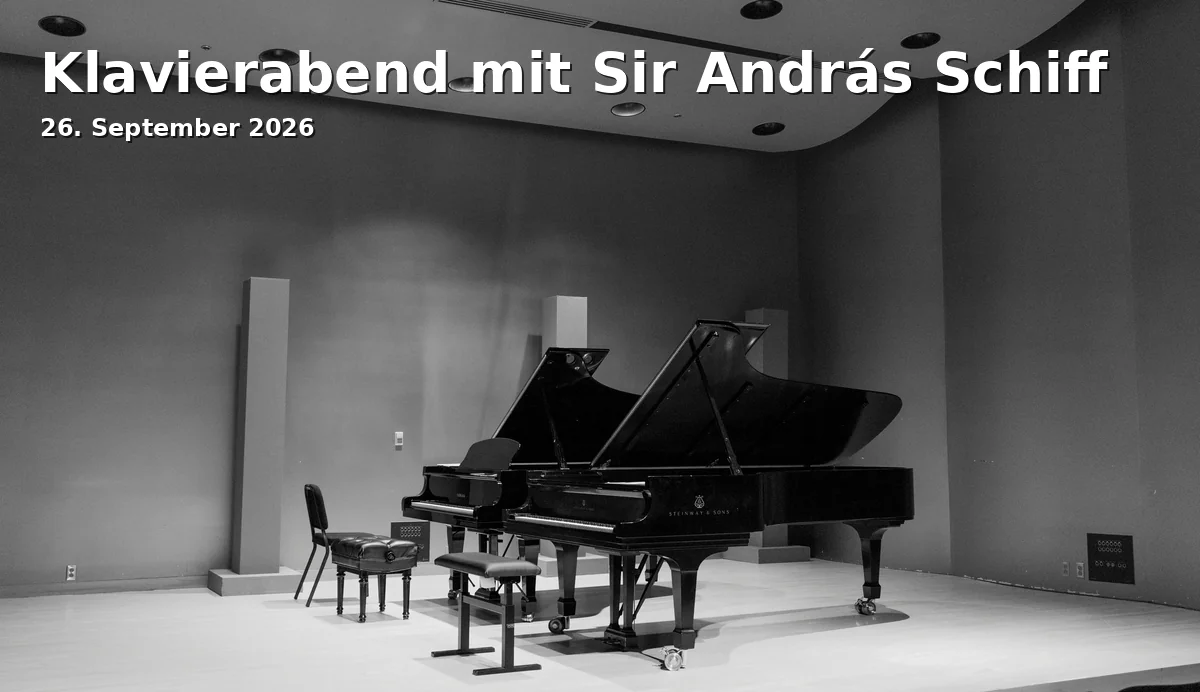
Piano Evening with Sir András Schiff
Experience an unforgettable piano evening with Sir András Schiff on September 26, 2026, at the Beethovenhalle Bonn.
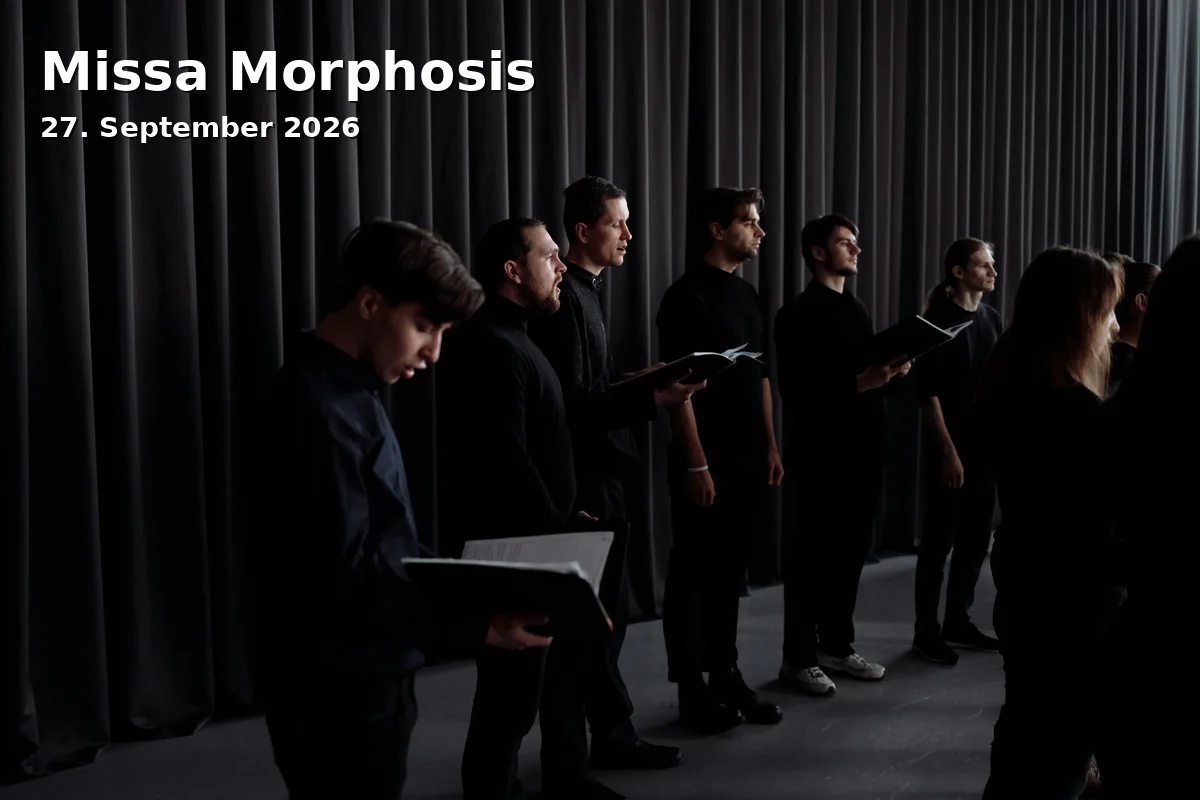
Missa Morphosis
Experience a fascinating concert with the B’Rock Orchestra and the Vox Bona Chamber Choir in Bonn.
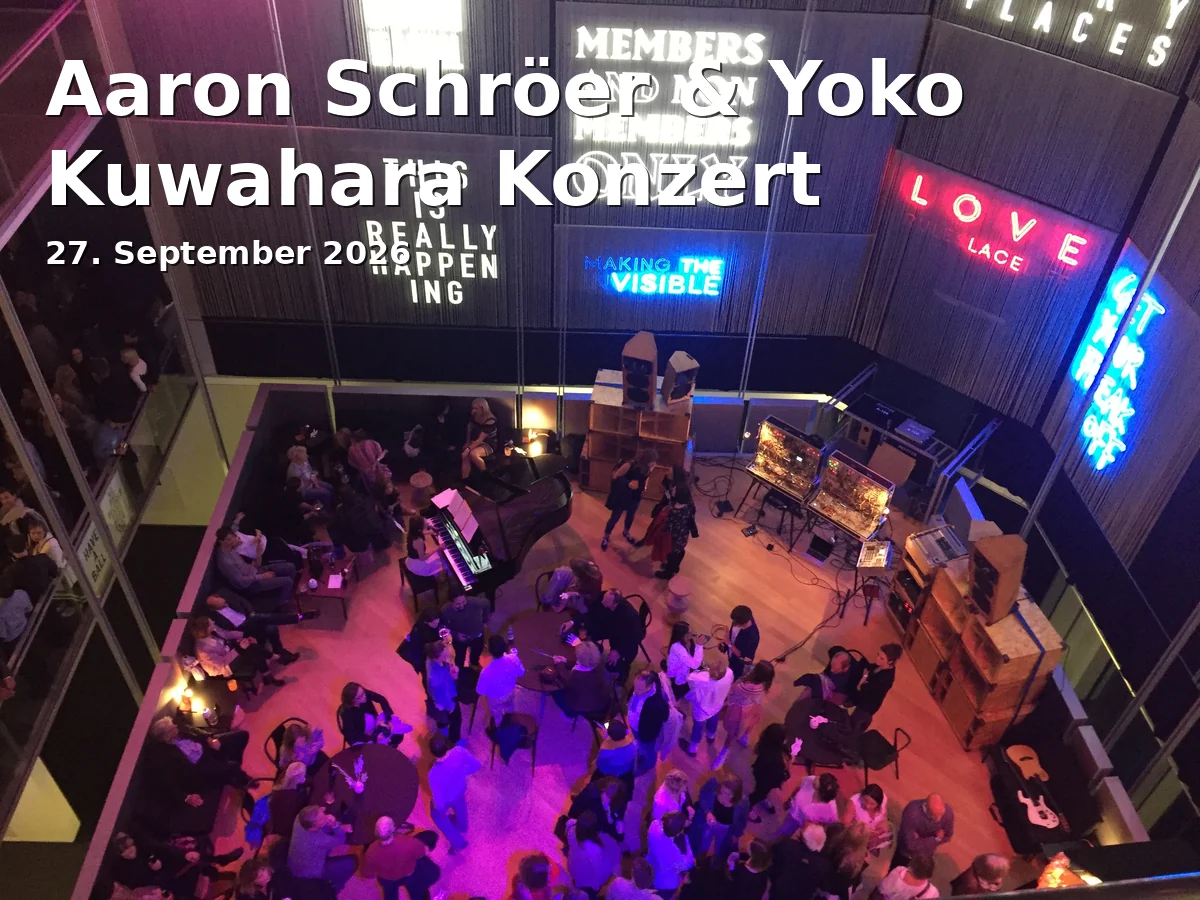
Aaron Schröer & Yoko Kuwahara Concert
Visit the concert of Aaron Schröer & Yoko Kuwahara at the Beethovenfest Bonn. An evening of classical music awaits you.
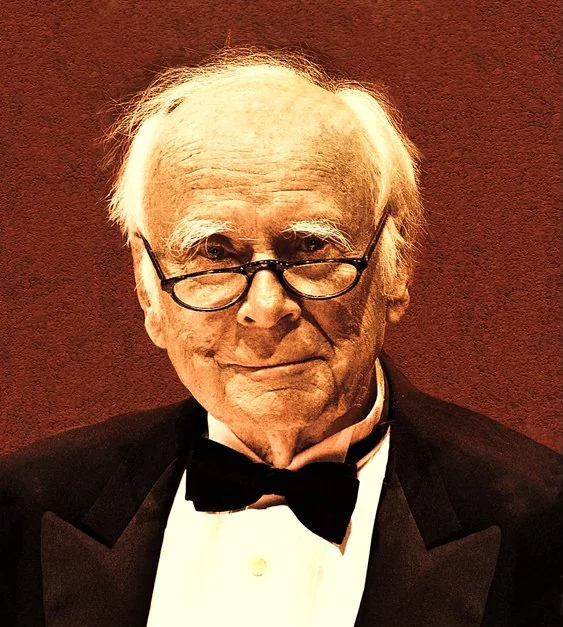
Loriot: Scenes from a Marriage
An evening full of Loriot wit and fine observation in the Beethoven Hall Bonn. Senta Berger and Friedrich von Thun bring marriage comedy to life. 30.10.2026, from €59.90. #Theater #Loriot

Don't joke about opera: Olli Schulz – Alone in Your City Tour 2026
Bonn is getting an evening full of songs, stories, and quirky punchlines: Olli Schulz at Beethoven Hall. 04.11.2026, from 52 €. #ComedyLive

Diaries of Note
An evening full of artistry and emotion in Bonn: Diaries of Note brings diaries, voices, and great literature to the Beethovenhalle. #Literature
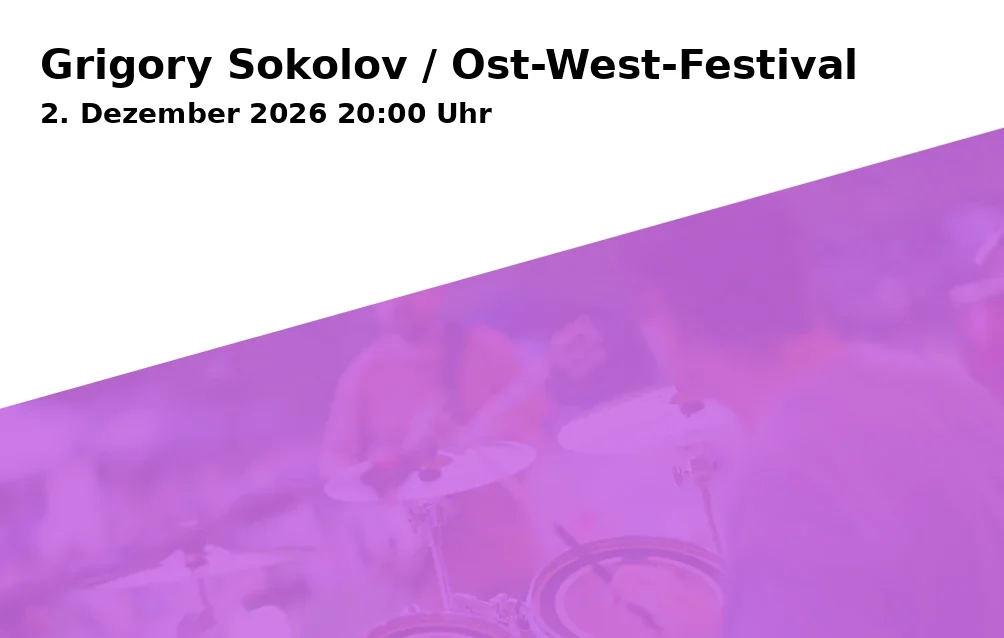
Grigory Sokolov / East-West Festival
A grand piano evening for Bonn: Grigory Sokolov brings the East-West Festival to the Beethoven Hall. Entry into the world of great interpretation. #Bonn #Piano
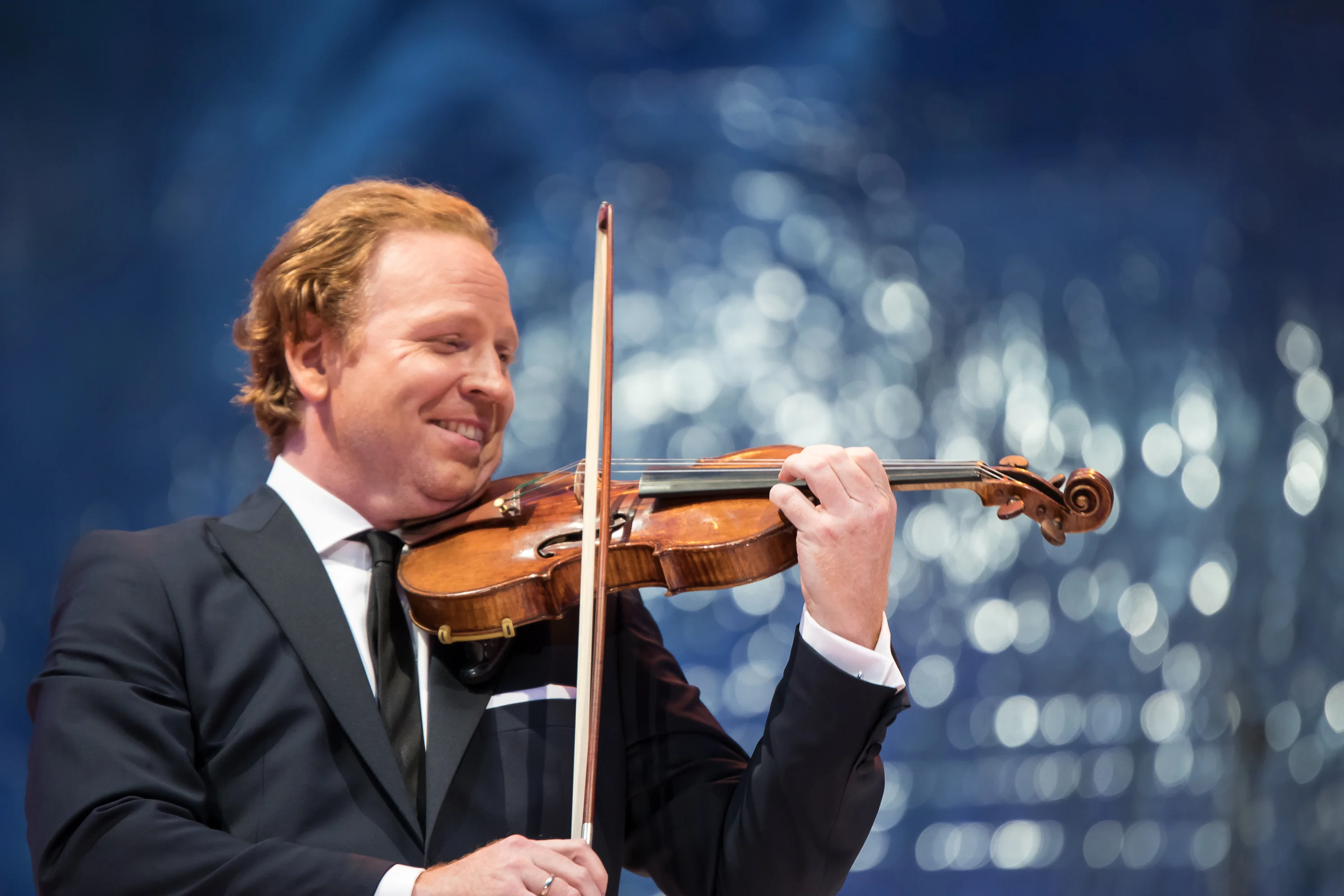
International Stars on the Rhine: Classical Music for Bonn
Festive classical music on the Rhine: Daniel Hope opens Bonn's new concert series in Beethovenhalle. An evening full of stars, sound, and Christmas magic. #Bonn #Classical
Three Hazelnuts for Cinderella - The Original Film with Live Orchestra
A winter fairy tale that touches live: Three Hazelnuts for Cinderella with orchestra in Beethoven Hall Bonn. 20.12.2026, starting at 60.40 €. #Bonn #Culture
Frequently Asked Questions
Reviews
Nazlı Yaldır
18. January 2026
I am not an expert but the hall is poorly designed for watching a stage. The chairs are all on the same level, so people sitting further back do not get any height advantage. In most of the halls I visited, the floor rise or the seating was stepped up as you go away from the stage. That way, each row can see over the row in front.
Katie Wilson
24. December 2025
The wait for the reopening of Bonn’s Beethovenhalle has truly been worth it. With the return of the Beethoven Orchestra Bonn to its home venue, the hall once again feels like a musical living room for the city. The sound experience is outstanding, offering excellent acoustics that allow both delicate nuances and powerful orchestral moments to shine. Visually, the Beethovenhalle is equally impressive: the modern lighting design with its rich play of colors creates a striking and atmospheric setting. Bonn has regained a remarkable music and concert venue. The Beethovenhalle shines once again in its former glory, combining timeless elegance with a contemporary touch.
Zenzele Ndebele
23. June 2026
A remarkable venue that beautifully reflects the city's deep connection to Ludwig van Beethoven. Situated along the Rhine, the hall combines striking architecture with a rich cultural atmosphere, making it a must-visit destination for music lovers and visitors alike. I was impressed by the excellent acoustics, which create an immersive experience whether attending a classical concert, conference, or special event. The recent renovations have modernised the facilities while preserving the building's historic character and significance.
Niels Of Steel
26. January 2026
It's baffling this place was recently renovated, apparently against great costs, yet only a half decent job was done. Not making use to install raised seating is a big miss. Furthermore, selling front row tickets at full price, whilst at least half the seats, the outsides, don’t even have a view of the stage, let alone a full one. For a ballet, they shouldn’t be sold in the first place. For anything else, only at a greatly reduced price. With the floor being fully flat, selling row 15 tickets halfway in, for the same price as front row tickets, it's clear they're grabbing for pennies. The same goes for having to pay 2 Euros for having your coat be hung in the wardrobe. Cash only.... What year is this? The acoustics were impressive though, would still prefer it over a Mitsubishi Electric Halle, however, that isn’t a very high bar to beat. I truly recommend management to reconsider their ticket prices (compared to seat location), and visitors to be aware that it you're going to see a ballet, either get front row seats (Parkett Mitte, avoid Parkett rechts, parket links the inside 5 seats max), balcony, or accept you won't see much.
Stone Cutter
6. April 2026
There is a restaurant at the riverside. One could enjoy the view and sunshine.