Leonard Cohen
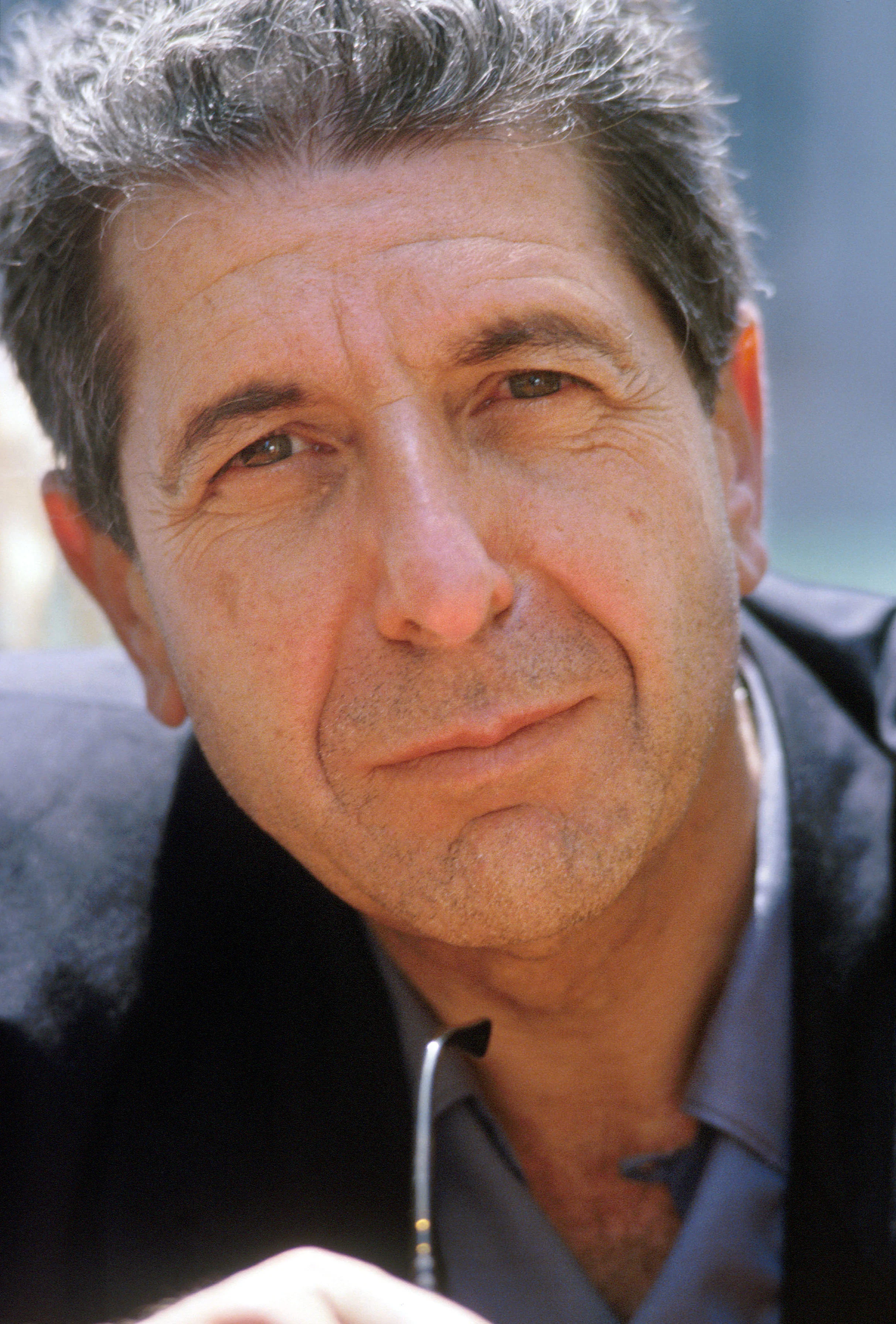
Image from Wikipedia
Image from Wikipedia
Leonard Cohen – The Dark Elegance of a Great Song Poet
An Artist Biography Between Poetry, Spirituality, and Timeless Musicality
Leonard Cohen is considered one of the defining voices of pop and song culture in the 20th century. The Canadian singer-songwriter, writer, poet, and painter merged literature and music into an unmistakable body of work that thrives on melancholy, questions of faith, love, and human vulnerability. His career did not begin on stage but in literature; it was not until 1967 that he released his debut album Songs of Leonard Cohen, making him internationally known as a musician. ([britannica.com](https://www.britannica.com/biography/Leonard-Cohen))
From Montreal to the World: The Literary Beginnings
Leonard Norman Cohen was born on September 21, 1934, in Westmount, near Montreal. He developed early on as an author with a distinct voice, initially making a name for himself in Canada with poetry and novels. His cult novel Beautiful Losers became an international bestseller in 1966, solidifying his reputation as a literary boundary-crosser and preparing the way for his transition to music. ([britannica.com](https://www.britannica.com/biography/Leonard-Cohen?utm_source=openai))
This dual identity remained his artistic hallmark: Cohen was never just a singer, never just a poet, but a storyteller with musical potency. His lyrics read like condensed short stories, and his compositions resemble literary miniatures with precise dramaturgy. It was this connection of language, arrangement, and interpretative restraint that made him an exceptional figure in modern music history. ([britannica.com](https://www.britannica.com/biography/Leonard-Cohen))
The Breakthrough as a Singer-Songwriter
With Songs of Leonard Cohen, a turning point in his artistic career was reached in 1967. The album produced the songs Suzanne and So Long, Marianne, establishing Cohen as the voice of introspective folk-pop. The recording became a commercial success, achieved Gold status, and paved the way for a music career that was to last nearly five decades. ([en.wikipedia.org](https://en.wikipedia.org/wiki/Leonard_Cohen_discography))
Cohen's singing was noted early on for its deep baritone and the sober, often almost spoken phrasing. Not everyone reacted enthusiastically to this reduced form of presentation at first, but precisely the distance, the understatement, and the controlled emotion gave his songs a unique radiance. Critics repeatedly described him as a songwriter of extraordinary emotional intensity; his songs felt like spiritual protocols in elegant form. ([britannica.com](https://www.britannica.com/biography/Leonard-Cohen))
Between Folk, Pop, and Existential Poetry
In the 1970s, Cohen deepened his style and expanded his repertoire with sonically richer and thematically more complex works. Albums like Live Songs (1973) and New Skin for the Old Ceremony (1974) solidified his reputation as a sensitive chronicler of desire, loss, and spiritual searching. The song Chelsea Hotel No. 2 is one of the most well-known examples of his ability to connect biographical observation with dense imagery. ([britannica.com](https://www.britannica.com/biography/Leonard-Cohen))
His lyrical worlds also grew larger and dramaturgically more complex. Cohen worked with arrangements that, despite their restraint, created immense inner tension, and he deliberately used sparse instrumentation as a contrast to his poetic language. This balance between reduction and depth made him a master of musical minimalism with maximum emotional impact. ([britannica.com](https://www.britannica.com/biography/Leonard-Cohen))
Setbacks, Rediscovery, and Late Triumph
After periods of success, he faced artistic setbacks. The album Death of a Ladies' Man (1977), produced by Phil Spector, only partially aligned with Cohen's reserved aesthetic due to its opulent sound. In the 1980s, he temporarily fell out of the pop discourse's center. However, in 1988, he made a striking comeback with I’m Your Man; songs like First We Take Manhattan and Everybody Knows ushered him into a new era and made his songs accessible to a younger audience. ([britannica.com](https://www.britannica.com/biography/Leonard-Cohen))
Particularly, Hallelujah transformed from an initially underestimated album track on Various Positions into one of the most covered songs in pop history. Its later popularity through numerous cover versions demonstrated how profoundly Cohen's writing resonated beyond the boundaries of his own repertoire. From a single song emerged a cultural resonance space oscillating between sacred imagery, vulnerability, and transcendence. ([britannica.com](https://www.britannica.com/biography/Leonard-Cohen))
The Late Phase: Return to the Stage and Late Albums
After a lengthy break, Cohen returned to the stage in 2008, touring extensively for the first time in 15 years. These concerts confirmed his presence as a live artist: despite his age, he appeared vital, focused, and stylistically fully in control. The tour also helped him recover financial losses after his former manager embezzled significant amounts. ([britannica.com](https://www.britannica.com/biography/Leonard-Cohen))
Late studio albums like Ten New Songs (2001), Dear Heather (2004), Old Ideas (2012), Popular Problems (2014), and You Want It Darker (2016) showcase an artist who continuously distilled his means of expression. Especially Old Ideas and Popular Problems achieved high positions in the album charts, demonstrating how strongly Cohen's work still resonated in his later years. His last studio album was released just 19 days before his death in November 2016. ([britannica.com](https://www.britannica.com/biography/Leonard-Cohen))
Discography, Achievements, and Cultural Reach
Throughout his career, Leonard Cohen released 14 studio albums, several live albums, and compilations; the discography reveals a remarkable continuity between literary ambition and musical precision. Key albums include Songs of Leonard Cohen, Songs from a Room, Songs of Love and Hate, New Skin for the Old Ceremony, Various Positions, I’m Your Man, The Future, Old Ideas, Popular Problems, and You Want It Darker. ([en.wikipedia.org](https://en.wikipedia.org/wiki/Leonard_Cohen_discography))
Cohen also remained relevant in the charts. In Germany, he achieved a top-ten success with Lover Lover Lover in the singles charts, while his albums remained in high demand over the decades. Worldwide, his recordings sold over six million copies; additionally, he received numerous awards, including nine Juno Awards, the Order of Canada, the Ordre national du Québec, the Prince of Asturias Award for Literature, and a posthumous Grammy in 2018. ([britannica.com](https://www.britannica.com/biography/Leonard-Cohen?utm_source=openai))
Style, Themes, and Artistic Signature
Cohen's work thrives on a unique blend of poetry, spiritual symbolism, and sober observation. His lyrics revolve around love, friendship, the meaning of life, human suffering, death, and spirituality, without ever tipping into pathos. This controlled emotionality made him a songwriter whose works resonate equally on stage, on record, and in literature. ([britannica.com](https://www.britannica.com/biography/Leonard-Cohen?utm_source=openai))
Musically, Cohen often preferred reduced arrangements that allowed space for his voice and the lyrics. Even when later productions featured more sonic layers, the underlying concept remained the same: the song serves the word, not vice versa. This discipline explains why his music is seen as a reference for sophisticated songwriting across generations and has been covered by countless artists. ([britannica.com](https://www.britannica.com/biography/Leonard-Cohen))
Aftermath and Late Echo
Even after his death, Cohen's work remained present. The official website released the posthumous album Thanks for the Dance in 2019, based on recordings begun by Cohen and completed by Adam Cohen with companions. In 2021, the video for Puppets was released, and in 2022, a career-spanning anthology titled Hallelujah & Songs from His Albums was launched, once again consolidating his canon. ([leonardcohen.com](https://www.leonardcohen.com/))
These late releases underscore the enduring cultural power of his oeuvre. Leonard Cohen remains not only an icon of folk and poetic pop music but also a benchmark for artistic integrity, linguistic precision, and emotional truthfulness. Those who experienced his music live did not witness just a concert but a precisely staged encounter with existential questions. ([leonardcohen.com](https://www.leonardcohen.com/))
Conclusion: Why Leonard Cohen Continues to Fascinate Today
Leonard Cohen is fascinating because he effortlessly brings together contrasts: literary high language and popular form, spiritual depth and worldly closeness, restraint and emotional weight. His work possesses the rare power to function both as a discography and as a space for contemplation. Those who listen to his songs encounter not just a singer but a great chronicler of human experience. ([britannica.com](https://www.britannica.com/biography/Leonard-Cohen))
For this reason, Leonard Cohen remains an artist to be rediscovered time and again. His albums unfold with each encounter, his lyrics reveal new layers, and his stage presence in the late career became a lesson in dignity and precision. Experiencing him live meant watching a master of songwriting at work – calm, uncompromising, and irresistible. ([britannica.com](https://www.britannica.com/biography/Leonard-Cohen))
Official Channels of Leonard Cohen:
- Instagram: https://leonardcohen.lnk.to/InstagramAW?link=instagram.com
- Facebook: https://www.facebook.com/leonardcohen/
- YouTube: https://leonardcohen.lnk.to/YouTubeChannelAW?link=youtube.com
- Spotify: no official profile found
- TikTok: https://www.tiktok.com/@leonardcohen.official
Sources:
Upcoming Events
Hallelujah & Schalom – a Leonard Cohen Evening
Hallelujah, Leonard Cohen! - The Spirituality of the Song Poet

Tribute to Leonard Cohen
Best-Of-Weinerlebnis: The Leonard Cohen Project - Songs of Love and Hate