
Christoph Willibald Gluck
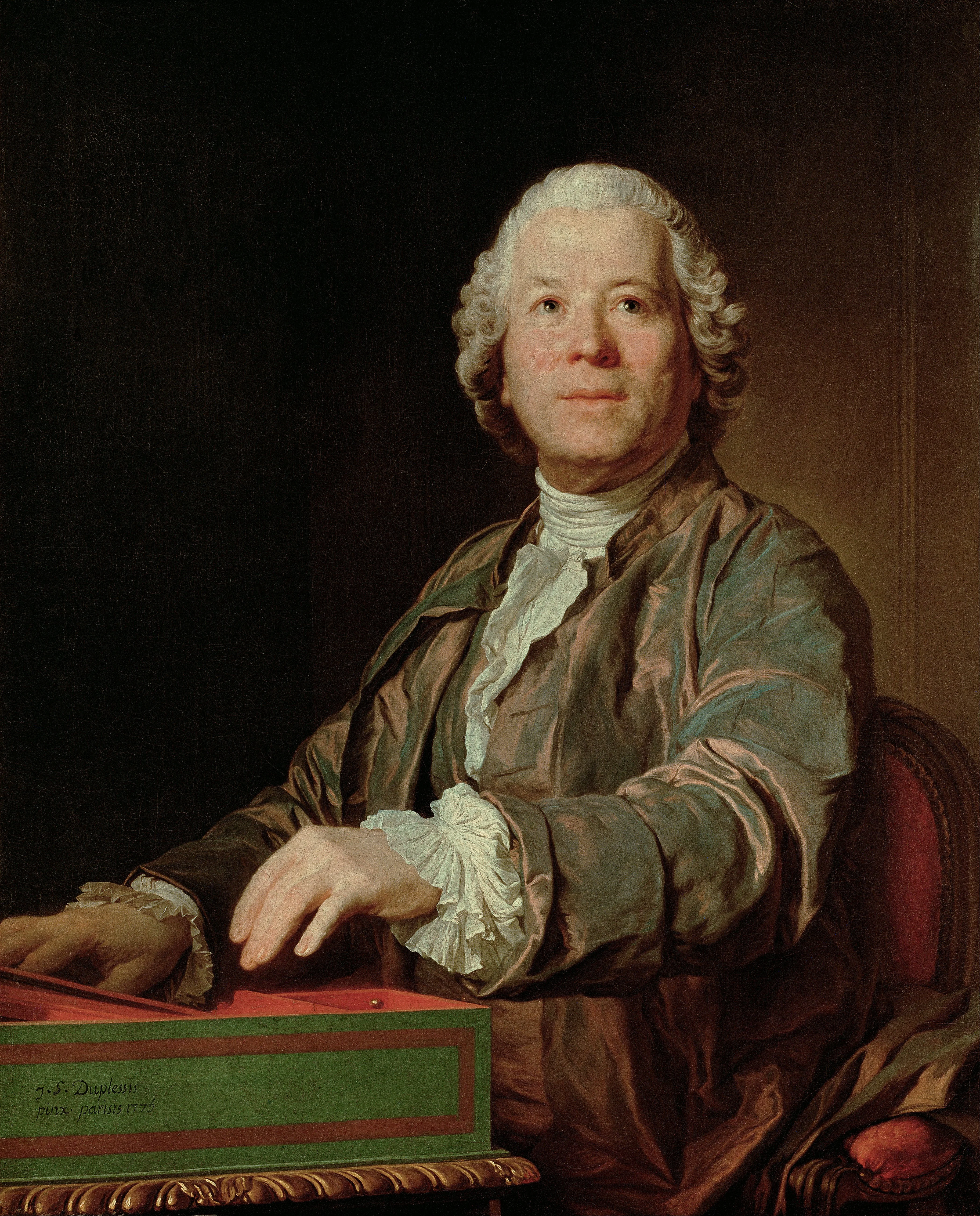
Image from Wikipedia
Image from Wikipedia
Christoph Willibald Gluck – The Reform Composer Who Redefined Opera
A Life Between Courtly Splendor, Musical Revolution and European Fame
Christoph Willibald Gluck is considered one of the defining opera composers of the 18th century and is regarded as a central figure in the opera reform movement. Born on July 2, 1714, in Erasbach near Berching, he grew up in a world that initially intended him for a career in forestry, before his passion for music prevailed. His path took him from Bohemia through Prague, Milan, London, and Vienna to Paris, where he permanently changed the course of opera history with his reform operas. ([gluck-gesamtausgabe.de](https://www.gluck-gesamtausgabe.de/projekt/gluck/biographie.html))
Early Years: From Forester's Son to Musical Outsider
Gluck came from a family of foresters, yet he showed a strong inclination toward music from an early age. The conflict with his father, who also wanted him to pursue forestry, drove him away from home and toward a career as a musician. In Prague, he played in churches and began a university education before deepening his training in Vienna and later in Milan. There, he studied under Giovanni Battista Sammartini, developing the stylistic confidence that would characterize his later operas. ([gluck-gesamtausgabe.de](https://www.gluck-gesamtausgabe.de/projekt/gluck/biographie.html))
The early successes in opera came quickly: With Artaserse, Gluck celebrated his first major dramatic breakthrough in Milan in 1741. Subsequent works for Italian stages followed, including Demofoonte, Arsace, Sofonisba, and Ippolito. He was still working within the framework of the then-dominant opera seria, yet even these early scores reveal a sensitivity for dramatic tension and character development. ([britannica.com](https://www.britannica.com/biography/Christoph-Willibald-Gluck))
The Path to Vienna: Career, Court Service and Courtly Successes
After stops in London, Dresden, Vienna, and Prague, Gluck settled permanently in Vienna and entered the service of the court. There he first became concertmaster and later court conductor for Prince Joseph Friedrich of Sachsen-Hildburghausen. During this phase, he wrote not only operas but also symphonies, arias, ballets, and occasional works for court festivities and ceremonies. His position at the Viennese court afforded him influence, visibility, and the conditions for his aesthetic reorientation. ([britannica.com](https://www.britannica.com/biography/Christoph-Willibald-Gluck))
In 1756, Gluck received the Order of the Golden Spur in Rome and from then on held the title of Knight von Gluck. This not only marked a biographical turning point but also a further step toward international recognition. At the same time, he experimented with French-influenced forms such as the Opéra-comique and sharpened his profile as a composer who consciously crossed stylistic boundaries. This versatility made him one of the most interesting theater composers of his time. ([gluck-gesamtausgabe.de](https://www.gluck-gesamtausgabe.de/projekt/gluck/biographie.html))
The Opera Reform: Simplicity, Truth, and Dramatic Concentration
Gluck’s name still stands for the reform of opera. Together with the librettist Ranieri de’ Calzabigi, choreographer Gasparo Angiolini, and theater director Giacomo Durazzo, he sought in Vienna a new connection between drama, music, and movement. The ballet pantomime Don Juan from 1761 and, above all, Orfeo ed Euridice from 1762 became turning points in the history of opera because they abstained from theatrical overload in favor of immediate dramatic truth. ([gluck-gesamtausgabe.de](https://www.gluck-gesamtausgabe.de/projekt/gluck/biographie.html))
With Alceste and later Paride ed Elena, Gluck articulated his reformist aesthetics even more clearly. The preface to the printed edition of Alceste made clear what he aimed for: simplicity, naturalness, and a closer connection between music and action. The accompaniment of the recitative, the stronger role of the chorus and orchestra, and the reduction of ornamental virtuosity aimed at an opera in which the expression of the scene took precedence over mere vocal brilliance. ([gluck-gesamtausgabe.de](https://www.gluck-gesamtausgabe.de/projekt/gluck/biographie.html))
Paris and the Gluck-Piccinni Controversy: Fame, Polemics, and Artistic Authority
In 1773, Gluck traveled to Paris and entered into a contract for six works with the Académie royale de musique. There he created his decisive French operas of his late works, including Iphigénie en Aulide, Orphée et Euridice, Alceste, Armide, and Iphigénie en Tauride. Especially Iphigénie en Tauride exceeded contemporary expectations and is considered the pinnacle of his French phase. ([gluck-gesamtausgabe.de](https://www.gluck-gesamtausgabe.de/projekt/gluck/biographie.html))
His years in Paris not only made Gluck famous but also controversial. His operas sparked a heated debate between supporters of his reform aesthetic and admirers of the Italian opera, with Niccolò Piccinni becoming a counterfigure in the musical dispute. This controversy shaped the French press and solidified Gluck’s reputation as a composer of European standing, who redefined opera as a dramatic art form. ([gluck-gesamtausgabe.de](https://www.gluck-gesamtausgabe.de/projekt/gluck/biographie.html))
Discography and Work Profile: Operas, Ballet Music, and Vocal Art
There is no classical discography in the modern sense for Gluck, but rather a dense body of work comprising operas, ballet inserts, instrumental pieces, and sacred works. His most famous stage works include Orfeo ed Euridice, Alceste, Paride ed Elena, Iphigénie en Aulide, Armide, and Iphigénie en Tauride. These works form the core of his posthumous reputation and show the evolution from a courtly opera composer to a reformer of musical theater. ([britannica.com](https://www.britannica.com/biography/Christoph-Willibald-Gluck))
Even beyond the major operas, Gluck left a remarkable repertoire. Sources mention opera serenades, opéras-comiques, ballet music, odes, and songs, as well as the sacred work De profundis clamavi. Altogether, this creates the image of a composer not confined to a single genre but who productively utilized the expressive forms of theater, court music, and chamber music alike. ([gluck-gesamtausgabe.de](https://www.gluck-gesamtausgabe.de/projekt/gluck/biographie.html))
Musical Language: Dramaturgy Instead of Mere Virtuosity
Gluck’s style is characterized by a consciously condensed musical language. Instead of endless embellishments and schematic da capo arias, he sought musical truth, text-close declamation, and an organic connection between scene and sound. The chorus gained dramatic weight, the orchestra descriptive power, and even the overture was intended to prepare the content of the opera rather than merely serve as a formal introduction. ([gluck-gesamtausgabe.de](https://www.gluck-gesamtausgabe.de/projekt/gluck/biographie.html))
This aesthetic made Gluck a pioneer of the Classical period and a model for later opera composers. His works influenced the development of opera from baroque representative art toward a dramatically concentrated musical form committed to the expression of the action. In music history, he thus stands at a pivot point between tradition and modernity. ([britannica.com](https://www.britannica.com/art/opera-music/From-the-reform-to-grand-opera?utm_source=openai))
Cultural Influence: A Reformer with Lasting Impact Beyond His Time
Gluck’s significance extends far beyond individual successful operas. He became the epitome of the opera reform and created a model to which later composers and music theorists could refer. His ideas affected French opera, influenced Mozart, and subsequently impacted Berlioz and Wagner, who regarded Gluck as a forerunner of a serious, dramatically motivated musical theater language. ([britannica.com](https://www.britannica.com/art/opera-music/From-the-reform-to-grand-opera?utm_source=openai))
Modern reception also recognizes him as a composer of European stature. The Gluck Complete Edition and the Gluck Festivals pay tribute to his work and emphasize his humanistic, Enlightenment dimension. It is this combination of artistic rigor, emotional depth, and dramatic concentration that keeps his operas a central reference point for singers, conductors, and opera houses today. ([gluck-gesamtausgabe.de](https://www.gluck-gesamtausgabe.de/projekt/gluck/biographie.html))
Current Projects and Publications in the Context of Gluck
Since Christoph Willibald Gluck died in 1787, there are no current projects of the artist in the strict sense. The present activity rather concerns editions, research, and performance projects surrounding his work. The Gluck Complete Edition continuously documents the biographical and historical foundations, while the Gluck Festivals in 2024 emphasize the continuing relevance of his music with their own program. ([gluck-gesamtausgabe.de](https://www.gluck-gesamtausgabe.de/projekt/gluck/biographie.html))
The Bärenreiter publishing house also refers in its announcements of new releases to musicological work related to Gluck, demonstrating the continued editorial and scholarly engagement with his oeuvre. This gives a current picture: Gluck remains not only part of the repertoire but also a subject of research and a living reference for the opera practice of today. ([emag.baerenreiter.com](https://emag.baerenreiter.com/wp-content/uploads/2024/12/Baerenreiter_New_Publications_2-2024.pdf?utm_source=openai))
Conclusion: Why Gluck Continues to Fascinate Today
Christoph Willibald Gluck is compelling because he did not merely compose opera; he rethought it. He combined dramatic truth, musical economy, and human intensity into a form of art that continues to set standards today. Those who experience Gluck live encounter not only classical music but a turning point in cultural history, where true theatrical truth emerged from courtly splendor. ([gluck-gesamtausgabe.de](https://www.gluck-gesamtausgabe.de/projekt/gluck/biographie.html))
Official Channels of Christoph Willibald Gluck:
- Instagram: no official profile found
- Facebook: no official profile found
- YouTube: no official profile found
- Spotify: no official profile found
- TikTok: no official profile found
Sources:
- Gluck Complete Edition – Biography
- Encyclopaedia Britannica – Christoph Willibald Gluck
- Deutsche Grammophon – Christoph Willibald Gluck Biography
- Britannica – From the reform to grand opera
- Oxford Bibliographies in Music – Christoph Willibald Ritter Von Gluck
- Gluck Festivals 2024 – Program Preview
- Bärenreiter – New Publications
- Wikipedia: Christoph Willibald Gluck