
BBC Symphony Orchestra
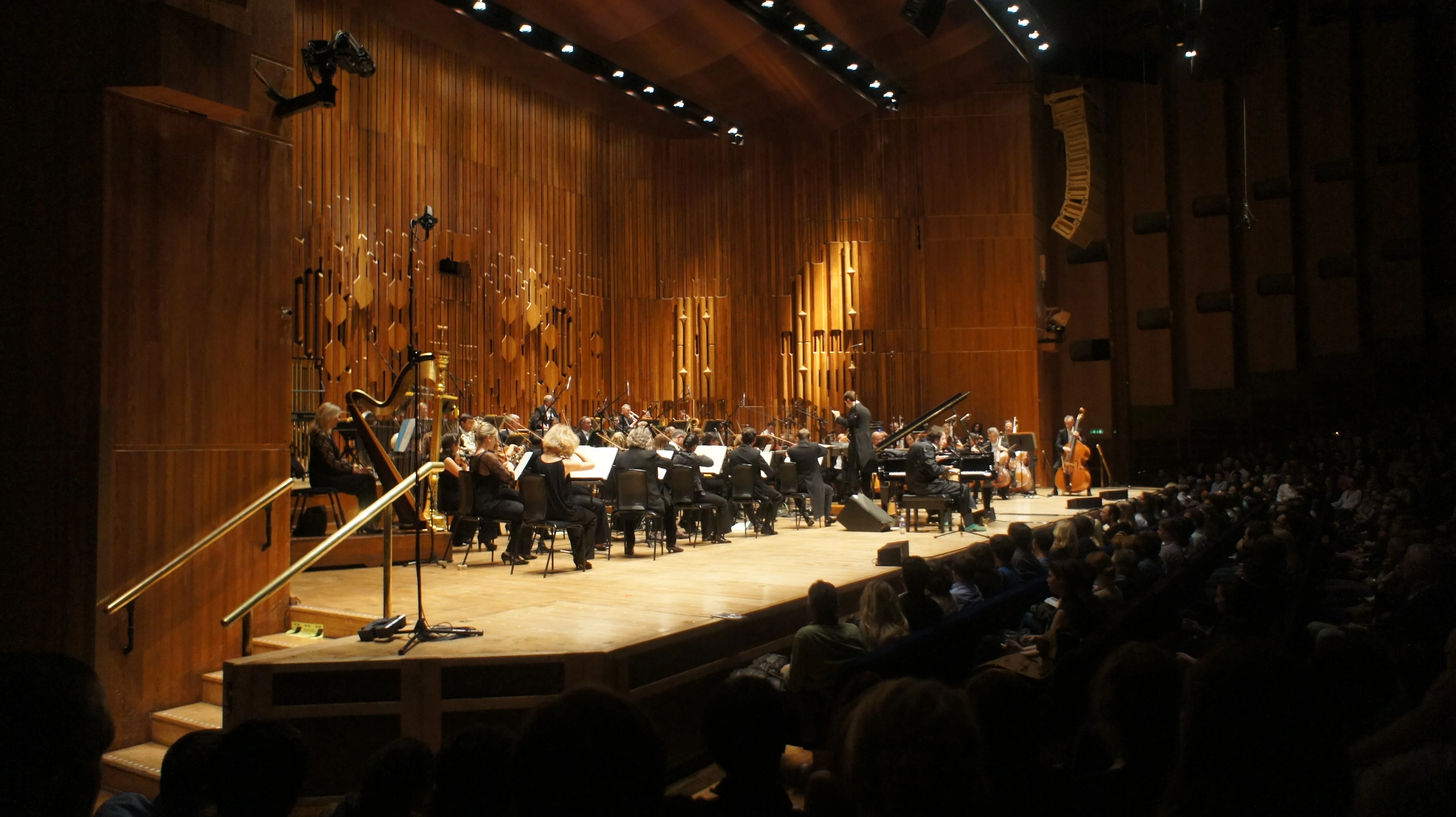
Image from Wikipedia
Image from Wikipedia
BBC Symphony Orchestra – British Sound Power between Tradition, Contemporary and the Grand Stage
An orchestra that shapes the BBC and has been shaping the Proms for decades
The BBC Symphony Orchestra is one of the most significant orchestras in Great Britain and stands at the center of British musical life as the main orchestra of the British Broadcasting Corporation. Since its founding, it has established itself not only as a powerful interpreter of the classical repertoire but also as a determined promoter of contemporary music and rarely performed works. The orchestra is particularly closely associated with the BBC Proms at the Royal Albert Hall, where it regularly shapes the first and last night of the festival. ([en.wikipedia.org](https://en.wikipedia.org/wiki/BBC_Symphony_Orchestra))
Biographical Beginnings: An Orchestra Born from Broadcasting Ideals and Artistic Ambition
The history of the BBC Symphony Orchestra begins in 1928 as a joint project of the BBC and conductor Sir Thomas Beecham, who left the project the following year. The actual development work was then taken over by Adrian Boult as the BBC's music director, who shaped the ensemble and gave it a clear artistic profile early on. Even in its early years, the orchestra attracted outstanding guest conductors; among them was Arturo Toscanini, who described the ensemble as the best orchestra he had ever conducted. This early recognition set a standard that the orchestra can still be measured against today. ([en.wikipedia.org](https://en.wikipedia.org/wiki/BBC_Symphony_Orchestra))
The early development of the orchestra is closely tied to broadcasting. Even in the phase before and after its official establishment, the musicians were trained for a broadcast-ready orchestral sound, and with the first recordings, an ensemble emerged that was meant not only for the concert hall but also for microphones and studios. This dual role continues to shape the identity of the BBC Symphony Orchestra today: publicly present on the grand stages and deeply rooted in the broadcast context of the BBC. ([en.wikipedia.org](https://en.wikipedia.org/wiki/BBC_Symphony_Orchestra))
Career and Profile: The Orchestra of the Proms and a Driving Force for New Music
The BBC Symphony Orchestra is the resident orchestra of the BBC Proms and performs regularly there each season, including the First and Last Night. The role is more than representative: it makes the ensemble a central part of the musical summer in Great Britain and anchors it in a festival that gains international attention. At the same time, the BBC ensures exceptionally high visibility, as most concerts are broadcast on BBC Radio 3 and BBC Sounds, with many productions also available online. ([en.wikipedia.org](https://en.wikipedia.org/wiki/BBC_Symphony_Orchestra))
In its artistic development, the orchestra has focused on contemporary works and discovery for decades. The repertoire includes not only symphonies and classics from the classical, romantic, and modern periods but also premieres, total immersion projects, and programs that explore entire worlds of composers. This consistent combination of historical authority and contemporary orientation makes the BBC Symphony Orchestra a cultural leading ensemble that not only preserves but constantly expands. ([en.wikipedia.org](https://en.wikipedia.org/wiki/BBC_Symphony_Orchestra))
Current Projects and Releases: Presence in the 2026/27 Season
In the 2026/27 season, the BBC Symphony Orchestra remains musically present. Twelve concerts are announced for the Proms, including performances under Principal Guest Conductor Dalia Stasevska, who opens the festival with the First Night, as well as central evenings with Chief Conductor Sakari Oramo, who shapes the concerts featuring Mahler, Dvořák, and the Last Night performance. Additionally, the orchestra is making significant statements with new music, including premieres by Dani Howard and Mark-Anthony Turnage, as well as collaborations with Jules Buckley and Altın Gün. ([bbcinsight.pages.dev](https://bbcinsight.pages.dev/programmes/articles/360b89da-2052-4889-b91c-218793873617))
The Barbican season 2026/27 also showcases the breadth of the ensemble. Sakari Oramo will conduct seven concerts encompassing works from Liszt and Berlioz to premieres by Britta Byström and Charlotte Bray. Programs under Dalia Stasevska will feature Caroline Shaw and John Adams, alongside thematic total immersion days focusing on music and well-being, Rebecca Saunders, and the world of Tove Jansson and the Moomins. This mix of canonical substance and aesthetic curiosity demonstrates how modern a traditional orchestra can sound. ([bbcinsight.pages.dev](https://bbcinsight.pages.dev/programmes/articles/360b89da-2052-4889-b91c-218793873617))
Discography and Reception: Studio Work, Radio 3, and Musical Authority
The BBC Symphony Orchestra does not have a classic hit discography in the pop sense; its discography is marked more by radio productions, studio recordings, and programmatic recordings. Under Boult, the orchestra recorded a wide repertoire from Bach to Mozart, Beethoven, Brahms, Wagner, and Elgar, while later generations expanded their work with contemporary composers and composition residencies. Even today, studio recordings for BBC Radio 3 remain a core area of work, and many recording sessions are accessible to the public. ([en.wikipedia.org](https://en.wikipedia.org/wiki/BBC_Symphony_Orchestra))
The critical reception of the orchestra is closely linked to its stance towards modernity. The BBC itself describes the ensemble as a "driving force" in British musical life, promoting new works and giving voice to overlooked composers. In the perception of music journalism, the BBC Symphony Orchestra thus represents not only excellence in the standard repertoire but also interpretational authority, stylistic flexibility, and a cultural mandate. This combination grants the orchestra its unique status. ([bbcinsight.pages.dev](https://bbcinsight.pages.dev/programmes/articles/360b89da-2052-4889-b91c-218793873617))
Musical Development and Style: From Classical Discipline to Aesthetic Openness
The sound of the BBC Symphony Orchestra combines precise articulation with a wide dynamic range. In the classical repertoire, the ensemble appears structurally clear and rhythmically vibrant; in late romantic music, it is often expansive and rich in color, while in contemporary music, it is transparent and analytical. This versatility explains why the orchestra frequently impresses with both grand symphonic statements and experimental formats, word-music evenings, and thematic programs. ([en.wikipedia.org](https://en.wikipedia.org/wiki/BBC_Symphony_Orchestra))
Particularly significant is the cultivation of projects that place composers within the context of their works. Total Immersion days, premieres, and thematic concert series make the BBC Symphony Orchestra more than just a performing orchestra: it becomes a mediator of musical history and contemporary music. The ensemble thus fulfills a role that is rarely achieved with such consistency in the British classical landscape. ([downloads.bbci.co.uk](https://downloads.bbci.co.uk/radio3/orchestras/symphonyorchestra/BBCSO_Barbican_6Oct_OramoMahler.pdf))
Cultural Influence: Broadcasting, Education, and Public Reach
The cultural influence of the BBC Symphony Orchestra extends far beyond the concert hall. The orchestra works with schools, families, and young musicians, supports programs such as BBC Ten Pieces and BBC Young Composer, and takes an active role in music education. Additionally, it has a strong media presence, with concerts broadcast on BBC Radio 3, BBC Sounds, and sometimes also on BBC iPlayer. This presence makes the ensemble a public educational actor and a musical ambassador for the BBC. ([bbcinsight.pages.dev](https://bbcinsight.pages.dev/programmes/articles/360b89da-2052-4889-b91c-218793873617))
Moreover, its historical significance as a representative of British orchestral culture cannot be overstated. The BBC Symphony Orchestra has acquainted generations of listeners with the sound of the Proms summer and has shaped the reception of composers from the 20th and 21st centuries. Its authority derives not only from age and continuity but also from its ability to connect repertoire, innovation, and public education. ([en.wikipedia.org](https://en.wikipedia.org/wiki/BBC_Symphony_Orchestra))
Conclusion: Why the BBC Symphony Orchestra Remains So Exciting
The BBC Symphony Orchestra is exciting because it does not treat tradition as a museum piece but rather understands it as a living commitment. It represents great British orchestral culture, the energy of the Proms, the nurturing of the canon, and at the same time, bold programming towards the present and future. Experiencing the orchestra live means encountering a body with history, attitude, and enormous stage presence. This is where its particular fascination lies. ([bbcinsight.pages.dev](https://bbcinsight.pages.dev/programmes/articles/360b89da-2052-4889-b91c-218793873617))
A concert by the BBC Symphony Orchestra offers not only musical quality at the highest level but also a sense of the cultural role of an orchestra that resonates far beyond the evening. Therefore, it is worthwhile to experience the ensemble live: as an institution, as a musical body, and as a living voice of British music history. ([bbcinsight.pages.dev](https://bbcinsight.pages.dev/programmes/articles/360b89da-2052-4889-b91c-218793873617))
Official Channels of BBC Symphony Orchestra:
- Instagram: https://www.instagram.com/bbcsymphonyorchestra/
- Facebook: https://www.facebook.com/BBCSO/
- YouTube: no official profile found
- Spotify: no official profile found
- TikTok: no official profile found