
Kennedyallee 40, Bonn
Kennedyallee 40, 53175 Bonn, Germany
German Research Foundation Bonn | Address & Directions
The German Research Foundation e.V. in Bonn is much more than just a name on a doorbell. It is Germany's largest research funding organization and central self-administration organization for science and humanities. From its headquarters in Bonn, the DFG supports committees, reviews research proposals, manages funding programs, and shapes the framework for basic research and international collaboration. Therefore, when someone looks for the DFG in Bonn, they usually mean an institution of high scientific significance, clear visitor information, and a very precise location logic. The official address at Kennedyallee 40 is located in the southern part of Bonn, in the Bad Godesberg area, and is designed to be accessible by both public transport and car. Additionally, there are indications for barrier-free access, visitor pathways, contact points, and internal meeting rooms. This combination of administrative function, scientific relevance, and practical orientation makes the DFG office a location that should be described factually, compactly, and user-friendly. ([dfg.de](https://www.dfg.de/en/about-us/about-the-dfg/what-is-the-dfg?utm_source=openai))
Address, Location, and Directions to the DFG Office in Bonn
The official address of the DFG office is Kennedyallee 40, 53175 Bonn. The mailing address is separate and is 53170 Bonn. On the DFG contact pages, the location in Bonn is linked to the main office of the organization; additionally, the organization refers to other Bonn service locations, including Gotenstraße 156 and Kennedyallee 1-5. This makes it clear that the DFG in Bonn is not limited to a single building, but operates with several locations, with Kennedyallee 40 being the well-known main building. For visitors, this clarity is important because the DFG is neither a classic event location nor a publicly accessible exhibition hall, but a workplace for science administration, committees, and funding processes. Therefore, those heading to the building are primarily looking for a functional, well-described administrative location with clear address logic, not a place with spontaneous public rotation. At the same time, the official visitor information shows that the DFG understands its head office in Bonn as a fixed, clearly structured point of contact. This aligns with the organization's self-understanding, which promotes research nationwide and has its administrative center in Bonn. ([dfg.de](https://www.dfg.de/en/service/contact?utm_source=openai))
The location in the southern part of Bonn is also well documented. On the career and location page, it is noted that the headquarters is located in the beautiful district of Bad Godesberg. This is relevant for the search intent around “German Research Foundation Bonn” and “DFG Bonn directions” because the location is thus not in the densest city center, but in an administratively shaped part of Bonn. For public transport access, the DFG also provides a clear combination solution: From Cologne-Bonn or Bonn Central Station, one can take the Airport Express SB60 to Bonn Central Station and from there continue with the described train and bus connections. The official contact page directly refers to the visitor information and the access map for the way to the Bonn location. This connection of street, train, and visitor pathway is helpful for all those who not only know the address but also want to plan real access to the building. For seekers, it is especially important: The DFG Bonn is well documented, clearly addressed, and equipped with official signposts, making orientation on site significantly easier than at many anonymous office buildings. ([dfg.de](https://www.dfg.de/en/service/contact?utm_source=openai))
Barrier-Free Access, Entry, and Parking
A particularly important part of the search queries around the DFG Bonn concerns barrier-free use. The official DFG page on barrier-free access describes the location Kennedyallee 40 very specifically: The subway station Hochkreuz/Deutsches Museum on lines 16 and 63 is barrier-free, the exit is level and without steps, and the distance to the office is about 500 meters. On this route, two pedestrian crossings with traffic lights must be crossed; according to the DFG, there are no significant inclines. Additionally, the bus stops Deutsche Forschungsgemeinschaft on lines 631, 638, and N3 are approximately 20 to 50 meters from the main entrance, depending on the direction of travel. These details are equally helpful for people with mobility restrictions, visitor groups, and guests with little local knowledge, as they describe not only the line but also the remaining distance and the quality of the path. This is exactly what makes the official information so valuable: it is concrete, practical, and designed for real orientation. ([dfg.de](https://www.dfg.de/de/service/menschen-mit-behinderungen/barrierefreie-anreise?utm_source=openai))
The DFG also provides reliable information regarding access to the building itself. The reception service can be reached via the telephone switchboard if assistance is needed due to a disability. For visitors with severe disabilities, there is a designated parking space about 12 meters to the right of the driveway to the main entrance Kennedyallee 40; this parking space is visible from the street and marked with the usual wheelchair symbol. Furthermore, the DFG mentions additional parking spaces in the outdoor area and in the underground garage, which are not directly publicly accessible but can be made available for people with disabilities if needed. Three elevators are available in the building, all meeting rooms and conference rooms are barrier-free accessible, and there are barrier-free toilets on the ground floor to the left behind the main entrance and on the 1st floor. For the search terms “DFG Bonn parking” and “DFG Bonn barrier-free access,” this is a very good foundation because the DFG not only describes access but documents a real visitor logistics with support options. ([dfg.de](https://www.dfg.de/de/service/menschen-mit-behinderungen/barrierefreie-anreise?utm_source=openai))
The DFG in Bonn: History and Mission
To understand the DFG in Bonn, one should not only know the address but also the history and mission of the organization. The DFG itself describes its history as an almost hundred-year development. Its predecessor was the Emergency Association of German Science, and from the beginning, the promotion and support of excellent research has been at the center. The history of the DFG also shows that science and research policy must always be seen in connection with historical, social, and political frameworks. Since 1949, the DFG has been based in Bonn or Bonn-Bad Godesberg. This means that the location not only has a current administrative function but also a historical continuity that is important for the perception of the house. This long presence in Bonn explains why the search terms around “DFG Bonn” and “German Research Foundation Bonn” are so strongly associated with the location itself. In this context, the DFG is not just any organization based in Bonn, but an institution with a developed identity, whose Bonn address is an integral part of its public perception. ([dfg.de](https://www.dfg.de/en/about-us/about-the-dfg/history))
Substantively, the DFG describes on its official page that it is the largest research funding organization and central self-administered organization for science and humanities in Germany. It primarily promotes knowledge-driven projects developed by researchers themselves and focuses on basic research as well as on questions that allow for high risks and unconventional ideas. The procedures are based on scientific criteria, and the organization works collaboratively with federal and state funding. Additionally, the DFG points out that in 2025 it supported around 30,100 ongoing projects with an annual funding volume of 3.8 billion euros and was accompanied by more than 18,000 reviewers. These figures show why the Bonn location is not just an office building but the hub of a large national research infrastructure. Therefore, those searching for the DFG Bonn are indirectly also looking for the organizational basis of thousands of funding decisions, reviews, and research networks. This is why the official description of the headquarters is so significant for SEO, information search, and substantive classification. ([dfg.de](https://www.dfg.de/en/about-us/about-the-dfg/what-is-the-dfg?utm_source=openai))
Meeting Rooms, Building, and Internal Structure at the Headquarters
The Bonn headquarters of the DFG is not just an administrative office but a workplace with a clear internal structure. The DFG informs that its head office in Bonn employs 950 staff and supports the work of the committees and administers the funding programs. Organizationally, the office is divided into four departments and a management level; it is further divided into additional areas and departments. For seekers interested in “DFG Bonn meeting rooms” or “DFG headquarters Bonn,” it is particularly relevant that the DFG mentions six larger meeting rooms or conference rooms in its barrier-free access information. These rooms are indicated on the site plan and bear names such as Norbert Elias Hall, Ernst Mayr Hall, Rahel Hirsch Hall, Lise Meitner Hall, Justus v. Liebig Hall, and Theodore v. Kármán Hall. This shows that the building is not only prepared for receiving guests but also for conferences, committee meetings, and professional gatherings. The choice of names also reflects the scientific character of the institution. For visitors, this means: The location is functional, academically shaped, and oriented towards formalized workflows, not public traffic like an event center. ([dfg.de](https://www.dfg.de/en/about-us/head-office?utm_source=openai))
The spatial structure in the building at Kennedyallee 40 also aids orientation. In addition to the meeting rooms, the DFG points to barrier-free toilets on several floors and three elevators that facilitate access to the rooms. This is as important for people with mobility restrictions as it is for individuals coming to an appointment with many documents, technology, or companions. At the same time, the official documentation makes it clear that the DFG in Bonn does not operate a purely symbolic headquarters but a building with concrete working architecture. In this context, the functional description of the head office fits: It supports the committees, organizes internal work, and implements funding procedures. Thus, a location profile emerges that is oriented towards professionalism, clarity, and scientific appropriateness. Therefore, those searching for the premises of the DFG Bonn will find no concert arena or ticket operation, but a well-described building with meeting rooms, reception, elevators, visitor pathways, and clear responsibilities. This precision is valuable for search engines, visitors, and professional audiences alike. ([dfg.de](https://www.dfg.de/de/service/menschen-mit-behinderungen/barrierefreie-anreise?utm_source=openai))
Photos, Reviews, and First Impressions of the Location
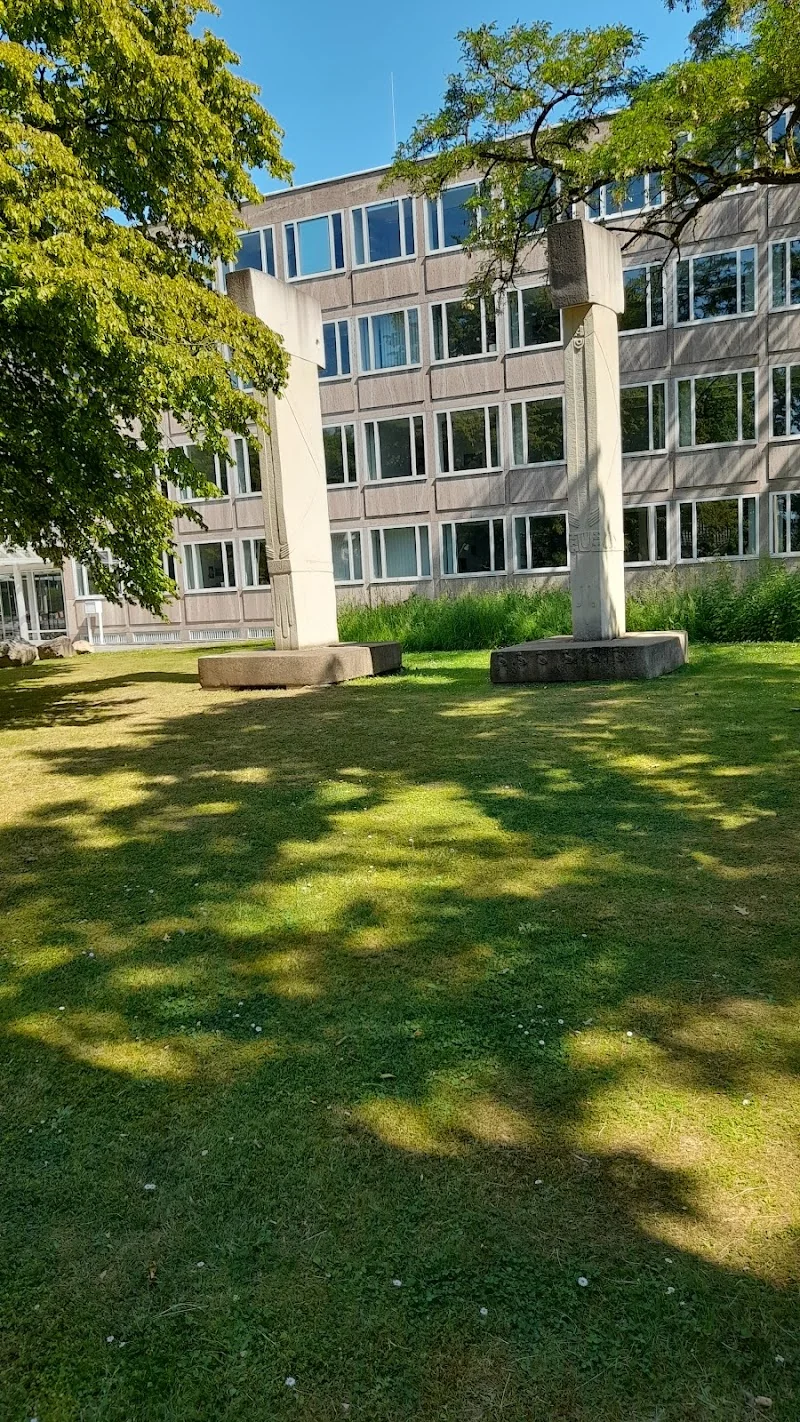
In search queries like “German Research Foundation e.V. (Bonn) photos” or “German Research Foundation e.V. Bonn reviews,” it is usually less about event atmosphere and more about orientation: What does the place look like, how serious does it appear, and how does one find their way around? The official DFG pages already provide some visual clues for this. On the About Us page and in the History section, images of the building, historical photographs, and editorial images are embedded that showcase the institutional character of the location. This creates a sober, scientifically shaped first impression that fits well with the function of the DFG. For the search intent “photos,” this is important because the head office is not defined by a classic event gallery but by images of its history, its buildings, and its working contexts. Therefore, those seeking a visual impression will find on the official pages more the visual language of a research organization than that of an event venue. This is factually appropriate and helps in the classification of the location. ([dfg.de](https://www.dfg.de/en/dfg-profile))
The term “reviews” is often interpreted differently for an institution like the DFG than for a restaurant or hotel. Here, evaluations usually concern personal impressions regarding accessibility, orientation at the entrance, friendliness of the reception, or clarity of processes. However, for the most reliable information, the official contact and visitor information is crucial, as they describe specific pathways, barrier-free access, parking, and responsibilities. This is why it makes sense to understand reviews as subjective orientation and to combine them with the official information. In a scientific funding institution, the practical utility of the location information is usually more important than an emotional overall rating. The search pattern thus shows that people want security before their visit: Where is the entrance, how do I get there, can I park, is the building accessible, and who can help if in doubt? The DFG answers these questions very directly on its visitor and accessibility pages. For SEO and user satisfaction, this is ideal because photos, reviews, and official information together create a reliable overall picture. ([dfg.de](https://www.dfg.de/en/service/contact?utm_source=openai))
Contact, Mailing Address, and Visitor Tips for the DFG Bonn
For genuine visitor orientation, not only the address is needed but also contact paths and clear responsibilities. The DFG provides the phone number +49 228 885-1, the fax number +49 228 885-2777, and the general email address postmaster@dfg.de for its Bonn headquarters. Additionally, the contact page refers to various departmental and contact lists, including contacts from A to Z, program contacts, and contact persons in the office. This is particularly helpful when someone is looking not only for the way to the building but also for the right professional contact person. For the search terms around “DFG Bonn contact,” it is clear: The DFG does not offer an anonymous administration but a highly structured system of central office, specialized departments, and visitor information. At the same time, it becomes clear that the DFG head office supports the work of the committees and administers funding programs. Therefore, anyone coming to Bonn with a concern is moving within an organization that is set up for regulated inquiries and planable visits. ([dfg.de](https://www.dfg.de/en/service/contact?utm_source=openai))
It is also practical that the separate mailing address 53170 Bonn is explicitly mentioned on the contact page. For guests, it is advisable to check in advance whether the appointment actually takes place at Kennedyallee 40 or at one of the other Bonn service locations. The DFG also mentions additional addresses for financial audits, information management, and travel expense accounting, including at Gotenstraße 156 and Kennedyallee 1-5. For first-time visitors, this is not a minor detail but a crucial hint to ensure that arrival, reception, and destination room match. Therefore, those visiting the DFG Bonn should use the official contact and visitor information as the first source, check the barrier-free access, and if necessary, involve their contact person or the reception. This way, a search query for “DFG Bonn directions,” “DFG Bonn parking,” or “German Research Foundation Bonn” becomes a planable, well-organized visit to one of the most important research locations in Germany. ([dfg.de](https://www.dfg.de/en/service/contact?utm_source=openai))
Sources:
- DFG – Contact and Visitors Information ([dfg.de](https://www.dfg.de/en/service/contact?utm_source=openai))
- DFG – Barrier-Free Access and Use ([dfg.de](https://www.dfg.de/de/service/menschen-mit-behinderungen/barrierefreie-anreise?utm_source=openai))
- DFG – What is the DFG? ([dfg.de](https://www.dfg.de/en/about-us/about-the-dfg/what-is-the-dfg?utm_source=openai))
- DFG – History of the DFG ([dfg.de](https://www.dfg.de/en/about-us/about-the-dfg/history))
- DFG – Head Office ([dfg.de](https://www.dfg.de/en/about-us/head-office?utm_source=openai))
Show moreShow less
German Research Foundation Bonn | Address & Directions
The German Research Foundation e.V. in Bonn is much more than just a name on a doorbell. It is Germany's largest research funding organization and central self-administration organization for science and humanities. From its headquarters in Bonn, the DFG supports committees, reviews research proposals, manages funding programs, and shapes the framework for basic research and international collaboration. Therefore, when someone looks for the DFG in Bonn, they usually mean an institution of high scientific significance, clear visitor information, and a very precise location logic. The official address at Kennedyallee 40 is located in the southern part of Bonn, in the Bad Godesberg area, and is designed to be accessible by both public transport and car. Additionally, there are indications for barrier-free access, visitor pathways, contact points, and internal meeting rooms. This combination of administrative function, scientific relevance, and practical orientation makes the DFG office a location that should be described factually, compactly, and user-friendly. ([dfg.de](https://www.dfg.de/en/about-us/about-the-dfg/what-is-the-dfg?utm_source=openai))
Address, Location, and Directions to the DFG Office in Bonn
The official address of the DFG office is Kennedyallee 40, 53175 Bonn. The mailing address is separate and is 53170 Bonn. On the DFG contact pages, the location in Bonn is linked to the main office of the organization; additionally, the organization refers to other Bonn service locations, including Gotenstraße 156 and Kennedyallee 1-5. This makes it clear that the DFG in Bonn is not limited to a single building, but operates with several locations, with Kennedyallee 40 being the well-known main building. For visitors, this clarity is important because the DFG is neither a classic event location nor a publicly accessible exhibition hall, but a workplace for science administration, committees, and funding processes. Therefore, those heading to the building are primarily looking for a functional, well-described administrative location with clear address logic, not a place with spontaneous public rotation. At the same time, the official visitor information shows that the DFG understands its head office in Bonn as a fixed, clearly structured point of contact. This aligns with the organization's self-understanding, which promotes research nationwide and has its administrative center in Bonn. ([dfg.de](https://www.dfg.de/en/service/contact?utm_source=openai))
The location in the southern part of Bonn is also well documented. On the career and location page, it is noted that the headquarters is located in the beautiful district of Bad Godesberg. This is relevant for the search intent around “German Research Foundation Bonn” and “DFG Bonn directions” because the location is thus not in the densest city center, but in an administratively shaped part of Bonn. For public transport access, the DFG also provides a clear combination solution: From Cologne-Bonn or Bonn Central Station, one can take the Airport Express SB60 to Bonn Central Station and from there continue with the described train and bus connections. The official contact page directly refers to the visitor information and the access map for the way to the Bonn location. This connection of street, train, and visitor pathway is helpful for all those who not only know the address but also want to plan real access to the building. For seekers, it is especially important: The DFG Bonn is well documented, clearly addressed, and equipped with official signposts, making orientation on site significantly easier than at many anonymous office buildings. ([dfg.de](https://www.dfg.de/en/service/contact?utm_source=openai))
Barrier-Free Access, Entry, and Parking
A particularly important part of the search queries around the DFG Bonn concerns barrier-free use. The official DFG page on barrier-free access describes the location Kennedyallee 40 very specifically: The subway station Hochkreuz/Deutsches Museum on lines 16 and 63 is barrier-free, the exit is level and without steps, and the distance to the office is about 500 meters. On this route, two pedestrian crossings with traffic lights must be crossed; according to the DFG, there are no significant inclines. Additionally, the bus stops Deutsche Forschungsgemeinschaft on lines 631, 638, and N3 are approximately 20 to 50 meters from the main entrance, depending on the direction of travel. These details are equally helpful for people with mobility restrictions, visitor groups, and guests with little local knowledge, as they describe not only the line but also the remaining distance and the quality of the path. This is exactly what makes the official information so valuable: it is concrete, practical, and designed for real orientation. ([dfg.de](https://www.dfg.de/de/service/menschen-mit-behinderungen/barrierefreie-anreise?utm_source=openai))
The DFG also provides reliable information regarding access to the building itself. The reception service can be reached via the telephone switchboard if assistance is needed due to a disability. For visitors with severe disabilities, there is a designated parking space about 12 meters to the right of the driveway to the main entrance Kennedyallee 40; this parking space is visible from the street and marked with the usual wheelchair symbol. Furthermore, the DFG mentions additional parking spaces in the outdoor area and in the underground garage, which are not directly publicly accessible but can be made available for people with disabilities if needed. Three elevators are available in the building, all meeting rooms and conference rooms are barrier-free accessible, and there are barrier-free toilets on the ground floor to the left behind the main entrance and on the 1st floor. For the search terms “DFG Bonn parking” and “DFG Bonn barrier-free access,” this is a very good foundation because the DFG not only describes access but documents a real visitor logistics with support options. ([dfg.de](https://www.dfg.de/de/service/menschen-mit-behinderungen/barrierefreie-anreise?utm_source=openai))
The DFG in Bonn: History and Mission
To understand the DFG in Bonn, one should not only know the address but also the history and mission of the organization. The DFG itself describes its history as an almost hundred-year development. Its predecessor was the Emergency Association of German Science, and from the beginning, the promotion and support of excellent research has been at the center. The history of the DFG also shows that science and research policy must always be seen in connection with historical, social, and political frameworks. Since 1949, the DFG has been based in Bonn or Bonn-Bad Godesberg. This means that the location not only has a current administrative function but also a historical continuity that is important for the perception of the house. This long presence in Bonn explains why the search terms around “DFG Bonn” and “German Research Foundation Bonn” are so strongly associated with the location itself. In this context, the DFG is not just any organization based in Bonn, but an institution with a developed identity, whose Bonn address is an integral part of its public perception. ([dfg.de](https://www.dfg.de/en/about-us/about-the-dfg/history))
Substantively, the DFG describes on its official page that it is the largest research funding organization and central self-administered organization for science and humanities in Germany. It primarily promotes knowledge-driven projects developed by researchers themselves and focuses on basic research as well as on questions that allow for high risks and unconventional ideas. The procedures are based on scientific criteria, and the organization works collaboratively with federal and state funding. Additionally, the DFG points out that in 2025 it supported around 30,100 ongoing projects with an annual funding volume of 3.8 billion euros and was accompanied by more than 18,000 reviewers. These figures show why the Bonn location is not just an office building but the hub of a large national research infrastructure. Therefore, those searching for the DFG Bonn are indirectly also looking for the organizational basis of thousands of funding decisions, reviews, and research networks. This is why the official description of the headquarters is so significant for SEO, information search, and substantive classification. ([dfg.de](https://www.dfg.de/en/about-us/about-the-dfg/what-is-the-dfg?utm_source=openai))
Meeting Rooms, Building, and Internal Structure at the Headquarters
The Bonn headquarters of the DFG is not just an administrative office but a workplace with a clear internal structure. The DFG informs that its head office in Bonn employs 950 staff and supports the work of the committees and administers the funding programs. Organizationally, the office is divided into four departments and a management level; it is further divided into additional areas and departments. For seekers interested in “DFG Bonn meeting rooms” or “DFG headquarters Bonn,” it is particularly relevant that the DFG mentions six larger meeting rooms or conference rooms in its barrier-free access information. These rooms are indicated on the site plan and bear names such as Norbert Elias Hall, Ernst Mayr Hall, Rahel Hirsch Hall, Lise Meitner Hall, Justus v. Liebig Hall, and Theodore v. Kármán Hall. This shows that the building is not only prepared for receiving guests but also for conferences, committee meetings, and professional gatherings. The choice of names also reflects the scientific character of the institution. For visitors, this means: The location is functional, academically shaped, and oriented towards formalized workflows, not public traffic like an event center. ([dfg.de](https://www.dfg.de/en/about-us/head-office?utm_source=openai))
The spatial structure in the building at Kennedyallee 40 also aids orientation. In addition to the meeting rooms, the DFG points to barrier-free toilets on several floors and three elevators that facilitate access to the rooms. This is as important for people with mobility restrictions as it is for individuals coming to an appointment with many documents, technology, or companions. At the same time, the official documentation makes it clear that the DFG in Bonn does not operate a purely symbolic headquarters but a building with concrete working architecture. In this context, the functional description of the head office fits: It supports the committees, organizes internal work, and implements funding procedures. Thus, a location profile emerges that is oriented towards professionalism, clarity, and scientific appropriateness. Therefore, those searching for the premises of the DFG Bonn will find no concert arena or ticket operation, but a well-described building with meeting rooms, reception, elevators, visitor pathways, and clear responsibilities. This precision is valuable for search engines, visitors, and professional audiences alike. ([dfg.de](https://www.dfg.de/de/service/menschen-mit-behinderungen/barrierefreie-anreise?utm_source=openai))
Photos, Reviews, and First Impressions of the Location
In search queries like “German Research Foundation e.V. (Bonn) photos” or “German Research Foundation e.V. Bonn reviews,” it is usually less about event atmosphere and more about orientation: What does the place look like, how serious does it appear, and how does one find their way around? The official DFG pages already provide some visual clues for this. On the About Us page and in the History section, images of the building, historical photographs, and editorial images are embedded that showcase the institutional character of the location. This creates a sober, scientifically shaped first impression that fits well with the function of the DFG. For the search intent “photos,” this is important because the head office is not defined by a classic event gallery but by images of its history, its buildings, and its working contexts. Therefore, those seeking a visual impression will find on the official pages more the visual language of a research organization than that of an event venue. This is factually appropriate and helps in the classification of the location. ([dfg.de](https://www.dfg.de/en/dfg-profile))
The term “reviews” is often interpreted differently for an institution like the DFG than for a restaurant or hotel. Here, evaluations usually concern personal impressions regarding accessibility, orientation at the entrance, friendliness of the reception, or clarity of processes. However, for the most reliable information, the official contact and visitor information is crucial, as they describe specific pathways, barrier-free access, parking, and responsibilities. This is why it makes sense to understand reviews as subjective orientation and to combine them with the official information. In a scientific funding institution, the practical utility of the location information is usually more important than an emotional overall rating. The search pattern thus shows that people want security before their visit: Where is the entrance, how do I get there, can I park, is the building accessible, and who can help if in doubt? The DFG answers these questions very directly on its visitor and accessibility pages. For SEO and user satisfaction, this is ideal because photos, reviews, and official information together create a reliable overall picture. ([dfg.de](https://www.dfg.de/en/service/contact?utm_source=openai))
Contact, Mailing Address, and Visitor Tips for the DFG Bonn
For genuine visitor orientation, not only the address is needed but also contact paths and clear responsibilities. The DFG provides the phone number +49 228 885-1, the fax number +49 228 885-2777, and the general email address postmaster@dfg.de for its Bonn headquarters. Additionally, the contact page refers to various departmental and contact lists, including contacts from A to Z, program contacts, and contact persons in the office. This is particularly helpful when someone is looking not only for the way to the building but also for the right professional contact person. For the search terms around “DFG Bonn contact,” it is clear: The DFG does not offer an anonymous administration but a highly structured system of central office, specialized departments, and visitor information. At the same time, it becomes clear that the DFG head office supports the work of the committees and administers funding programs. Therefore, anyone coming to Bonn with a concern is moving within an organization that is set up for regulated inquiries and planable visits. ([dfg.de](https://www.dfg.de/en/service/contact?utm_source=openai))
It is also practical that the separate mailing address 53170 Bonn is explicitly mentioned on the contact page. For guests, it is advisable to check in advance whether the appointment actually takes place at Kennedyallee 40 or at one of the other Bonn service locations. The DFG also mentions additional addresses for financial audits, information management, and travel expense accounting, including at Gotenstraße 156 and Kennedyallee 1-5. For first-time visitors, this is not a minor detail but a crucial hint to ensure that arrival, reception, and destination room match. Therefore, those visiting the DFG Bonn should use the official contact and visitor information as the first source, check the barrier-free access, and if necessary, involve their contact person or the reception. This way, a search query for “DFG Bonn directions,” “DFG Bonn parking,” or “German Research Foundation Bonn” becomes a planable, well-organized visit to one of the most important research locations in Germany. ([dfg.de](https://www.dfg.de/en/service/contact?utm_source=openai))
Sources:
- DFG – Contact and Visitors Information ([dfg.de](https://www.dfg.de/en/service/contact?utm_source=openai))
- DFG – Barrier-Free Access and Use ([dfg.de](https://www.dfg.de/de/service/menschen-mit-behinderungen/barrierefreie-anreise?utm_source=openai))
- DFG – What is the DFG? ([dfg.de](https://www.dfg.de/en/about-us/about-the-dfg/what-is-the-dfg?utm_source=openai))
- DFG – History of the DFG ([dfg.de](https://www.dfg.de/en/about-us/about-the-dfg/history))
- DFG – Head Office ([dfg.de](https://www.dfg.de/en/about-us/head-office?utm_source=openai))
German Research Foundation Bonn | Address & Directions
The German Research Foundation e.V. in Bonn is much more than just a name on a doorbell. It is Germany's largest research funding organization and central self-administration organization for science and humanities. From its headquarters in Bonn, the DFG supports committees, reviews research proposals, manages funding programs, and shapes the framework for basic research and international collaboration. Therefore, when someone looks for the DFG in Bonn, they usually mean an institution of high scientific significance, clear visitor information, and a very precise location logic. The official address at Kennedyallee 40 is located in the southern part of Bonn, in the Bad Godesberg area, and is designed to be accessible by both public transport and car. Additionally, there are indications for barrier-free access, visitor pathways, contact points, and internal meeting rooms. This combination of administrative function, scientific relevance, and practical orientation makes the DFG office a location that should be described factually, compactly, and user-friendly. ([dfg.de](https://www.dfg.de/en/about-us/about-the-dfg/what-is-the-dfg?utm_source=openai))
Address, Location, and Directions to the DFG Office in Bonn
The official address of the DFG office is Kennedyallee 40, 53175 Bonn. The mailing address is separate and is 53170 Bonn. On the DFG contact pages, the location in Bonn is linked to the main office of the organization; additionally, the organization refers to other Bonn service locations, including Gotenstraße 156 and Kennedyallee 1-5. This makes it clear that the DFG in Bonn is not limited to a single building, but operates with several locations, with Kennedyallee 40 being the well-known main building. For visitors, this clarity is important because the DFG is neither a classic event location nor a publicly accessible exhibition hall, but a workplace for science administration, committees, and funding processes. Therefore, those heading to the building are primarily looking for a functional, well-described administrative location with clear address logic, not a place with spontaneous public rotation. At the same time, the official visitor information shows that the DFG understands its head office in Bonn as a fixed, clearly structured point of contact. This aligns with the organization's self-understanding, which promotes research nationwide and has its administrative center in Bonn. ([dfg.de](https://www.dfg.de/en/service/contact?utm_source=openai))
The location in the southern part of Bonn is also well documented. On the career and location page, it is noted that the headquarters is located in the beautiful district of Bad Godesberg. This is relevant for the search intent around “German Research Foundation Bonn” and “DFG Bonn directions” because the location is thus not in the densest city center, but in an administratively shaped part of Bonn. For public transport access, the DFG also provides a clear combination solution: From Cologne-Bonn or Bonn Central Station, one can take the Airport Express SB60 to Bonn Central Station and from there continue with the described train and bus connections. The official contact page directly refers to the visitor information and the access map for the way to the Bonn location. This connection of street, train, and visitor pathway is helpful for all those who not only know the address but also want to plan real access to the building. For seekers, it is especially important: The DFG Bonn is well documented, clearly addressed, and equipped with official signposts, making orientation on site significantly easier than at many anonymous office buildings. ([dfg.de](https://www.dfg.de/en/service/contact?utm_source=openai))
Barrier-Free Access, Entry, and Parking
A particularly important part of the search queries around the DFG Bonn concerns barrier-free use. The official DFG page on barrier-free access describes the location Kennedyallee 40 very specifically: The subway station Hochkreuz/Deutsches Museum on lines 16 and 63 is barrier-free, the exit is level and without steps, and the distance to the office is about 500 meters. On this route, two pedestrian crossings with traffic lights must be crossed; according to the DFG, there are no significant inclines. Additionally, the bus stops Deutsche Forschungsgemeinschaft on lines 631, 638, and N3 are approximately 20 to 50 meters from the main entrance, depending on the direction of travel. These details are equally helpful for people with mobility restrictions, visitor groups, and guests with little local knowledge, as they describe not only the line but also the remaining distance and the quality of the path. This is exactly what makes the official information so valuable: it is concrete, practical, and designed for real orientation. ([dfg.de](https://www.dfg.de/de/service/menschen-mit-behinderungen/barrierefreie-anreise?utm_source=openai))
The DFG also provides reliable information regarding access to the building itself. The reception service can be reached via the telephone switchboard if assistance is needed due to a disability. For visitors with severe disabilities, there is a designated parking space about 12 meters to the right of the driveway to the main entrance Kennedyallee 40; this parking space is visible from the street and marked with the usual wheelchair symbol. Furthermore, the DFG mentions additional parking spaces in the outdoor area and in the underground garage, which are not directly publicly accessible but can be made available for people with disabilities if needed. Three elevators are available in the building, all meeting rooms and conference rooms are barrier-free accessible, and there are barrier-free toilets on the ground floor to the left behind the main entrance and on the 1st floor. For the search terms “DFG Bonn parking” and “DFG Bonn barrier-free access,” this is a very good foundation because the DFG not only describes access but documents a real visitor logistics with support options. ([dfg.de](https://www.dfg.de/de/service/menschen-mit-behinderungen/barrierefreie-anreise?utm_source=openai))
The DFG in Bonn: History and Mission
To understand the DFG in Bonn, one should not only know the address but also the history and mission of the organization. The DFG itself describes its history as an almost hundred-year development. Its predecessor was the Emergency Association of German Science, and from the beginning, the promotion and support of excellent research has been at the center. The history of the DFG also shows that science and research policy must always be seen in connection with historical, social, and political frameworks. Since 1949, the DFG has been based in Bonn or Bonn-Bad Godesberg. This means that the location not only has a current administrative function but also a historical continuity that is important for the perception of the house. This long presence in Bonn explains why the search terms around “DFG Bonn” and “German Research Foundation Bonn” are so strongly associated with the location itself. In this context, the DFG is not just any organization based in Bonn, but an institution with a developed identity, whose Bonn address is an integral part of its public perception. ([dfg.de](https://www.dfg.de/en/about-us/about-the-dfg/history))
Substantively, the DFG describes on its official page that it is the largest research funding organization and central self-administered organization for science and humanities in Germany. It primarily promotes knowledge-driven projects developed by researchers themselves and focuses on basic research as well as on questions that allow for high risks and unconventional ideas. The procedures are based on scientific criteria, and the organization works collaboratively with federal and state funding. Additionally, the DFG points out that in 2025 it supported around 30,100 ongoing projects with an annual funding volume of 3.8 billion euros and was accompanied by more than 18,000 reviewers. These figures show why the Bonn location is not just an office building but the hub of a large national research infrastructure. Therefore, those searching for the DFG Bonn are indirectly also looking for the organizational basis of thousands of funding decisions, reviews, and research networks. This is why the official description of the headquarters is so significant for SEO, information search, and substantive classification. ([dfg.de](https://www.dfg.de/en/about-us/about-the-dfg/what-is-the-dfg?utm_source=openai))
Meeting Rooms, Building, and Internal Structure at the Headquarters
The Bonn headquarters of the DFG is not just an administrative office but a workplace with a clear internal structure. The DFG informs that its head office in Bonn employs 950 staff and supports the work of the committees and administers the funding programs. Organizationally, the office is divided into four departments and a management level; it is further divided into additional areas and departments. For seekers interested in “DFG Bonn meeting rooms” or “DFG headquarters Bonn,” it is particularly relevant that the DFG mentions six larger meeting rooms or conference rooms in its barrier-free access information. These rooms are indicated on the site plan and bear names such as Norbert Elias Hall, Ernst Mayr Hall, Rahel Hirsch Hall, Lise Meitner Hall, Justus v. Liebig Hall, and Theodore v. Kármán Hall. This shows that the building is not only prepared for receiving guests but also for conferences, committee meetings, and professional gatherings. The choice of names also reflects the scientific character of the institution. For visitors, this means: The location is functional, academically shaped, and oriented towards formalized workflows, not public traffic like an event center. ([dfg.de](https://www.dfg.de/en/about-us/head-office?utm_source=openai))
The spatial structure in the building at Kennedyallee 40 also aids orientation. In addition to the meeting rooms, the DFG points to barrier-free toilets on several floors and three elevators that facilitate access to the rooms. This is as important for people with mobility restrictions as it is for individuals coming to an appointment with many documents, technology, or companions. At the same time, the official documentation makes it clear that the DFG in Bonn does not operate a purely symbolic headquarters but a building with concrete working architecture. In this context, the functional description of the head office fits: It supports the committees, organizes internal work, and implements funding procedures. Thus, a location profile emerges that is oriented towards professionalism, clarity, and scientific appropriateness. Therefore, those searching for the premises of the DFG Bonn will find no concert arena or ticket operation, but a well-described building with meeting rooms, reception, elevators, visitor pathways, and clear responsibilities. This precision is valuable for search engines, visitors, and professional audiences alike. ([dfg.de](https://www.dfg.de/de/service/menschen-mit-behinderungen/barrierefreie-anreise?utm_source=openai))
Photos, Reviews, and First Impressions of the Location
In search queries like “German Research Foundation e.V. (Bonn) photos” or “German Research Foundation e.V. Bonn reviews,” it is usually less about event atmosphere and more about orientation: What does the place look like, how serious does it appear, and how does one find their way around? The official DFG pages already provide some visual clues for this. On the About Us page and in the History section, images of the building, historical photographs, and editorial images are embedded that showcase the institutional character of the location. This creates a sober, scientifically shaped first impression that fits well with the function of the DFG. For the search intent “photos,” this is important because the head office is not defined by a classic event gallery but by images of its history, its buildings, and its working contexts. Therefore, those seeking a visual impression will find on the official pages more the visual language of a research organization than that of an event venue. This is factually appropriate and helps in the classification of the location. ([dfg.de](https://www.dfg.de/en/dfg-profile))
The term “reviews” is often interpreted differently for an institution like the DFG than for a restaurant or hotel. Here, evaluations usually concern personal impressions regarding accessibility, orientation at the entrance, friendliness of the reception, or clarity of processes. However, for the most reliable information, the official contact and visitor information is crucial, as they describe specific pathways, barrier-free access, parking, and responsibilities. This is why it makes sense to understand reviews as subjective orientation and to combine them with the official information. In a scientific funding institution, the practical utility of the location information is usually more important than an emotional overall rating. The search pattern thus shows that people want security before their visit: Where is the entrance, how do I get there, can I park, is the building accessible, and who can help if in doubt? The DFG answers these questions very directly on its visitor and accessibility pages. For SEO and user satisfaction, this is ideal because photos, reviews, and official information together create a reliable overall picture. ([dfg.de](https://www.dfg.de/en/service/contact?utm_source=openai))
Contact, Mailing Address, and Visitor Tips for the DFG Bonn
For genuine visitor orientation, not only the address is needed but also contact paths and clear responsibilities. The DFG provides the phone number +49 228 885-1, the fax number +49 228 885-2777, and the general email address postmaster@dfg.de for its Bonn headquarters. Additionally, the contact page refers to various departmental and contact lists, including contacts from A to Z, program contacts, and contact persons in the office. This is particularly helpful when someone is looking not only for the way to the building but also for the right professional contact person. For the search terms around “DFG Bonn contact,” it is clear: The DFG does not offer an anonymous administration but a highly structured system of central office, specialized departments, and visitor information. At the same time, it becomes clear that the DFG head office supports the work of the committees and administers funding programs. Therefore, anyone coming to Bonn with a concern is moving within an organization that is set up for regulated inquiries and planable visits. ([dfg.de](https://www.dfg.de/en/service/contact?utm_source=openai))
It is also practical that the separate mailing address 53170 Bonn is explicitly mentioned on the contact page. For guests, it is advisable to check in advance whether the appointment actually takes place at Kennedyallee 40 or at one of the other Bonn service locations. The DFG also mentions additional addresses for financial audits, information management, and travel expense accounting, including at Gotenstraße 156 and Kennedyallee 1-5. For first-time visitors, this is not a minor detail but a crucial hint to ensure that arrival, reception, and destination room match. Therefore, those visiting the DFG Bonn should use the official contact and visitor information as the first source, check the barrier-free access, and if necessary, involve their contact person or the reception. This way, a search query for “DFG Bonn directions,” “DFG Bonn parking,” or “German Research Foundation Bonn” becomes a planable, well-organized visit to one of the most important research locations in Germany. ([dfg.de](https://www.dfg.de/en/service/contact?utm_source=openai))
Sources:
- DFG – Contact and Visitors Information ([dfg.de](https://www.dfg.de/en/service/contact?utm_source=openai))
- DFG – Barrier-Free Access and Use ([dfg.de](https://www.dfg.de/de/service/menschen-mit-behinderungen/barrierefreie-anreise?utm_source=openai))
- DFG – What is the DFG? ([dfg.de](https://www.dfg.de/en/about-us/about-the-dfg/what-is-the-dfg?utm_source=openai))
- DFG – History of the DFG ([dfg.de](https://www.dfg.de/en/about-us/about-the-dfg/history))
- DFG – Head Office ([dfg.de](https://www.dfg.de/en/about-us/head-office?utm_source=openai))
Upcoming Events
No events found
Frequently Asked Questions
Reviews
Matheus Gomes
19. February 2014
Cool company. Always offering the best service xxx, love their products
Markus Kuehbacher
23. June 2016
For years, the German Research Foundation systematically prevented independent investigations into scientific fraud and favored scientific fraudsters.
Michael Abert
9. September 2022
Highly recommended
Marion Morath
2. February 2021
Everything great
Michael Abert
14. September 2023
First-class!!!