
Bonn
An d. Burg Lede 1, 53225 Bonn, Deutschland
Burg Lede, Art Gallery Parrotta | Exhibition & Photography
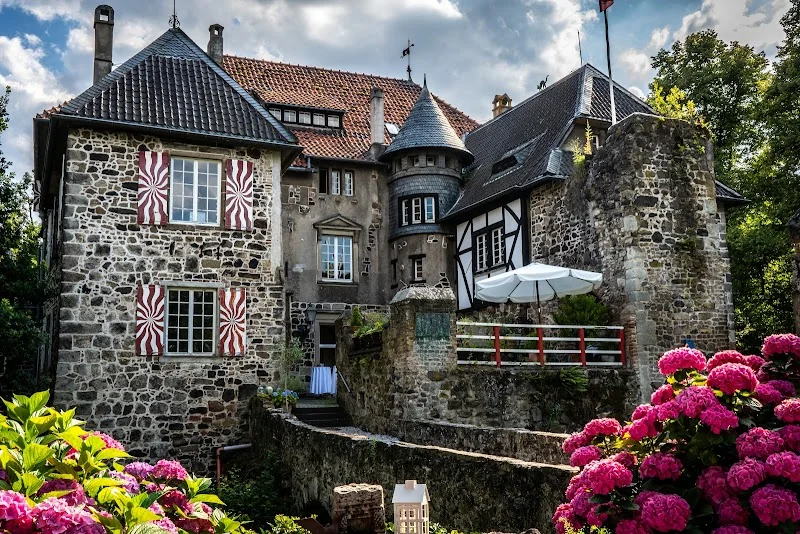
Burg Lede in the Bonn district of Vilich is one of those places where history is not only told but also spatially palpable. The complex dates back to an early medieval building, developed from a Romanesque residential tower, and is now protected as a building and archaeological monument. At the same time, it is not a quiet museum but a vibrant art location with changing exhibitions, guided tours, garden projects, and a gallery for contemporary art. Those searching for Burg Lede Art Gallery Parrotta, Gallery Burg Lede Bonn, or Burg Lede Exhibition will encounter an extraordinary combination of water castle, park, and contemporary art. This makes the place particularly attractive for visitors who want to experience not just an exhibition but an entire cultural space. The location in Bonn-Vilich, the historical building substance, the listed garden, and the current art practice interlink and create a profile that clearly distinguishes itself from a classic white-cube gallery. It is precisely this mix of tranquility, distance from the city center, and cultural density that makes Burg Lede a prominent destination for art enthusiasts, garden lovers, and people who want to discover special places in Bonn. ([burglede.de](https://www.burglede.de/ueber-die-burg/?utm_source=openai))
Current Exhibition and Opening Hours at Parrotta Contemporary Art
The currently relevant search queries surrounding Burg Lede are strongly focused on exhibitions, programs, and opening hours. This is understandable, as Parrotta Contemporary Art uses the castle not only as an exhibition address but as a place where an ongoing program of solo and group exhibitions, discussions, and events becomes visible. The official website currently features the exhibition Burn and Bloom for Burg Lede Bonn, dated from June 7 to August 15, 2026. The exhibition brings together artists such as Joscha Bender, Arpad Dobriban, Martine Feipel & Jean Bechameil, Anna Jermolaeva, Isabell Kamp, Kim-Camille Kreuz, Alisa Margolis, Yann Mingard, Stephan Reusse, and Lois Weinberger. Thematically, the project revolves around the plant world, destruction and new beginnings, transience, and resilience. This makes the exhibition a good fit for the location, as the castle itself is shaped by garden, nature, and historical space. At the same time, accompanying formats such as Walk & Talk, summer cinema, or a children's and holiday program are announced, positioning the place as a cultural meeting point beyond a mere exhibition. ([parrotta.de](https://parrotta.de/exhibitions/burn-and-bloom-bonn/?utm_source=openai))
For the visit, it is important to note that the opening hours may depend on the exhibition. On the official Burg Lede and Parrotta pages, Burg Lede is usually mentioned as being open Thursday to Saturday from 3 PM to 6 PM, also by prior arrangement. These opening hours are helpful for visitors specifically searching for burg lede opening hours or gallery parrotta contemporary art. The gallery also points out that current information should always be checked online, which is particularly sensible with ongoing changing exhibitions. The program aligns with the identity of Parrotta Contemporary Art: the gallery has been working for years with changing artistic positions and integrates discussions, lectures, book presentations, as well as lunch and dinner tours into the exhibition concept. This means for guests that a visit to Burg Lede not only allows a view of works but often also opens an additional layer of mediation, context, and dialogue. This mix of art observation and programmatic depth is an important reason why Burg Lede performs so well in search queries related to exhibitions, photos, and galleries in Bonn. ([burglede.de](https://www.burglede.de/))
Photography, Painting, and Contemporary Art in Burg Lede
The gallery structure of Parrotta Contemporary Art is particularly exciting for the SEO topic because it sets a clear focus on photography while remaining very open programmatically. The Burg Lede website describes the gallery as a place for contemporary art by young and already established artists with a focus on photography. It is also clear from the gallery page that the program is not limited to a single medium. Among other things, painting, photography, video, works on paper, performance, audio works, installation, and sculpture are shown there. For search terms like burg painting, burg lede photography, or gallery parrotta contemporary art, this is important because the location serves multiple artistic interests simultaneously. The gallery also consciously works with a conceptual and media-reflexive approach. This means: not only the individual image counts, but also the question of how images, materials, and spaces communicate with each other. In a historic building like Burg Lede, this attitude has a special effect because the art does not take place in a neutral exhibition space but in an architecture with history, texture, and atmosphere. ([burglede.de](https://www.burglede.de/))
The development of the gallery itself is also part of the profile. Parrotta Contemporary Art was established in 2007 with exhibition spaces in Stuttgart and relocated to Cologne and Bonn in 2017. The current presence in Burg Lede Bonn is therefore not a coincidence but part of a grown gallery history. This also explains why the gallery regularly works with talks, tours, and other formats in addition to exhibitions. The Burg Lede page explicitly mentions that alongside festive openings, thematic tours, lectures, artist talks, book presentations, and lunch or dinner tours take place. For visitors, this means that art becomes accessible here on multiple levels: visually, thematically, and socially. Especially in the context of search queries like burg lede exhibition or burg lede art gallery parrotta photos, this openness is relevant because many people are not only looking for a photo of the location but also an idea of how the place is used. The gallery provides a convincing image for this: a historic space where contemporary art does not seek a backdrop but finds productive resistance and a strong resonance surface. ([parrotta.de](https://parrotta.de/gallery/))
The History of the Water Castle Lede in Bonn-Vilich
Burg Lede is one of the historical places in Bonn, whose past is still visible in the building structure today. The earliest documented mentions date back to the 14th century, but the complex itself goes back to the early 13th century. Originally, it was a Romanesque residential tower, which over time became a Gothic water castle. The location in swampy terrain, in the lowland of old Rhine and Sieg arms, not only explains its character as a lowland castle but also the special impression that the place makes to this day. In the 14th century, Burg Lede was mentioned as the ancestral seat of the knight Johann Schillink von Vilich; during this phase, the formerly square building was converted into a three-winged complex. Parts of the former Romanesque residential tower are still preserved, including a Romanesque double window and other building elements that keep the medieval origin visible. Also defining are the castle moat, the stone three-arched bridge, and the gate that marks the access to the grounds. This historical depth is one of the reasons why Burg Lede is interesting not only as an art location but also as a listed ensemble. ([burglede.de](https://www.burglede.de/ueber-die-burg/?utm_source=openai))
The later history shows how significantly the castle has changed over the centuries. During the Truchsessian War and the Thirty Years' War, the castle was destroyed and initially remained in ruins. In the 17th century, it was made habitable again through an integrated half-timbered house; in 1716, the Vilich monastery acquired the rebuilt complex. With the secularization, the castle came into the possession of the Prussian state in 1804 and was sold to the Cologne banker Herstatt in the early 1820s. In the 19th and early 20th centuries, the owners changed again before Otto Weinlig took over the complex in 1904. He had it historically restored and expanded under the direction of the Berlin architect Wilhelm Franz. This phase also includes the design of the park according to plans by Walter von Engelhardt in 1907. The name Burg Lede was only introduced in 1907; previously, the designation Schneckenburg was also common. For visitors, this development is important because it explains why the place appears simultaneously medieval, scenic, and historicist. The castle is not just a relic but a multifaceted cultural monument with visible traces of very different epochs. ([burglede.de](https://www.burglede.de/ueber-die-burg/?utm_source=openai))
Directions and Parking at Burg Lede
The practical question of directions and parking is one of the most common search motives surrounding Burg Lede, and the official information here is very clear. The address is An der Burg Lede 1 in 53225 Bonn. Those arriving by public transport can use the city train S 66 to the Vilich stop. Additionally, bus lines 540 and 640 are mentioned, each referring to Vilich Kloster or Hamster. This is particularly useful for the visit because the castle is located on the edge of Bonn-Vilich and is not surrounded by a large parking network like a city center location. Especially during events, the website explicitly points out that there are no parking facilities around the castle. Therefore, the location recommends the Park & Ride parking lot at the city train line 66 at the Vilich stop. From there, it is about a five-minute walk to the castle. This is a practical, reliable tip that is very helpful for guests with cars and directly answers search queries like burg lede parking or burg lede directions. ([burglede.de](https://www.burglede.de/kontakt/))
For planning the visit, it is worthwhile to categorize these routes in advance. The official communication clearly emphasizes arriving by public transport or opting for Park & Ride at the Vilich stop. For larger events, there are also indications of a bicycle parking space on the meadow in front of the castle. This also shows that the location is not designed for classic mass traffic but consciously functions as a cultural site with a historic environment. Those who want to combine an exhibition visit with a walk, a garden event, or an evening event particularly benefit from this situation: the relatively quiet location in Vilich supports the character of the place. Therefore, it is advisable not only to pay attention to the address when considering directions but also to the respective event format, as the travel information may be further specified for open events, family celebrations, or special exhibitions. This is relevant for SEO purposes: people searching for parking, opening hours, or public transport primarily want security in planning. Burg Lede provides this information directly and transparently on the website. ([burglede.de](https://www.burglede.de/veranstaltungen-2026/2025/))
Park, Garden, and Special Events at Burg Lede
A central unique feature of Burg Lede is the historic park. The Friends and Supporters of Burg Lede Association is committed to preserving the complex and its park and emphasizes the cultural-historical significance of the place for Vilich, Bonn, and the Rhineland. The Park Labor Burg Lede gUG, on the other hand, works on the preservation of the listed garden facility according to the plans of garden architect Walter von Engelhardt. In doing so, the garden facility is understood not only as a historical heritage but also as a place for contemporary art mediation and as a space for engagement with nature. Particularly exciting is the fact that the website points out that the park is one of the few remaining places where the structures of reform gardens from the early 20th century are still visible. This makes the garden particularly valuable for visitors interested in landscape architecture, monument preservation, and garden art. The historic poplar alley, the pergola, and various restoration projects show that the place is actively being developed without losing its character. ([burglede.de](https://www.burglede.de/park-labor-gug/?utm_source=openai))
The events around the park also show how versatile Burg Lede is used. There are open garden days, the day of open monuments, Advent festivals, medieval festivals, open-air cinema, guided tours, and artistic formats with children and families. The event pages make it clear that the garden is not just a backdrop but is itself part of the program. For example, guided tours through the historic garden facility, readings, concerts, creative workshops, and participatory actions are offered. For an ambiance in the historic style, it is also important that civil weddings are possible at Burg Lede; individually designed weddings can be arranged for up to 65 people. This is a strong signal for the suitability of the location as a special event venue without losing its identity as a listed water castle. In combination with the gallery, the park, and the cultural projects, a place emerges that does not separate art, history, and landscape but brings them together. Precisely for this reason, so many people are searching not only for galleries but also for photos, events, gardens, and atmosphere. Burg Lede offers all of this in a clearly recognizable profile. ([burglede.de](https://www.burglede.de/veranstaltungen-2026/2025/))
Sources:
- Burg Lede – Official Website, History, Monument, Park, and Gallery ([burglede.de](https://www.burglede.de/ueber-die-burg/?utm_source=openai))
- Contact and Directions Burg Lede – Address, S 66, Bus 540/640 ([burglede.de](https://www.burglede.de/kontakt/))
- Parrotta Contemporary Art – Gallery, History, and Exhibitions ([parrotta.de](https://parrotta.de/gallery/))
- Burn and Bloom – current exhibition at Burg Lede Bonn ([parrotta.de](https://parrotta.de/exhibitions/burn-and-bloom-bonn/?utm_source=openai))
- Park, Garden, and Events of Burg Lede ([burglede.de](https://www.burglede.de/park-labor-gug/?utm_source=openai))
Show moreShow less
Burg Lede, Art Gallery Parrotta | Exhibition & Photography
Burg Lede in the Bonn district of Vilich is one of those places where history is not only told but also spatially palpable. The complex dates back to an early medieval building, developed from a Romanesque residential tower, and is now protected as a building and archaeological monument. At the same time, it is not a quiet museum but a vibrant art location with changing exhibitions, guided tours, garden projects, and a gallery for contemporary art. Those searching for Burg Lede Art Gallery Parrotta, Gallery Burg Lede Bonn, or Burg Lede Exhibition will encounter an extraordinary combination of water castle, park, and contemporary art. This makes the place particularly attractive for visitors who want to experience not just an exhibition but an entire cultural space. The location in Bonn-Vilich, the historical building substance, the listed garden, and the current art practice interlink and create a profile that clearly distinguishes itself from a classic white-cube gallery. It is precisely this mix of tranquility, distance from the city center, and cultural density that makes Burg Lede a prominent destination for art enthusiasts, garden lovers, and people who want to discover special places in Bonn. ([burglede.de](https://www.burglede.de/ueber-die-burg/?utm_source=openai))
Current Exhibition and Opening Hours at Parrotta Contemporary Art
The currently relevant search queries surrounding Burg Lede are strongly focused on exhibitions, programs, and opening hours. This is understandable, as Parrotta Contemporary Art uses the castle not only as an exhibition address but as a place where an ongoing program of solo and group exhibitions, discussions, and events becomes visible. The official website currently features the exhibition Burn and Bloom for Burg Lede Bonn, dated from June 7 to August 15, 2026. The exhibition brings together artists such as Joscha Bender, Arpad Dobriban, Martine Feipel & Jean Bechameil, Anna Jermolaeva, Isabell Kamp, Kim-Camille Kreuz, Alisa Margolis, Yann Mingard, Stephan Reusse, and Lois Weinberger. Thematically, the project revolves around the plant world, destruction and new beginnings, transience, and resilience. This makes the exhibition a good fit for the location, as the castle itself is shaped by garden, nature, and historical space. At the same time, accompanying formats such as Walk & Talk, summer cinema, or a children's and holiday program are announced, positioning the place as a cultural meeting point beyond a mere exhibition. ([parrotta.de](https://parrotta.de/exhibitions/burn-and-bloom-bonn/?utm_source=openai))
For the visit, it is important to note that the opening hours may depend on the exhibition. On the official Burg Lede and Parrotta pages, Burg Lede is usually mentioned as being open Thursday to Saturday from 3 PM to 6 PM, also by prior arrangement. These opening hours are helpful for visitors specifically searching for burg lede opening hours or gallery parrotta contemporary art. The gallery also points out that current information should always be checked online, which is particularly sensible with ongoing changing exhibitions. The program aligns with the identity of Parrotta Contemporary Art: the gallery has been working for years with changing artistic positions and integrates discussions, lectures, book presentations, as well as lunch and dinner tours into the exhibition concept. This means for guests that a visit to Burg Lede not only allows a view of works but often also opens an additional layer of mediation, context, and dialogue. This mix of art observation and programmatic depth is an important reason why Burg Lede performs so well in search queries related to exhibitions, photos, and galleries in Bonn. ([burglede.de](https://www.burglede.de/))
Photography, Painting, and Contemporary Art in Burg Lede
The gallery structure of Parrotta Contemporary Art is particularly exciting for the SEO topic because it sets a clear focus on photography while remaining very open programmatically. The Burg Lede website describes the gallery as a place for contemporary art by young and already established artists with a focus on photography. It is also clear from the gallery page that the program is not limited to a single medium. Among other things, painting, photography, video, works on paper, performance, audio works, installation, and sculpture are shown there. For search terms like burg painting, burg lede photography, or gallery parrotta contemporary art, this is important because the location serves multiple artistic interests simultaneously. The gallery also consciously works with a conceptual and media-reflexive approach. This means: not only the individual image counts, but also the question of how images, materials, and spaces communicate with each other. In a historic building like Burg Lede, this attitude has a special effect because the art does not take place in a neutral exhibition space but in an architecture with history, texture, and atmosphere. ([burglede.de](https://www.burglede.de/))
The development of the gallery itself is also part of the profile. Parrotta Contemporary Art was established in 2007 with exhibition spaces in Stuttgart and relocated to Cologne and Bonn in 2017. The current presence in Burg Lede Bonn is therefore not a coincidence but part of a grown gallery history. This also explains why the gallery regularly works with talks, tours, and other formats in addition to exhibitions. The Burg Lede page explicitly mentions that alongside festive openings, thematic tours, lectures, artist talks, book presentations, and lunch or dinner tours take place. For visitors, this means that art becomes accessible here on multiple levels: visually, thematically, and socially. Especially in the context of search queries like burg lede exhibition or burg lede art gallery parrotta photos, this openness is relevant because many people are not only looking for a photo of the location but also an idea of how the place is used. The gallery provides a convincing image for this: a historic space where contemporary art does not seek a backdrop but finds productive resistance and a strong resonance surface. ([parrotta.de](https://parrotta.de/gallery/))
The History of the Water Castle Lede in Bonn-Vilich
Burg Lede is one of the historical places in Bonn, whose past is still visible in the building structure today. The earliest documented mentions date back to the 14th century, but the complex itself goes back to the early 13th century. Originally, it was a Romanesque residential tower, which over time became a Gothic water castle. The location in swampy terrain, in the lowland of old Rhine and Sieg arms, not only explains its character as a lowland castle but also the special impression that the place makes to this day. In the 14th century, Burg Lede was mentioned as the ancestral seat of the knight Johann Schillink von Vilich; during this phase, the formerly square building was converted into a three-winged complex. Parts of the former Romanesque residential tower are still preserved, including a Romanesque double window and other building elements that keep the medieval origin visible. Also defining are the castle moat, the stone three-arched bridge, and the gate that marks the access to the grounds. This historical depth is one of the reasons why Burg Lede is interesting not only as an art location but also as a listed ensemble. ([burglede.de](https://www.burglede.de/ueber-die-burg/?utm_source=openai))
The later history shows how significantly the castle has changed over the centuries. During the Truchsessian War and the Thirty Years' War, the castle was destroyed and initially remained in ruins. In the 17th century, it was made habitable again through an integrated half-timbered house; in 1716, the Vilich monastery acquired the rebuilt complex. With the secularization, the castle came into the possession of the Prussian state in 1804 and was sold to the Cologne banker Herstatt in the early 1820s. In the 19th and early 20th centuries, the owners changed again before Otto Weinlig took over the complex in 1904. He had it historically restored and expanded under the direction of the Berlin architect Wilhelm Franz. This phase also includes the design of the park according to plans by Walter von Engelhardt in 1907. The name Burg Lede was only introduced in 1907; previously, the designation Schneckenburg was also common. For visitors, this development is important because it explains why the place appears simultaneously medieval, scenic, and historicist. The castle is not just a relic but a multifaceted cultural monument with visible traces of very different epochs. ([burglede.de](https://www.burglede.de/ueber-die-burg/?utm_source=openai))
Directions and Parking at Burg Lede
The practical question of directions and parking is one of the most common search motives surrounding Burg Lede, and the official information here is very clear. The address is An der Burg Lede 1 in 53225 Bonn. Those arriving by public transport can use the city train S 66 to the Vilich stop. Additionally, bus lines 540 and 640 are mentioned, each referring to Vilich Kloster or Hamster. This is particularly useful for the visit because the castle is located on the edge of Bonn-Vilich and is not surrounded by a large parking network like a city center location. Especially during events, the website explicitly points out that there are no parking facilities around the castle. Therefore, the location recommends the Park & Ride parking lot at the city train line 66 at the Vilich stop. From there, it is about a five-minute walk to the castle. This is a practical, reliable tip that is very helpful for guests with cars and directly answers search queries like burg lede parking or burg lede directions. ([burglede.de](https://www.burglede.de/kontakt/))
For planning the visit, it is worthwhile to categorize these routes in advance. The official communication clearly emphasizes arriving by public transport or opting for Park & Ride at the Vilich stop. For larger events, there are also indications of a bicycle parking space on the meadow in front of the castle. This also shows that the location is not designed for classic mass traffic but consciously functions as a cultural site with a historic environment. Those who want to combine an exhibition visit with a walk, a garden event, or an evening event particularly benefit from this situation: the relatively quiet location in Vilich supports the character of the place. Therefore, it is advisable not only to pay attention to the address when considering directions but also to the respective event format, as the travel information may be further specified for open events, family celebrations, or special exhibitions. This is relevant for SEO purposes: people searching for parking, opening hours, or public transport primarily want security in planning. Burg Lede provides this information directly and transparently on the website. ([burglede.de](https://www.burglede.de/veranstaltungen-2026/2025/))
Park, Garden, and Special Events at Burg Lede
A central unique feature of Burg Lede is the historic park. The Friends and Supporters of Burg Lede Association is committed to preserving the complex and its park and emphasizes the cultural-historical significance of the place for Vilich, Bonn, and the Rhineland. The Park Labor Burg Lede gUG, on the other hand, works on the preservation of the listed garden facility according to the plans of garden architect Walter von Engelhardt. In doing so, the garden facility is understood not only as a historical heritage but also as a place for contemporary art mediation and as a space for engagement with nature. Particularly exciting is the fact that the website points out that the park is one of the few remaining places where the structures of reform gardens from the early 20th century are still visible. This makes the garden particularly valuable for visitors interested in landscape architecture, monument preservation, and garden art. The historic poplar alley, the pergola, and various restoration projects show that the place is actively being developed without losing its character. ([burglede.de](https://www.burglede.de/park-labor-gug/?utm_source=openai))
The events around the park also show how versatile Burg Lede is used. There are open garden days, the day of open monuments, Advent festivals, medieval festivals, open-air cinema, guided tours, and artistic formats with children and families. The event pages make it clear that the garden is not just a backdrop but is itself part of the program. For example, guided tours through the historic garden facility, readings, concerts, creative workshops, and participatory actions are offered. For an ambiance in the historic style, it is also important that civil weddings are possible at Burg Lede; individually designed weddings can be arranged for up to 65 people. This is a strong signal for the suitability of the location as a special event venue without losing its identity as a listed water castle. In combination with the gallery, the park, and the cultural projects, a place emerges that does not separate art, history, and landscape but brings them together. Precisely for this reason, so many people are searching not only for galleries but also for photos, events, gardens, and atmosphere. Burg Lede offers all of this in a clearly recognizable profile. ([burglede.de](https://www.burglede.de/veranstaltungen-2026/2025/))
Sources:
- Burg Lede – Official Website, History, Monument, Park, and Gallery ([burglede.de](https://www.burglede.de/ueber-die-burg/?utm_source=openai))
- Contact and Directions Burg Lede – Address, S 66, Bus 540/640 ([burglede.de](https://www.burglede.de/kontakt/))
- Parrotta Contemporary Art – Gallery, History, and Exhibitions ([parrotta.de](https://parrotta.de/gallery/))
- Burn and Bloom – current exhibition at Burg Lede Bonn ([parrotta.de](https://parrotta.de/exhibitions/burn-and-bloom-bonn/?utm_source=openai))
- Park, Garden, and Events of Burg Lede ([burglede.de](https://www.burglede.de/park-labor-gug/?utm_source=openai))
Burg Lede, Art Gallery Parrotta | Exhibition & Photography
Burg Lede in the Bonn district of Vilich is one of those places where history is not only told but also spatially palpable. The complex dates back to an early medieval building, developed from a Romanesque residential tower, and is now protected as a building and archaeological monument. At the same time, it is not a quiet museum but a vibrant art location with changing exhibitions, guided tours, garden projects, and a gallery for contemporary art. Those searching for Burg Lede Art Gallery Parrotta, Gallery Burg Lede Bonn, or Burg Lede Exhibition will encounter an extraordinary combination of water castle, park, and contemporary art. This makes the place particularly attractive for visitors who want to experience not just an exhibition but an entire cultural space. The location in Bonn-Vilich, the historical building substance, the listed garden, and the current art practice interlink and create a profile that clearly distinguishes itself from a classic white-cube gallery. It is precisely this mix of tranquility, distance from the city center, and cultural density that makes Burg Lede a prominent destination for art enthusiasts, garden lovers, and people who want to discover special places in Bonn. ([burglede.de](https://www.burglede.de/ueber-die-burg/?utm_source=openai))
Current Exhibition and Opening Hours at Parrotta Contemporary Art
The currently relevant search queries surrounding Burg Lede are strongly focused on exhibitions, programs, and opening hours. This is understandable, as Parrotta Contemporary Art uses the castle not only as an exhibition address but as a place where an ongoing program of solo and group exhibitions, discussions, and events becomes visible. The official website currently features the exhibition Burn and Bloom for Burg Lede Bonn, dated from June 7 to August 15, 2026. The exhibition brings together artists such as Joscha Bender, Arpad Dobriban, Martine Feipel & Jean Bechameil, Anna Jermolaeva, Isabell Kamp, Kim-Camille Kreuz, Alisa Margolis, Yann Mingard, Stephan Reusse, and Lois Weinberger. Thematically, the project revolves around the plant world, destruction and new beginnings, transience, and resilience. This makes the exhibition a good fit for the location, as the castle itself is shaped by garden, nature, and historical space. At the same time, accompanying formats such as Walk & Talk, summer cinema, or a children's and holiday program are announced, positioning the place as a cultural meeting point beyond a mere exhibition. ([parrotta.de](https://parrotta.de/exhibitions/burn-and-bloom-bonn/?utm_source=openai))
For the visit, it is important to note that the opening hours may depend on the exhibition. On the official Burg Lede and Parrotta pages, Burg Lede is usually mentioned as being open Thursday to Saturday from 3 PM to 6 PM, also by prior arrangement. These opening hours are helpful for visitors specifically searching for burg lede opening hours or gallery parrotta contemporary art. The gallery also points out that current information should always be checked online, which is particularly sensible with ongoing changing exhibitions. The program aligns with the identity of Parrotta Contemporary Art: the gallery has been working for years with changing artistic positions and integrates discussions, lectures, book presentations, as well as lunch and dinner tours into the exhibition concept. This means for guests that a visit to Burg Lede not only allows a view of works but often also opens an additional layer of mediation, context, and dialogue. This mix of art observation and programmatic depth is an important reason why Burg Lede performs so well in search queries related to exhibitions, photos, and galleries in Bonn. ([burglede.de](https://www.burglede.de/))
Photography, Painting, and Contemporary Art in Burg Lede
The gallery structure of Parrotta Contemporary Art is particularly exciting for the SEO topic because it sets a clear focus on photography while remaining very open programmatically. The Burg Lede website describes the gallery as a place for contemporary art by young and already established artists with a focus on photography. It is also clear from the gallery page that the program is not limited to a single medium. Among other things, painting, photography, video, works on paper, performance, audio works, installation, and sculpture are shown there. For search terms like burg painting, burg lede photography, or gallery parrotta contemporary art, this is important because the location serves multiple artistic interests simultaneously. The gallery also consciously works with a conceptual and media-reflexive approach. This means: not only the individual image counts, but also the question of how images, materials, and spaces communicate with each other. In a historic building like Burg Lede, this attitude has a special effect because the art does not take place in a neutral exhibition space but in an architecture with history, texture, and atmosphere. ([burglede.de](https://www.burglede.de/))
The development of the gallery itself is also part of the profile. Parrotta Contemporary Art was established in 2007 with exhibition spaces in Stuttgart and relocated to Cologne and Bonn in 2017. The current presence in Burg Lede Bonn is therefore not a coincidence but part of a grown gallery history. This also explains why the gallery regularly works with talks, tours, and other formats in addition to exhibitions. The Burg Lede page explicitly mentions that alongside festive openings, thematic tours, lectures, artist talks, book presentations, and lunch or dinner tours take place. For visitors, this means that art becomes accessible here on multiple levels: visually, thematically, and socially. Especially in the context of search queries like burg lede exhibition or burg lede art gallery parrotta photos, this openness is relevant because many people are not only looking for a photo of the location but also an idea of how the place is used. The gallery provides a convincing image for this: a historic space where contemporary art does not seek a backdrop but finds productive resistance and a strong resonance surface. ([parrotta.de](https://parrotta.de/gallery/))
The History of the Water Castle Lede in Bonn-Vilich
Burg Lede is one of the historical places in Bonn, whose past is still visible in the building structure today. The earliest documented mentions date back to the 14th century, but the complex itself goes back to the early 13th century. Originally, it was a Romanesque residential tower, which over time became a Gothic water castle. The location in swampy terrain, in the lowland of old Rhine and Sieg arms, not only explains its character as a lowland castle but also the special impression that the place makes to this day. In the 14th century, Burg Lede was mentioned as the ancestral seat of the knight Johann Schillink von Vilich; during this phase, the formerly square building was converted into a three-winged complex. Parts of the former Romanesque residential tower are still preserved, including a Romanesque double window and other building elements that keep the medieval origin visible. Also defining are the castle moat, the stone three-arched bridge, and the gate that marks the access to the grounds. This historical depth is one of the reasons why Burg Lede is interesting not only as an art location but also as a listed ensemble. ([burglede.de](https://www.burglede.de/ueber-die-burg/?utm_source=openai))
The later history shows how significantly the castle has changed over the centuries. During the Truchsessian War and the Thirty Years' War, the castle was destroyed and initially remained in ruins. In the 17th century, it was made habitable again through an integrated half-timbered house; in 1716, the Vilich monastery acquired the rebuilt complex. With the secularization, the castle came into the possession of the Prussian state in 1804 and was sold to the Cologne banker Herstatt in the early 1820s. In the 19th and early 20th centuries, the owners changed again before Otto Weinlig took over the complex in 1904. He had it historically restored and expanded under the direction of the Berlin architect Wilhelm Franz. This phase also includes the design of the park according to plans by Walter von Engelhardt in 1907. The name Burg Lede was only introduced in 1907; previously, the designation Schneckenburg was also common. For visitors, this development is important because it explains why the place appears simultaneously medieval, scenic, and historicist. The castle is not just a relic but a multifaceted cultural monument with visible traces of very different epochs. ([burglede.de](https://www.burglede.de/ueber-die-burg/?utm_source=openai))
Directions and Parking at Burg Lede
The practical question of directions and parking is one of the most common search motives surrounding Burg Lede, and the official information here is very clear. The address is An der Burg Lede 1 in 53225 Bonn. Those arriving by public transport can use the city train S 66 to the Vilich stop. Additionally, bus lines 540 and 640 are mentioned, each referring to Vilich Kloster or Hamster. This is particularly useful for the visit because the castle is located on the edge of Bonn-Vilich and is not surrounded by a large parking network like a city center location. Especially during events, the website explicitly points out that there are no parking facilities around the castle. Therefore, the location recommends the Park & Ride parking lot at the city train line 66 at the Vilich stop. From there, it is about a five-minute walk to the castle. This is a practical, reliable tip that is very helpful for guests with cars and directly answers search queries like burg lede parking or burg lede directions. ([burglede.de](https://www.burglede.de/kontakt/))
For planning the visit, it is worthwhile to categorize these routes in advance. The official communication clearly emphasizes arriving by public transport or opting for Park & Ride at the Vilich stop. For larger events, there are also indications of a bicycle parking space on the meadow in front of the castle. This also shows that the location is not designed for classic mass traffic but consciously functions as a cultural site with a historic environment. Those who want to combine an exhibition visit with a walk, a garden event, or an evening event particularly benefit from this situation: the relatively quiet location in Vilich supports the character of the place. Therefore, it is advisable not only to pay attention to the address when considering directions but also to the respective event format, as the travel information may be further specified for open events, family celebrations, or special exhibitions. This is relevant for SEO purposes: people searching for parking, opening hours, or public transport primarily want security in planning. Burg Lede provides this information directly and transparently on the website. ([burglede.de](https://www.burglede.de/veranstaltungen-2026/2025/))
Park, Garden, and Special Events at Burg Lede
A central unique feature of Burg Lede is the historic park. The Friends and Supporters of Burg Lede Association is committed to preserving the complex and its park and emphasizes the cultural-historical significance of the place for Vilich, Bonn, and the Rhineland. The Park Labor Burg Lede gUG, on the other hand, works on the preservation of the listed garden facility according to the plans of garden architect Walter von Engelhardt. In doing so, the garden facility is understood not only as a historical heritage but also as a place for contemporary art mediation and as a space for engagement with nature. Particularly exciting is the fact that the website points out that the park is one of the few remaining places where the structures of reform gardens from the early 20th century are still visible. This makes the garden particularly valuable for visitors interested in landscape architecture, monument preservation, and garden art. The historic poplar alley, the pergola, and various restoration projects show that the place is actively being developed without losing its character. ([burglede.de](https://www.burglede.de/park-labor-gug/?utm_source=openai))
The events around the park also show how versatile Burg Lede is used. There are open garden days, the day of open monuments, Advent festivals, medieval festivals, open-air cinema, guided tours, and artistic formats with children and families. The event pages make it clear that the garden is not just a backdrop but is itself part of the program. For example, guided tours through the historic garden facility, readings, concerts, creative workshops, and participatory actions are offered. For an ambiance in the historic style, it is also important that civil weddings are possible at Burg Lede; individually designed weddings can be arranged for up to 65 people. This is a strong signal for the suitability of the location as a special event venue without losing its identity as a listed water castle. In combination with the gallery, the park, and the cultural projects, a place emerges that does not separate art, history, and landscape but brings them together. Precisely for this reason, so many people are searching not only for galleries but also for photos, events, gardens, and atmosphere. Burg Lede offers all of this in a clearly recognizable profile. ([burglede.de](https://www.burglede.de/veranstaltungen-2026/2025/))
Sources:
- Burg Lede – Official Website, History, Monument, Park, and Gallery ([burglede.de](https://www.burglede.de/ueber-die-burg/?utm_source=openai))
- Contact and Directions Burg Lede – Address, S 66, Bus 540/640 ([burglede.de](https://www.burglede.de/kontakt/))
- Parrotta Contemporary Art – Gallery, History, and Exhibitions ([parrotta.de](https://parrotta.de/gallery/))
- Burn and Bloom – current exhibition at Burg Lede Bonn ([parrotta.de](https://parrotta.de/exhibitions/burn-and-bloom-bonn/?utm_source=openai))
- Park, Garden, and Events of Burg Lede ([burglede.de](https://www.burglede.de/park-labor-gug/?utm_source=openai))
Upcoming Events
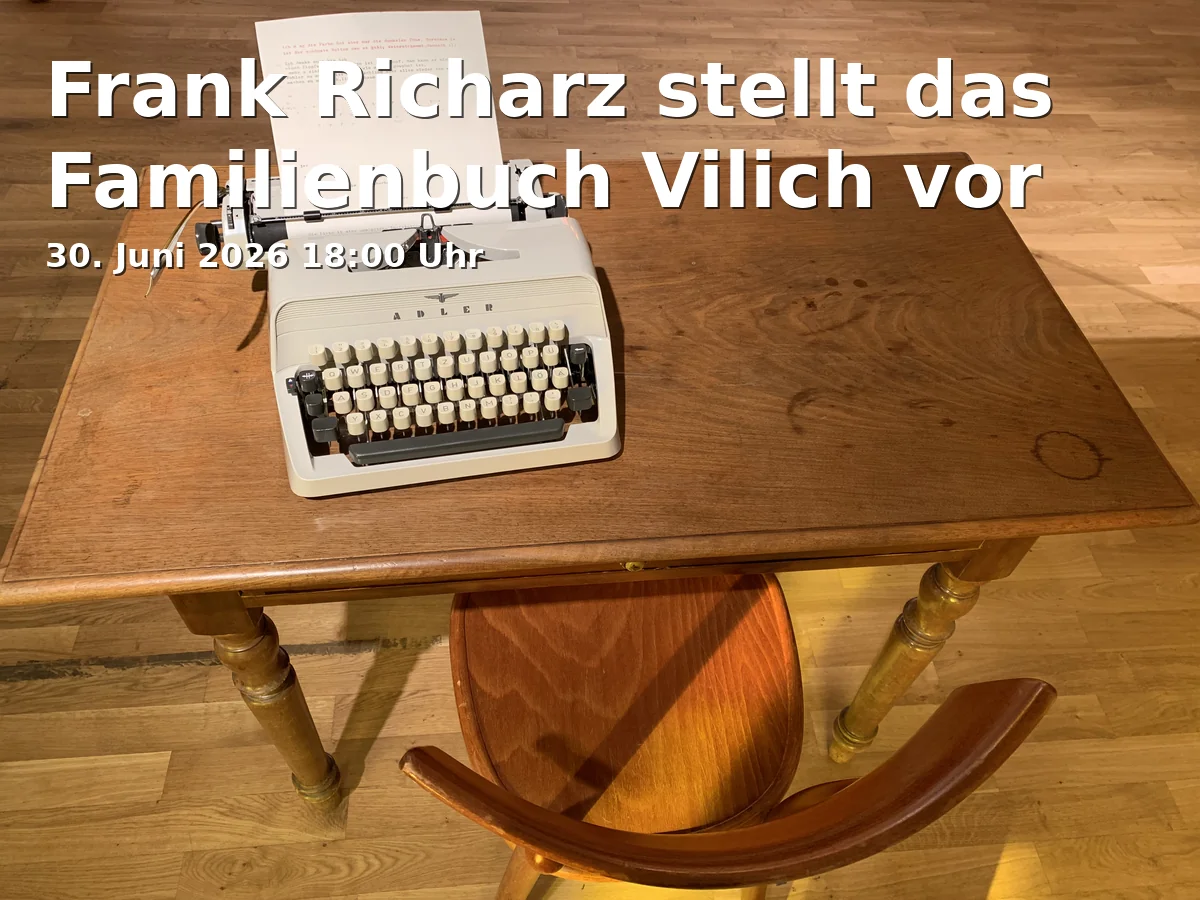
Frank Richarz presents the Vilich Family Book
An evening full of origins, history, and subtle tension: Frank Richarz presents the Family Book Vilich at Burg Lede. 30.06.2026, 6 PM, free admission. #Bonn #Vilich
Summer Cinema Burg Lede
Movie night with summer flair at Burg Lede in Bonn-Vilich: historical surroundings, relaxed atmosphere, 04.07.2026, 8 Euros. Experience the cultural evening now. #Bonn #SummerCinema
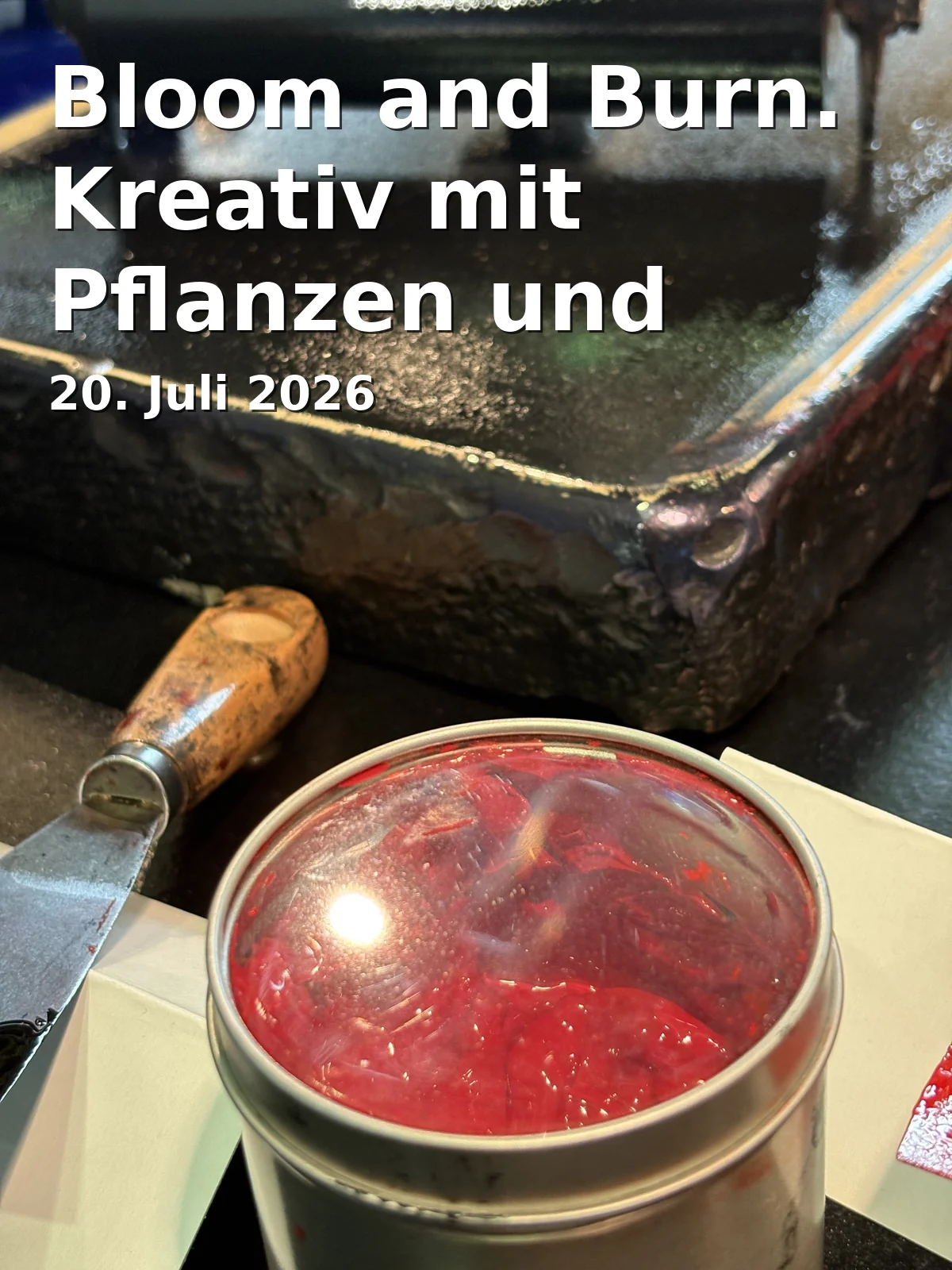
Bloom and Burn. Creative with Plants and Ceramics in the Garden of Burg Lede
Creative, calm, and full of imagination: Bloom and Burn brings plants and ceramics to Burg Lede. Free in the Kulturrucksack. Discover now! #Bonn #Kulturrucksack
Summer Vacation Program in the Garden of Burg Lede
A free holiday experience for families in Bonn: Creativity, nature, and castle flair in the garden of Burg Lede. Perfect for curious children! #FamilyTime
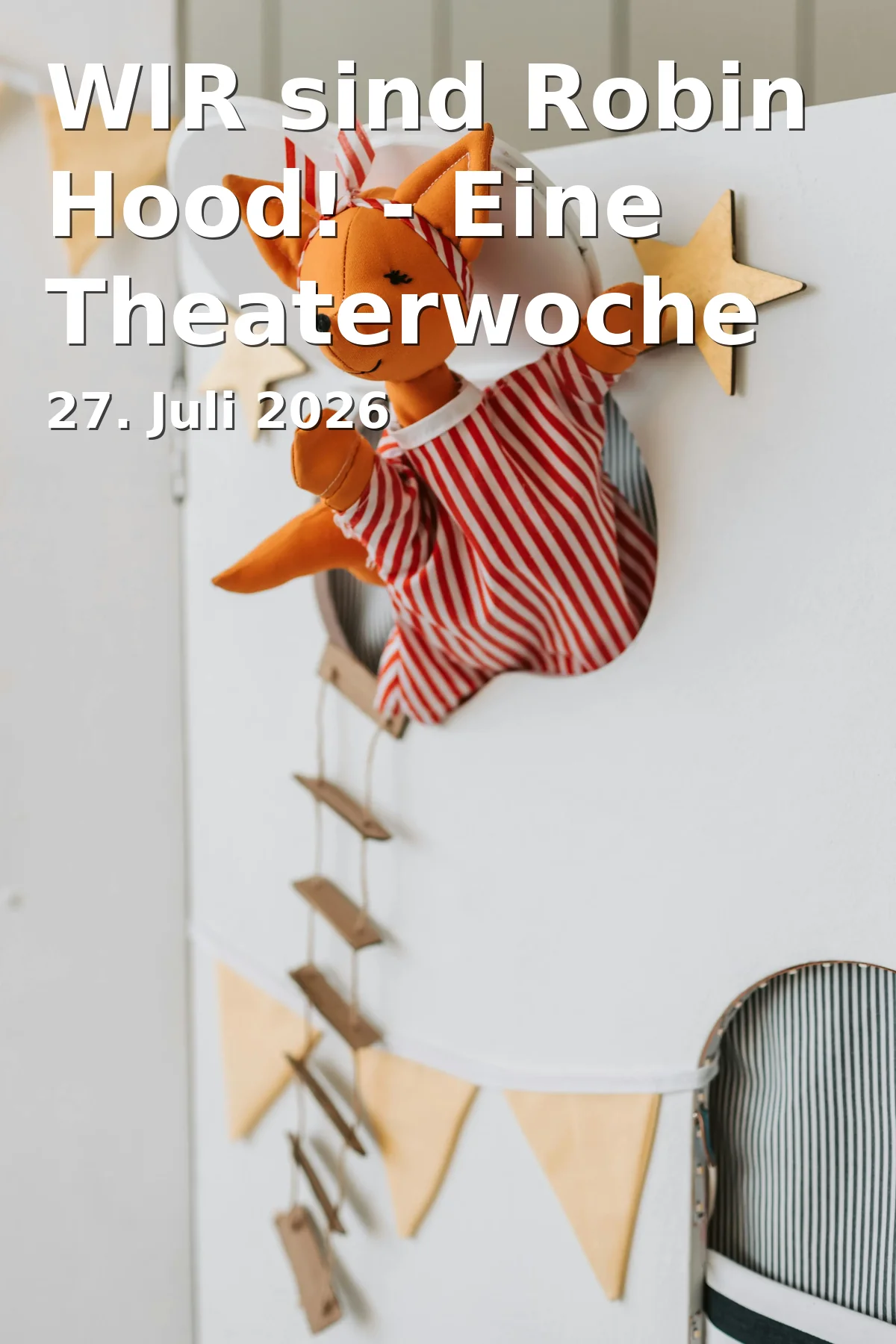
WE are Robin Hood! - A Theater Week in the Lede Forest
Robin Hood, stage, and Lede Castle: In Bonn, a summer full of imagination, courage, and community is emerging. 27.07.2026, free admission. Save the date! #Theater
Frequently Asked Questions
Reviews
Mary Pollington
20. June 2025
Traveled out from Bonn as it was posted as "open." Very attractive--from the outside. Disappointingly it's a private property and is only open for certain events. I suggest you call and check before trying to visit.
Aschalk Fikre
10. May 2024
I was born and raised in the city of Ejere, and I have been serving as a deacon in Carqoosii Church for many years.
Martin Winkler
13. October 2024
Pleasant atmosphere. There are several public events per year, e.g. a medieval market outside in the lovely garden. We visit the place at least once a year. You can also book the Burg for events, for example weddings. The new owner is a great host.
Bart Komorowski
17. January 2017
Nice budget place for events, but needs better service and attention to detail.
Jos Bonnie
25. October 2024
We visited on a rainy day, outside opening hours due to our schedule. Because Burg Lede is on private property, we were only able to see glimpses of it.