Klimt – AI – Art at the German Museum Bonn: Experience Reconstruction in Color
Date and Time
Artist
Location
Price
About this Event
Mood
Venue Type
Klimt – AI – Art: How Artificial Intelligence Makes Lost Colors Visible
The German Museum Bonn opens the AI:Cabinet with a pointed cabinet exhibition presenting a novel art experience: Klimt – AI – Art. The presentation impressively demonstrates how art history, curatorial research, and machine learning interact to reconstruct the lost faculty paintings of Gustav Klimt in their presumed colors. The evening promises a dense exhibition atmosphere that combines aesthetic experience and scientific curiosity.
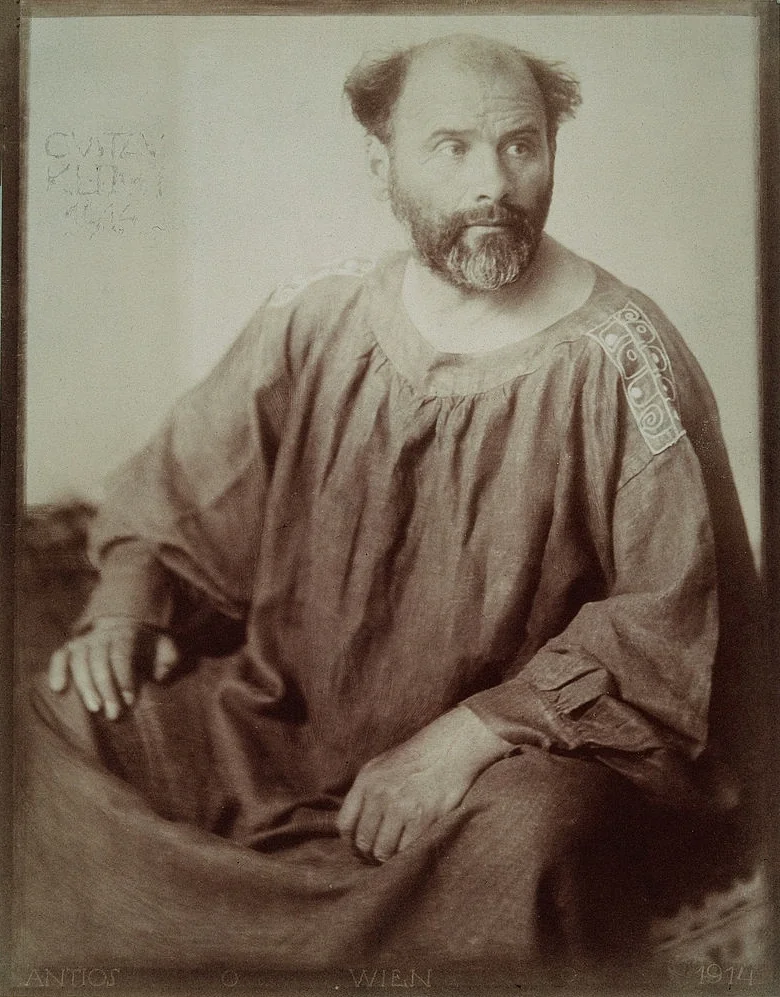
Gustav Klimt in Focus: Symbolism, Viennese Modernism, Golden Phase
From an art historical perspective, the exhibition positions Klimt as a radical renewer of Viennese modernism. Between 1900 and 1907, he developed the monumental faculty paintings Philosophy, Medicine, and Jurisprudence in painting and allegory. The examination of the works focuses on form organization, light guidance, skin tones, and spatial effects, which could only be guessed at in historical black-and-white photographs and are now made colorfully tangible again – supported by AI and curatorial expertise.
Reconstruction as Research: When Curating Meets Machine Learning
The reconstruction process follows a curated workflow: training datasets from Klimt's colorful paintings, contemporary descriptions, and art historical comparative works calibrate a special model of machine learning. The art understanding remains crucial: expert judgments drive corrections so that color, materiality, and allegorics appear in a museum quality standard. Thus, an interdisciplinary teaching piece emerges on how digital methods can be responsibly applied in art history.
Four Rooms, One Narrative: The AI:Cabinet as an Experience Space
Atmospherically designed rooms guide through context, method, result, and reflection. Visitors experience light-accentuated displays, clear didactic wall texts, media installations, and illustrative visualizations. The spatial dramaturgy directs attention from symbolism and groups of figures to the tactile quality of gold and color layers – an examination of the works that equally activates seeing, thinking, and feeling.
Cultural Education: Understandable, Interactive, Inclusive
The exhibition dispenses with prior knowledge and opens access through clear communication, interactive stations, and illustrative examples. Terms such as allegory, iconography, composition, and chromatics are contextualized. Thus, a comprehensible bridge between the epoch, art movement, and current research practice emerges – ideal for a wide audience, school classes, and art-affine visitors.
Ethics and Authenticity: What Can AI – and What Cannot?
The presentation encourages critical reflection: AI delivers probabilities, not certainties. Curating and authorship remain transparent. The exhibition makes visible where data ends and art historical argumentation begins – a gain in trustworthiness and a model case of museum responsibility.
Conclusion
For those who want to experience art as a living process of discovery, this offers a rare interplay of research, exhibition practice, and sensual perception. Klimt – AI – Art promises a dense aesthetic experience, opens new perspectives on Viennese modernism, and shows how museums share knowledge today. Absolutely worth discovering on-site – for sustainable inspiration and conversation far beyond the exhibition visit.
Official Channels of the German Museum Bonn:
- Instagram: https://www.instagram.com/deutschesmuseumbonn/
- Facebook: https://www.facebook.com/DMBonn/
- YouTube: https://www.youtube.com/user/DeutschesMuseum
- Website: https://www.deutsches-museum.de/bonn
Sources:
- German Museum Bonn – Press Release Klimt – AI – Art (29.01.2026)
- German Museum Bonn – Official Website
- German Museum Bonn – Directions and Map
- Google Arts & Culture – Bringing Klimt Back to Life With Machine Learning
- Wikipedia – Klimt University of Vienna Ceiling Paintings
- The Telephone Book – German Museum Bonn Contact and Social Media