
Fury in the Slaughterhouse
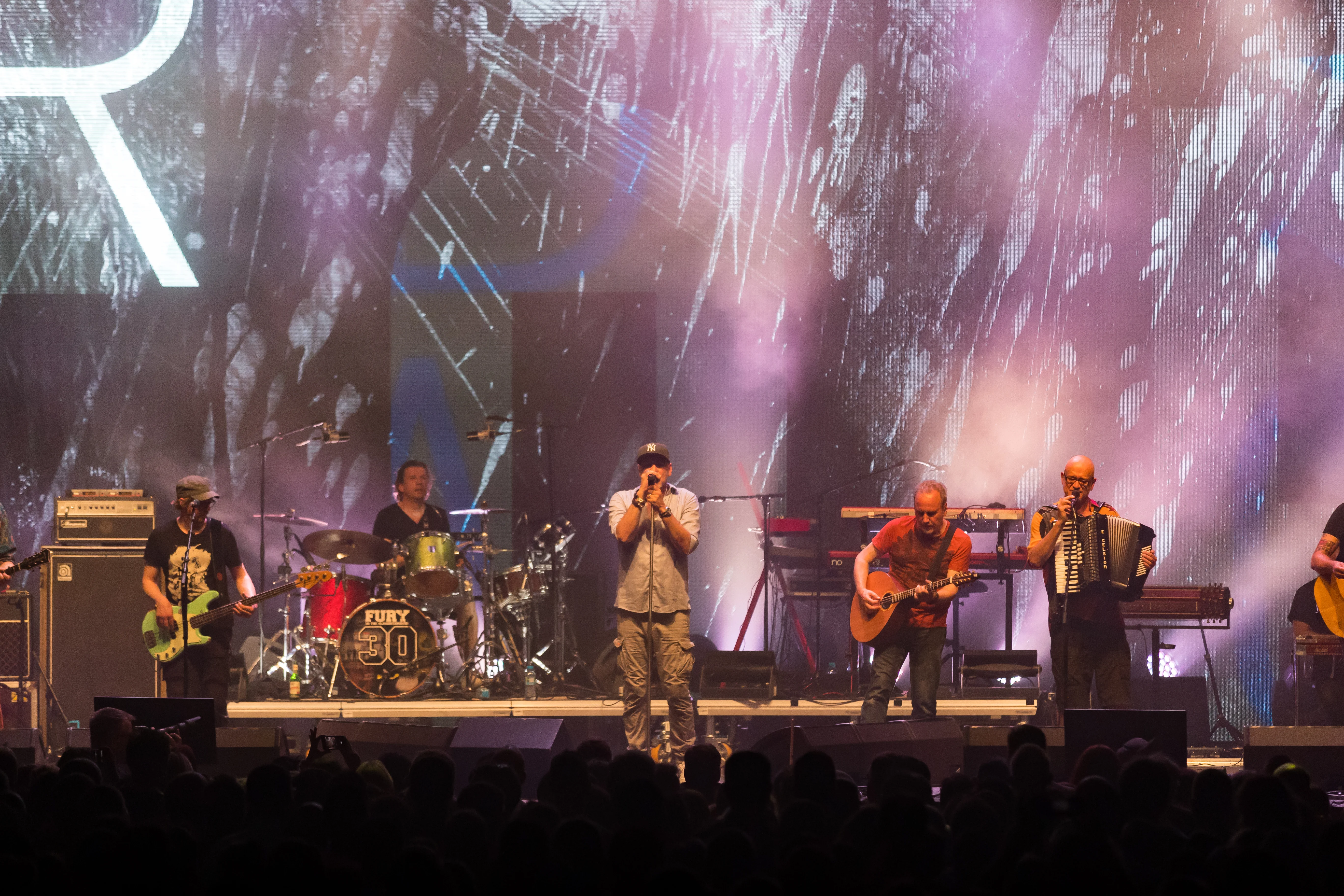
Image from Wikipedia
Image from Wikipedia
Fury in the Slaughterhouse: The Hanoverian Rock Band with International Appeal
Hanover's Great Rock History Between Attitude, Melody, and Endurance
Fury in the Slaughterhouse is one of the defining German rock bands of the late 1980s and 1990s. Since their founding in Hanover, the band has built a music career that extends far beyond regional significance, characterized by English-language songs, a striking stage presence, and a rare blend of mainstream rock with a distinctive character. The group embodies an artistic evolution marked not only by successes but also by breaks, comebacks, and renewed relevance. ([en.wikipedia.org](https://en.wikipedia.org/wiki/Fury_in_the_Slaughterhouse))
The Beginnings: Formation, Name, and Early Identity
In the spring of 1987, Kai and Thorsten Wingenfelder, together with Rainer Schumann, Christof Stein-Schneider, and Hannes Schäfer, founded the band Fury in the Slaughterhouse in Hanover; keyboardist Gero Drnek joined in 1989. The band name quickly became a trademark, even though its origin is explained differently in various sources. Musically, Fury consciously opted against the German-language NDW context, instead choosing English lyrics and a rock-oriented sound that aimed for larger stages from the outset. ([en.wikipedia.org](https://en.wikipedia.org/wiki/Fury_in_the_Slaughterhouse))
By 1988, the band was playing sold-out concerts, and their first albums made it into the German album charts. This early resonance demonstrates how quickly Fury in the Slaughterhouse found their audience: not as a fleeting scene phenomenon but as a band with a clear compositional signature, melodic appeal, and an increasingly evident live authority. Their path into rock mainstream began surprisingly early, laying the groundwork for later international steps. ([en.wikipedia.org](https://en.wikipedia.org/wiki/Fury_in_the_Slaughterhouse))
The Breakthrough: From Germany to Europe and the USA
The real breakthrough came in 1993 with the album Mono and the singles “Radio Orchid” and “Every Generation Got Its Own Disease.” In this context, the band also opened up to the international market, touring in Europe and Anglo-American regions, and signing with RCA USA. Fury in the Slaughterhouse thus evolved from a successful German rock band into an act with international recognition and solid relevance beyond borders. ([en.wikipedia.org](https://en.wikipedia.org/wiki/Fury_in_the_Slaughterhouse))
Mono marked the moment when the interplay of arrangement, hooklines, and confident production became particularly evident. The band found a form of alternative pop rock that was both stadium-ready and radio-friendly without losing their identity. Later albums like Brilliant Thieves achieved high chart positions; in German reception, the band was increasingly seen as a reliable presence in the field of German rock music with English lyrics. ([de.wikipedia.org](https://de.wikipedia.org/wiki/Fury_in_the_Slaughterhouse))
Discography: Multifaceted, Extensive, and Chart-Strong
The band's discography is impressive: 14 studio albums, 6 live albums, 1 compilation, 1 EP, 44 singles, 6 video albums, 40 music videos, and 4 box sets document an extraordinarily productive music career. According to discography overview, Fury in the Slaughterhouse has sold over four million sound recordings. These figures not only indicate commercial success but also a long-term bond between the band and its audience over several decades. ([de.wikipedia.org](https://de.wikipedia.org/wiki/Fury_in_the_Slaughterhouse/Diskografie))
Key releases include the debut album from 1988, Mono, Brilliant Thieves, NOW, and HOPE. The official and documented reception shows a band that continually breaks new ground: from early chart ascension through US activities to their later return with fresh material. Notably, Fury in the Slaughterhouse was not perceived as a nostalgia project after the long hiatus but as an active rock band with new repertoire. ([en.wikipedia.org](https://en.wikipedia.org/wiki/Fury_in_the_Slaughterhouse))
The Break in 2008 and the Return with New Energy
In 2008, the band officially bid farewell with a farewell tour through Germany. The last concert in Hanover was documented and released as Farewell & Goodbye, marking the end of an initial, hugely successful era. The farewell dynamic is as much a part of Fury in the Slaughterhouse's history as their later resurgence: a first reunion took place in Hanover in 2013, followed by a bigger comeback in 2017 with three concerts at the TUI Arena and new music. ([en.wikipedia.org](https://en.wikipedia.org/wiki/Fury_in_the_Slaughterhouse))
With the song “30 (It’s not easy)” and the best-of release 30 - The Ultimate Best Of, the band demonstrated that maintaining their repertoire and being artistically present need not be contradictory. By the time of NOW in 2021, it was clear that Fury in the Slaughterhouse was again working in the here and now. The band transformed their history into energy rather than merely managing it. ([en.wikipedia.org](https://en.wikipedia.org/wiki/Fury_in_the_Slaughterhouse))
Musical Style: Rock with Melody, Drive, and English Language
Fury in the Slaughterhouse positioned themselves early on as a mainstream rock band with international aspirations. Their choice to forgo German-language lyrics gave the songs a greater openness, making the sound more accessible to a broader, including international audience. At the center are compact compositions, clear choruses, guitar-driven arrangements, and a production that balances melancholy and breakthrough. ([en.wikipedia.org](https://en.wikipedia.org/wiki/Fury_in_the_Slaughterhouse))
The band developed its own form of northern German rock pop: emotionally accessible, yet never arbitrary; catchy but not slick; close to the audience but with a recognizable profile. Especially in live situations, this music unfolds its full effect, as melody and energy enhance each other. This is a central part of the band's artistic evolution: songs that work in the studio gain additional impact on stage. ([fury.de](https://www.fury.de/fury-redesign/))
Cultural Influence and Significance for the German Rock Scene
Fury in the Slaughterhouse is one of the few German rock bands that have achieved both commercial success and cultural presence over the years. They embody a generation of musicians who developed an international perspective from the German context without denying their origins. Their status as one of the most successful German rock bands is well documented through sales, tour numbers, chart placements, and ongoing recognition in the press and among the audience. ([en.wikipedia.org](https://en.wikipedia.org/wiki/Fury_in_the_Slaughterhouse))
The band's official communication also underscores this role: Fury in the Slaughterhouse today speaks of attitude, energy, and a special connection with the audience across generations. This connection makes the band exciting in the German rock canon: they are not merely a nostalgic memory but a vibrant reference for perseverance, songwriting, and live power. ([fury.de](https://www.fury.de/fury-redesign/))
Current Projects: New Music, New Tour, and New Chapter
Currently, the focus is on the upcoming album Changes, which, according to the official website, is set to be released on June 26, 2026. At the same time, the band continues their stage presence with the tour Fury Live Twenty Six and additional live dates. The current material and concert activities demonstrate a band actively shaping their present and closely intertwining new releases with the live experience. ([fury.de](https://www.fury.de/fury-redesign/))
Additionally, in 2025 and 2026, further releases and performances are expected, including “Sorrowland (Live & Acoustic)” and the W:O:A Holy Night format in Wacken. These projects reflect a band working in various formats: acoustic, live, in album contexts, and in special event settings. This versatility keeps the name Fury in the Slaughterhouse in conversation and strengthens their cultural visibility. ([shazam.com](https://www.shazam.com/song/1852770581/sorrowland-live-acoustic?utm_source=openai))
Fury in the Slaughterhouse remains exciting because they embody a rare combination of experience, authority, and musical immediacy. Their songs have history, their performances carry substance, and their return to the present does not feel like a mere obligation but rather a logical continuation of a remarkable rock career. Those who experience the band live witness not a museum piece but a group that continues to write its own legend with attitude. ([fury.de](https://www.fury.de/fury-redesign/))
Official Channels of Fury in the Slaughterhouse:
- Instagram: https://www.instagram.com/furyintheslaughterhouse/
- Facebook: https://www.facebook.com/furyintheslaughterhouseofficial/
- YouTube: https://www.youtube.com/channel/UCqmz6kray8EZ2VfhVcBO59w
- Spotify: https://open.spotify.com/intl-de/artist/6eswqLpEm9AhDIguGzRswT
- TikTok: https://www.tiktok.com/@furyintheslaughterhouse
Sources:
- Fury in the Slaughterhouse – Official Website
- Fury in the Slaughterhouse – Facebook
- Fury in the Slaughterhouse – YouTube
- Fury in the Slaughterhouse – Spotify
- Furyintheslaughterhouse – Linktree
- Wikipedia: Fury in the Slaughterhouse
- Wikipedia: Fury in the Slaughterhouse/Diskografie
- Eventim Magazine – New Album “Changes”
- Wacken Open Air – W:O:A Holy Night
- Qobuz Magazine – Interview “Hope Changes Everything”
Upcoming Events
Fury in the Slaughterhouse: FURY LIVE TWENTY SIX
Fury Live Twenty Six
Fury in the Slaughterhouse Live
Fury in the Slaughterhouse Concert
Fury in the Slaughterhouse in the Amphitheater
Fury in the Slaughterhouse Concert
Fury in the Slaughterhouse
Fury in the Slaughterhouse - Fury Live Twenty Six
Fury in the Slaughterhouse – Fury Live Twenty Six